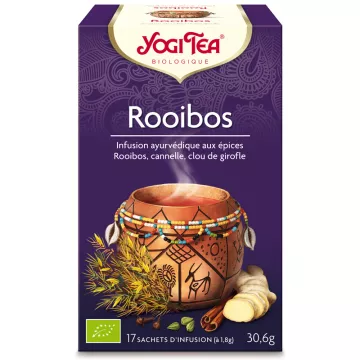
Rooibos (Aspalathus linearis), also known as “red tea,” is a plant native to South Africa whose leaves are used to make an infusion. Its main advantage: it is naturally free of theine (and caffeine), making it a mild hot beverage that’s enjoyable at any time of day—including in the evening—and loved by the whole family. Rich in flavonoids, polyphenols, and antioxidants, as well as some minerals, it is traditionally consumed as a beverage for pleasure and well-being. Its naturally mild and slightly sweet flavor means it can be enjoyed without added sugar, making it an appealing alternative to sugary drinks. Above all, rooibos is a delicious and thirst-quenching antioxidant beverage that fits easily into a balanced and varied diet, offering both enjoyment and daily well-being.
Rooibos offers several appreciated benefits:
These benefits make it a versatile wellness drink, to be enjoyed hot or cold, whether during a relaxing break or as an accompaniment to a meal.
Rooibos can be enjoyed in several ways, depending on your preference:
Unlike tea, rooibos does not become bitter even when steeped for a long time, which makes it easy to prepare. One to several cups a day can easily be incorporated into your daily routine.
Rooibos is traditionally enjoyed as a tea that supports digestive comfort: its mild flavor makes it a pleasant drink after meals, and it is traditionally consumed to help relieve discomfort associated with indigestion or bloating. Since it is caffeine-free, it is suitable for people sensitive to caffeine. When it comes to relaxation, the ritual of enjoying a hot infusion, combined with the absence of caffeine, makes rooibos an ideal evening drink: it can be enjoyed during a moment of relaxation and won’t interfere with sleep, unlike tea or coffee. It should be noted, however, that it is neither a sedative nor a treatment forinsomnia: its benefits stem primarily from its lack of stimulants and the soothing ritual it offers, rather than from any pharmacological effect on sleep. For persistent sleep disorders, seeking medical advice is still recommended.
Rooibos is the subject of research into its antioxidant polyphenols, but it is important to remain cautious about health claims. It is sometimes said to affect blood sugar, blood pressure, cholesterol, or inflammation; however, these findings are still in the preliminary stages of research and do not support claims of a therapeutic effect. Rooibos is not a treatment for diabetes, nor does it regulate blood pressure or cholesterol, nor is it an anti-inflammatory: these conditions (diabetes, high blood pressure, osteoarthritis) require medical monitoring and treatment that no herbal tea can replace. What is established is that rooibos is an antioxidant beverage, free of sugar and caffeine, that can be a beneficial substitute for sugary drinks as part of a balanced diet. It is in this capacity—as part of an overall healthy lifestyle—that it contributes to well-being—and not as a targeted remedy for a specific medical condition.
In cosmetics, rooibos is incorporated into soothing skincare products for its antioxidants, which help protect the skin from oxidative stress caused by external aggressors (a factor in skin aging). When applied as a lotion or mask, it is traditionally used to soothe sensitive skin or skin prone to redness. However, it’s important to exercise caution: while rooibos can support skin comfort and provide antioxidants, it does not “treat” skin conditions.Acne, eczema, or severe irritation are dermatological issues that require medical advice and appropriate treatment—neither of which can be replaced by any rooibos tea or cosmetic product. In cosmetic use, rooibos is therefore an interesting antioxidant and soothing ingredient, best considered as a way to support skin comfort as part of a daily routine—not as a solution to a specific skin problem requiring treatment.
Rooibos is a very well-tolerated beverage that can be consumed by most people, including children. For pregnant or breastfeeding women, as with any herbal remedy, it is prudent to seek medical advice if in doubt. The main concern relates to very excessive consumption (several liters per day), which could reduce iron absorption in people prone to anemia: it is therefore best to avoid drinking large quantities with meals to ensure proper mineral absorption. For quality, choose organic rooibos that is grown without pesticides, is not artificially flavored (to enjoy its natural flavor and active compounds), and is rich in polyphenols. Available at pharmacies, organic stores, and specialty shops—in bulk or in tea bags, as extracts, or in cosmetics. High-quality rooibos, simply enjoyed as part of your daily routine, is an excellent beverage that promotes both pleasure and well-being—to be incorporated in moderation into a balanced lifestyle.