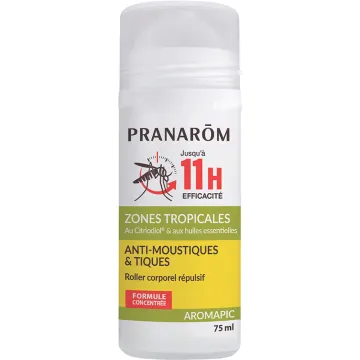
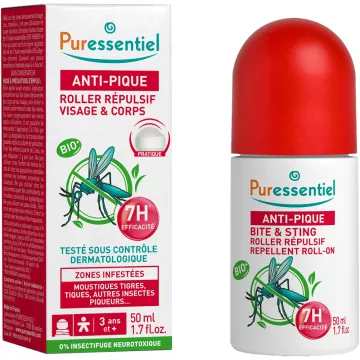
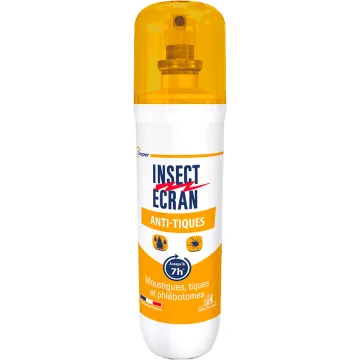
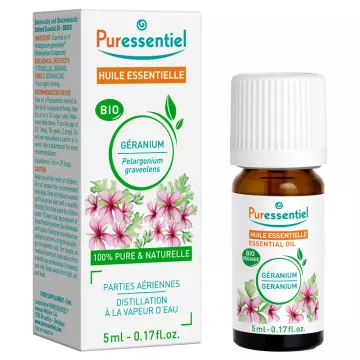
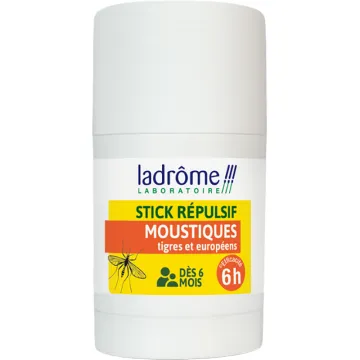
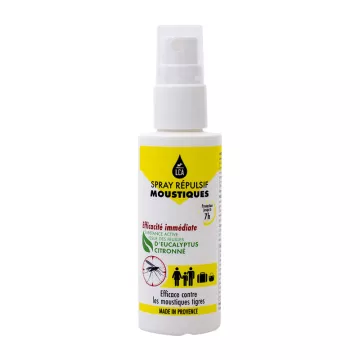
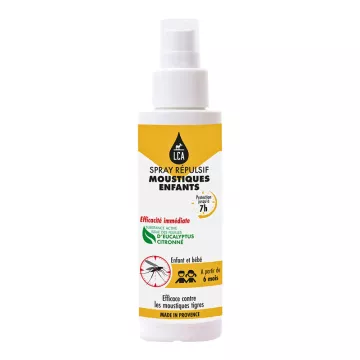
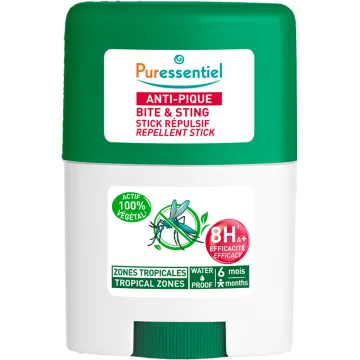
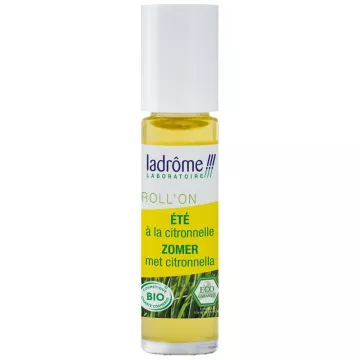
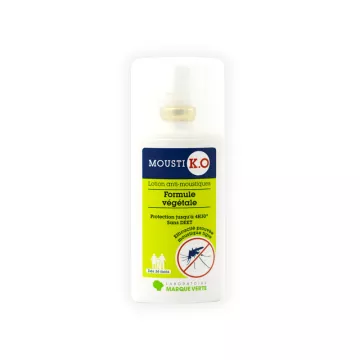
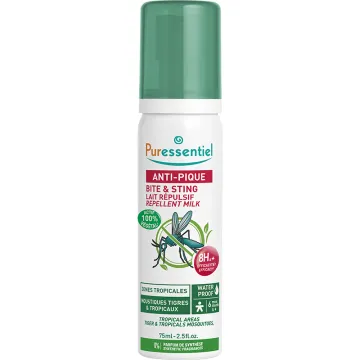
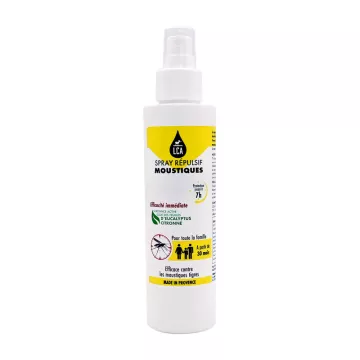
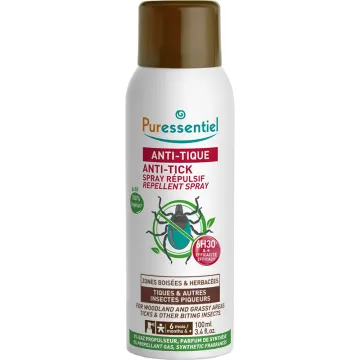
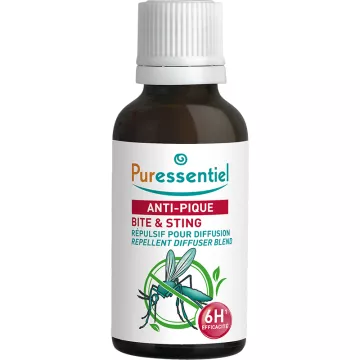
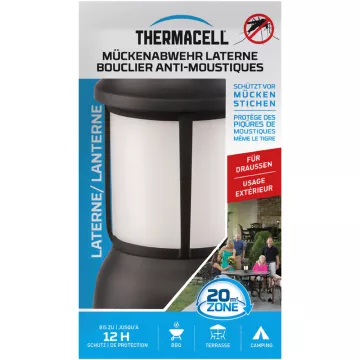
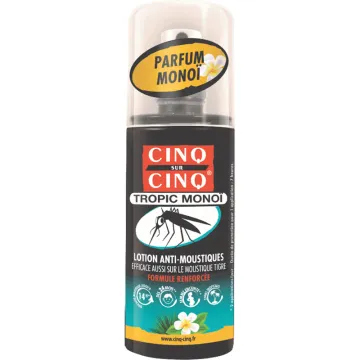
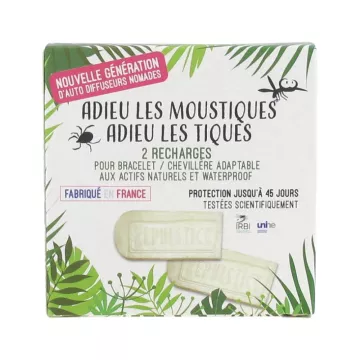
Natural repellents made with essential oils offer a gentle alternative to chemical repellents for keeping biting insects away. Their effectiveness has been documented for certain active ingredients, provided the formulations are certified and applied correctly. Check out our selection ofessential oils that act as repellents.
What is a natural repellent?
A natural repellent is a product formulated fromplant-based active ingredients —essential oils, plant extracts, vegetable oils—whose scent or biochemical compounds repel insects. Unlike synthetic chemical repellents (DEET, icaridin), their duration of action is shorter and their range of protection is more limited. Their advantage: they are often better tolerated by the skin and can be used by certain sensitive individuals with precautions.
Which essential oils should you choose as repellents?
Not all essential oils are equallyeffective against insects, based ondocumented evidence.
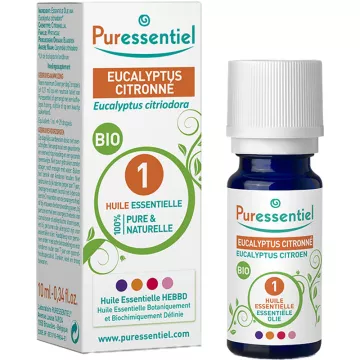
- Lemon eucalyptus (Corymbia citriodora): the only essential oil recognized by the WHO as a mosquito repellent, with short-term effectiveness comparable to that of icaridin
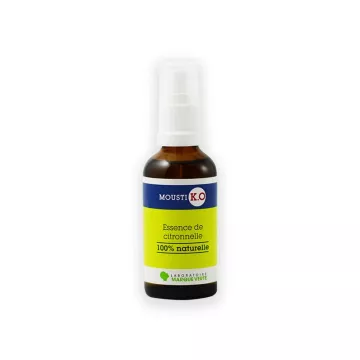
- Javacitronella: a classic repellent, effective when diffused or applied to the skin in diluted form
- Rose geranium: repels mosquitoes and certain biting insects; well-tolerated by the skin
- True lavender: a mild repellent against mosquitoes and moths, suitable for diffusion and use on textiles
- Peppermint: repels ants, spiders, and certain crawling insects
Natural Repellents: Under What Conditions Are They Effective?
Natural repellents work best in situations of moderate exposure.
- Temperate zones with low mosquito density: satisfactory effectiveness for daily use
- Duration of effectiveness: 1 to 2 hours depending on the active ingredient; reapply after sweating or swimming
- Insufficient for high-risk tropical areas (malaria, dengue, Zika): use approved repellents (DEET or icaridin) instead
- Humid conditions and heavy sweating significantly reduce the duration of effectiveness
How to make a natural homemade repellent?
A simple DIY formula is possible with the proper precautions.
- Base: 10 to 15 drops of repellent essential oil (lemon eucalyptus, citronella) + 50 ml of 70° alcohol + 50 ml of distilled water
- Shake well before each use—essential oils are not soluble in water
- A patch test is required on the inner elbow 24 hours before full-body application
- Never exceed a total essential oil concentration of 3% on adult skin; 1% maximum for children
- Not recommended for pregnant women or children under 3 years of age without medical advice
What are the risks associated with natural repellents?
Natural does not mean risk-free: certain essential oils can cause adverse reactions.
- Allergic reactions or skin irritation: always test before full use
- Photosensitization: Some essential oils (citrus, bergamot) are phototoxic—do not expose treated skin to the sun
- Toxicity to cats: Peppermint, eucalyptus, and lemongrass essential oils are not recommended around cats
- Interactions: Consult a doctor if you’re currently undergoing treatment—some essential oils can interact with medications
How should you store your natural repellents?
Proper storage is key to maintaining the effectiveness of essential oil-based formulations.
- Store in a dark glass bottle, away from light and heat
- Avoid extreme temperature fluctuations—essential oils oxidize and lose their potency
- Shelf life of pure essential oils: 1 to 2 years. Prepared formulations: 6 to 12 months after opening
- Follow the expiration dates listed on the packaging of certified products