Relaxation refers to the state of physical and mental relaxation that occurs when the autonomic nervous system shifts from the sympathetic mode (stress, alertness) to the parasympathetic mode (recovery, rest). This shift leads to measurable physiological effects: a decrease in heart rate and blood pressure, a reduction in circulating cortisol, muscle relaxation, slower breathing, and improved digestion. Cardiac coherence (5 breaths/min, 5 minutes, 3 times/day) is the most well-documented technique for inducing this state quickly and consistently. Regular relaxation strengthens vagal tone—the vagus nerve’s ability to activate the parasympathetic mode—and improves stress management over the long term. Quality sleep is both a consequence and a prerequisite for relaxation
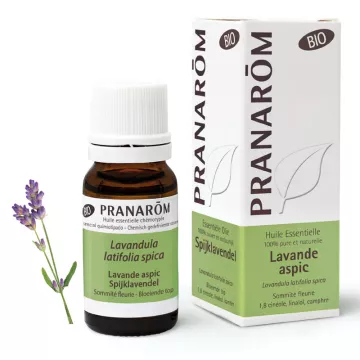
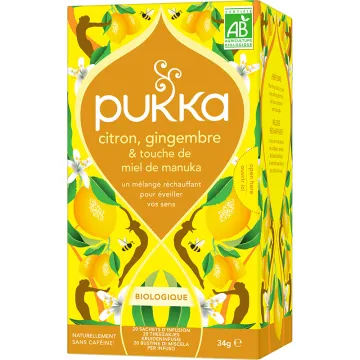
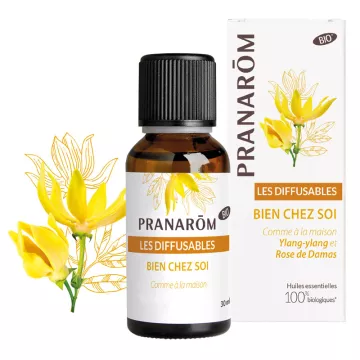
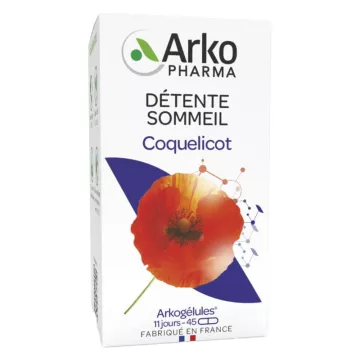
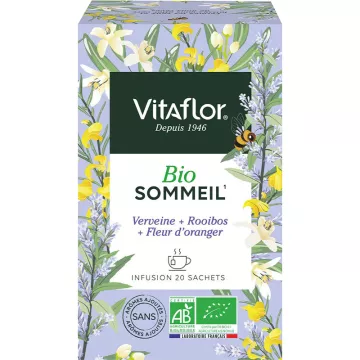
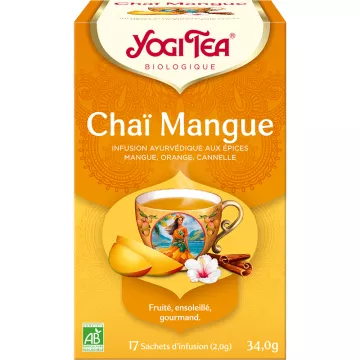
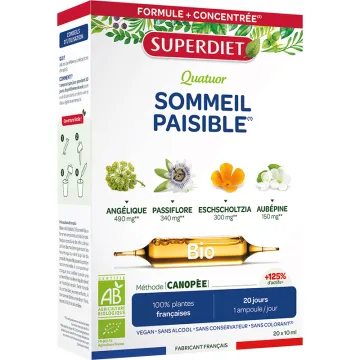
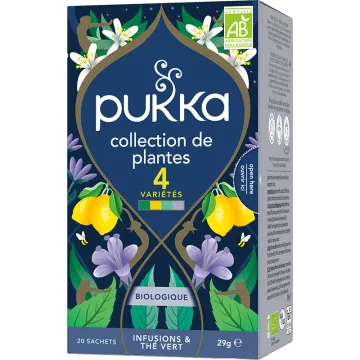
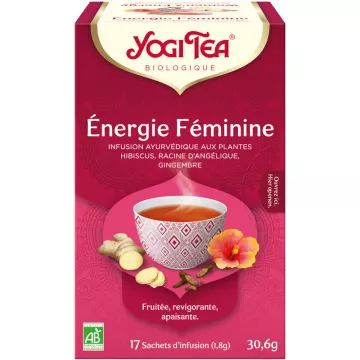
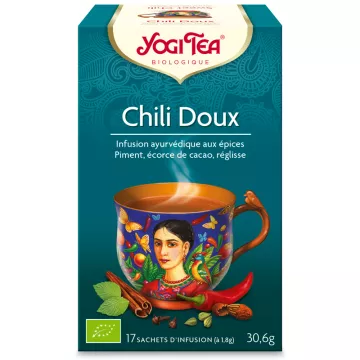
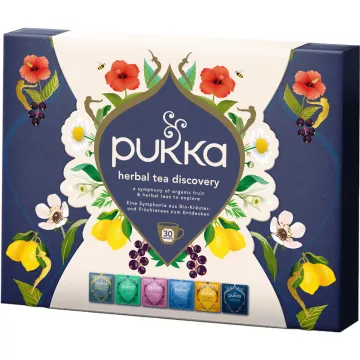
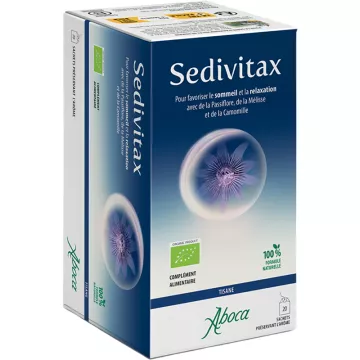
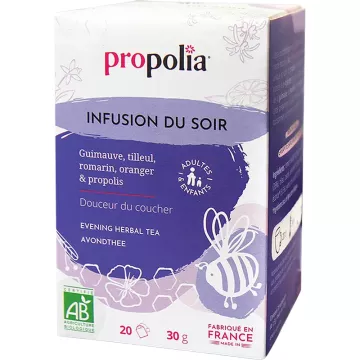
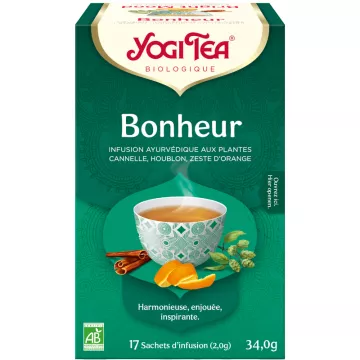
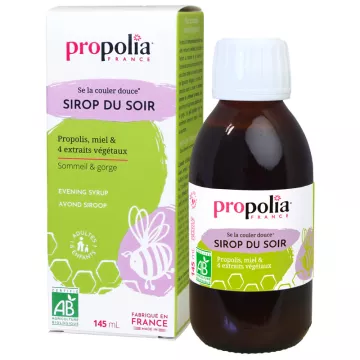
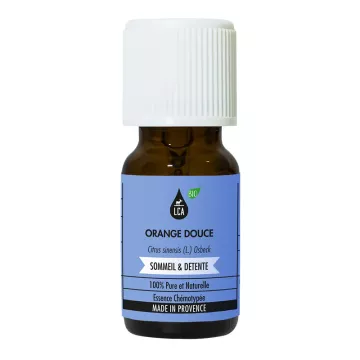
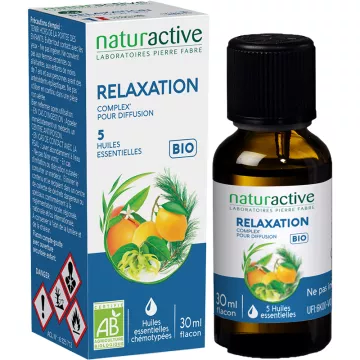
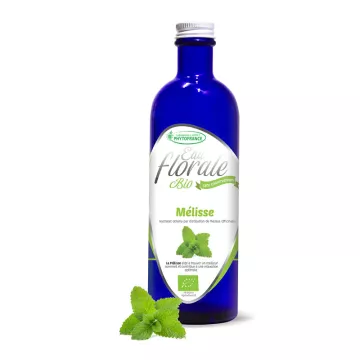
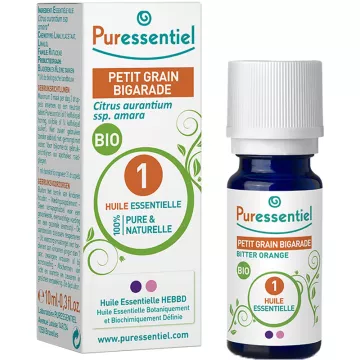
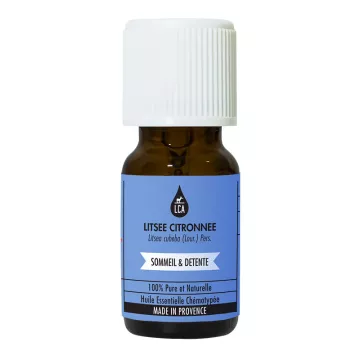
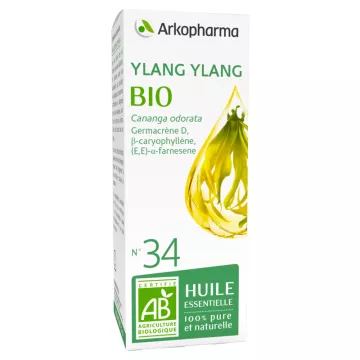
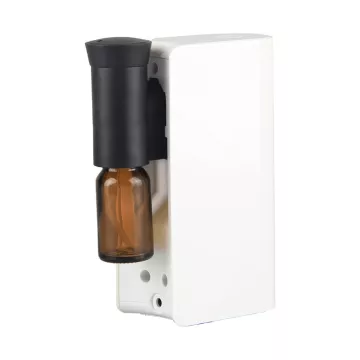
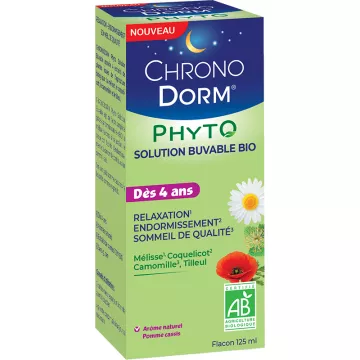
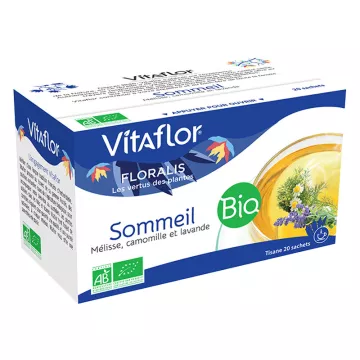
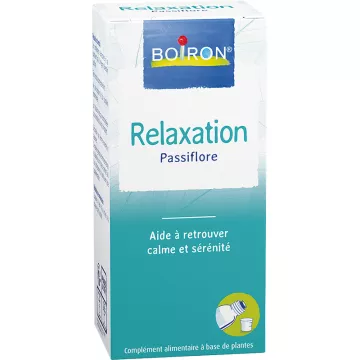
Herbal medicine and aromatherapy offer numerous relaxation-promoting agents with documented efficacy. Among mild sedative and anxiolytic herbs, passionflower (EMA: well-established use—anxiolysis and mild sedation without dependence), poppy (calming rhoeadines—well tolerated in children over 6 years of age), valerian (valerian —EMA well-established use—soothes nervous agitation and promotes sleep), and lemon balm (anxiolytic and antispasmodic). Herbal teas made from verbena, linden, chamomile, or passionflower provide a simple and effective relaxation ritual. In aromatherapy,true lavender essential oil (linalool and linalyl acetate—anxiolytic and mild sedative—diffused into the air, added to baths, or used in diluted massage) is the gold standard. Bitter orange (linalool—a neurotropic anxiolytic), ylang-ylang (hypotensive and sedative), and lemon litsea (calming and antispasmodic) round out the aromatic arsenal. A nebulizing or ultrasonic essential oil diffuser allows for gentle diffusion into the living space or bedroom.
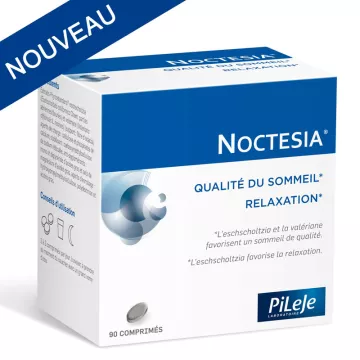
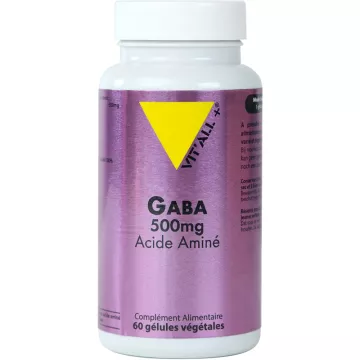
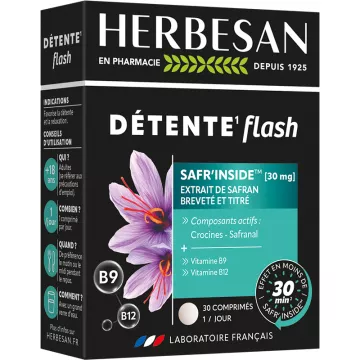
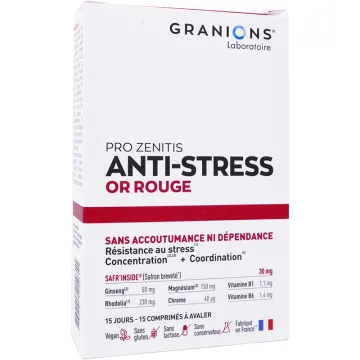
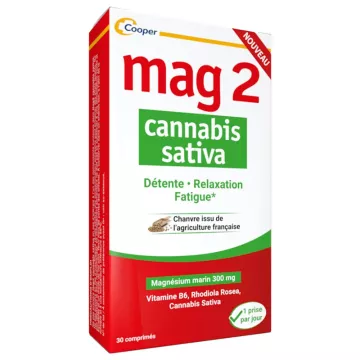
Magnesium bisglycinate (300 mg/day) is the key micronutrient for muscle and nervous system relaxation—a deficiency, common in cases of chronic stress, contributes to neuromuscular hyperexcitability, cramps, irritability, and sleep disturbances. GABA (gamma-aminobutyric acid—the central nervous system’s primary inhibitory neurotransmitter) is available as a supplement and helps promote a state of calm without excessive sedation. Saffron (standardized safranal and crocin) has a documented effect on mood and the management of emotional stress. Ashwagandha (Withania somnifera—an adaptogen—standardized withanolides) reduces chronic cortisol levels and improves stress resilience—contraindicated during pregnancy, in autoimmune diseases, and in hyperthyroidism. These supplements support relaxation practices—cardiac coherence, yoga, tai chi, and meditation remain the most effective behavioral tools in the long term. In cases of severe anxiety or persistent sleep disorders, consult a doctor.