What is hyperhidrosis, and how can it be distinguished from normal sweating?
Hyperhidrosis is pathological sweating that far exceeds the body’s thermoregulatory needs—it occurs in the absence of heat or physical exertion, sometimes at rest and even during sleep. Arnaud, Ph.D. in Pharmacy, points out that the distinction from normal heavy sweating is clinical: it is the impact on daily and social life that defines the condition, not simply the volume of sweat.
- Primary (essential) hyperhidrosis: no identifiable cause—often begins in adolescence—bilateral and symmetrical—affected areas: underarms, palms, soles of the feet, face
- Secondary hyperhidrosis: a consequence of an underlying medical condition (thyroid dysfunction, diabetes, infection, lymphoma) or medication (SSRIs, antipyretics)—generalized, often nocturnal—requires a medical evaluation to identify the cause
- Isolated night sweats in perimenopausal women: related to estrogen fluctuations—distinguishable from primary hyperhidrosis
- In cases of excessive sweating accompanied by unexplained weight loss, fever, or palpitations: consult a doctor promptly to rule out a systemic cause
What are the treatment options for hyperhidrosis based on severity?
The management of hyperhidrosis is a stepwise process—ranging from over-the-counter first-line solutions to specialized medical treatments, depending on the intensity and location. The HAS and the French Society of Dermatology (SFD) recommend a stepwise approach.
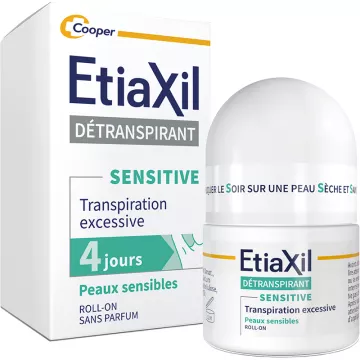
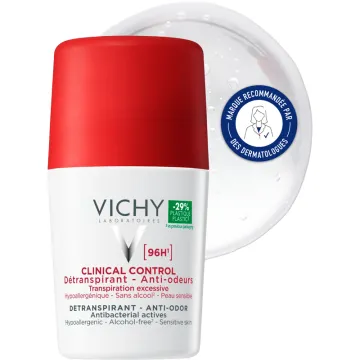
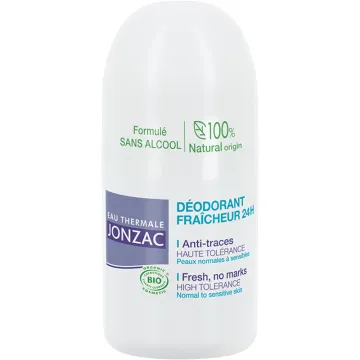
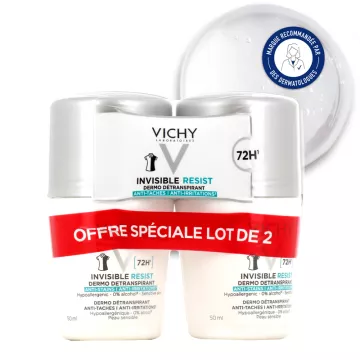
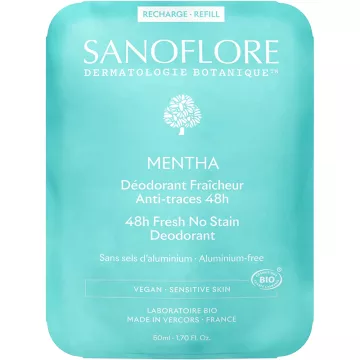
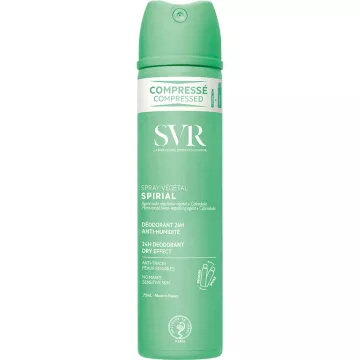
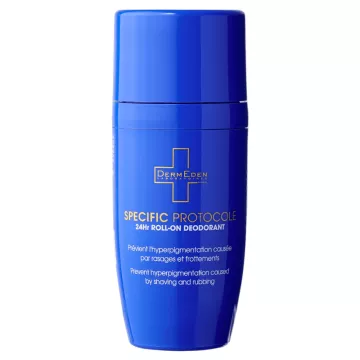
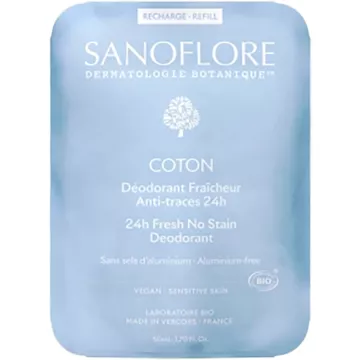
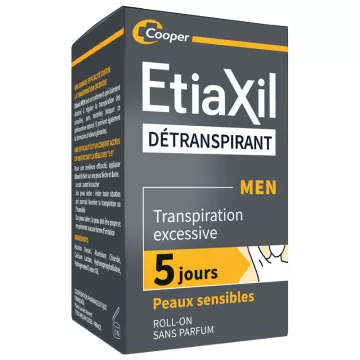
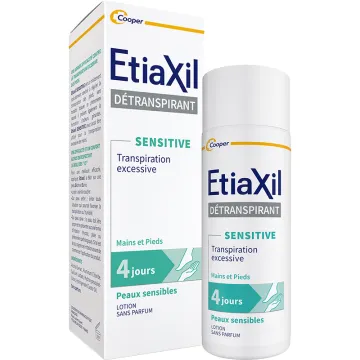
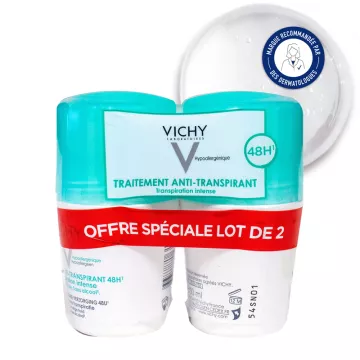
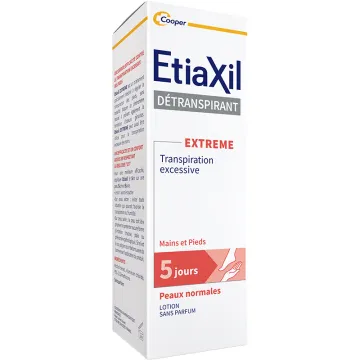
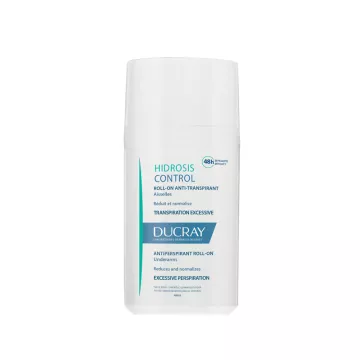
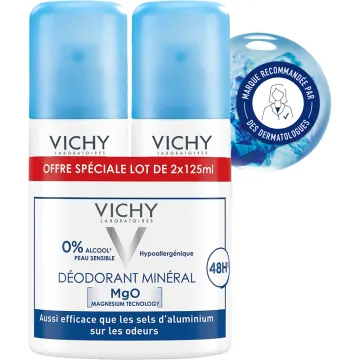
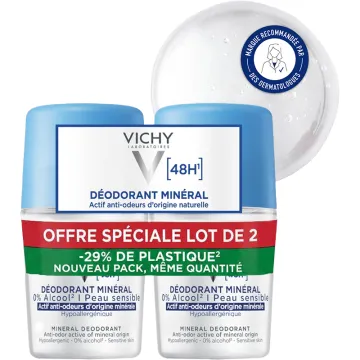
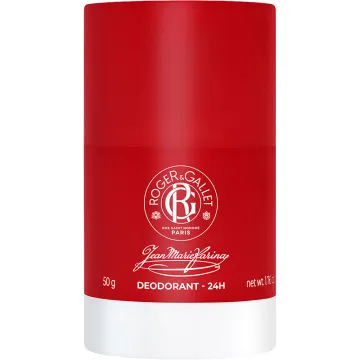
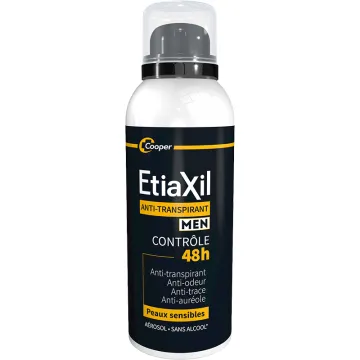
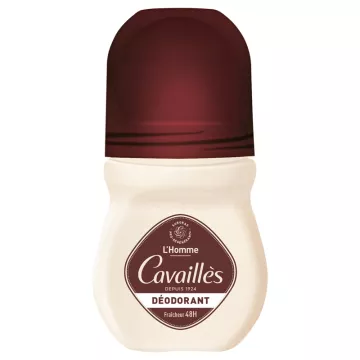
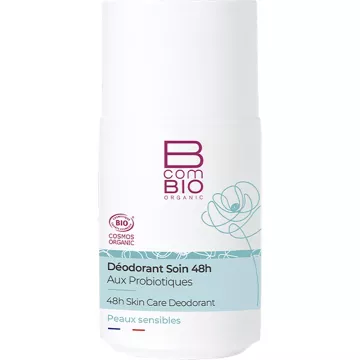
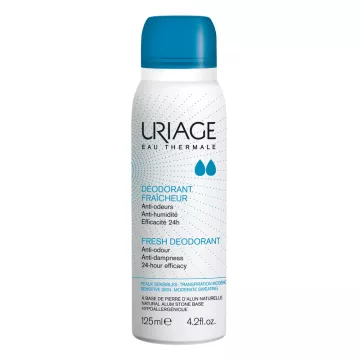
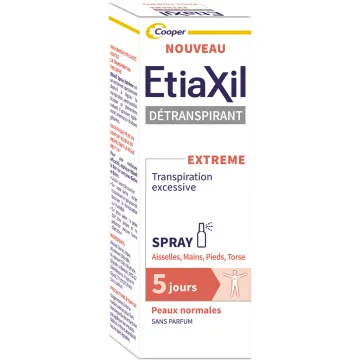
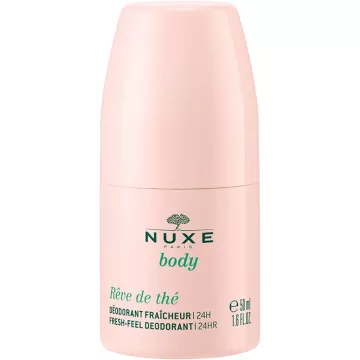
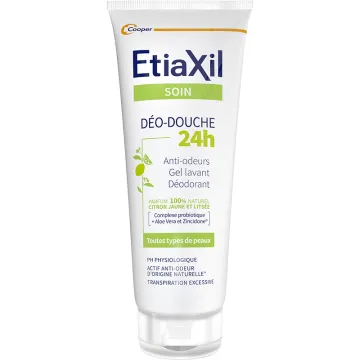
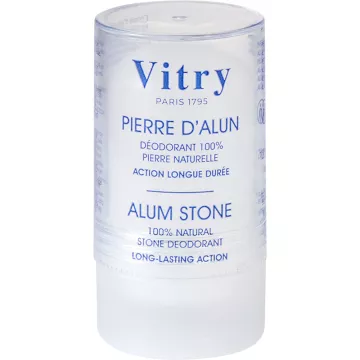
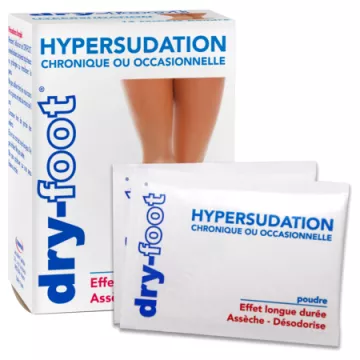
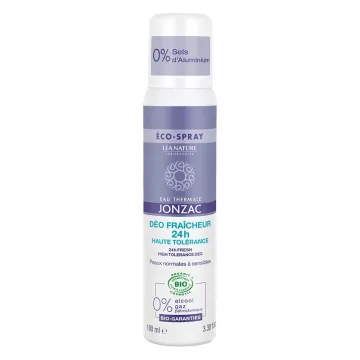
- First-line treatment—high-concentration antiperspirants: 15–20% aluminum chlorohydrate in an alcoholic solution—to be applied in the evening to completely dry skin—effective in 50 to 80% of cases of mild to moderate axillary hyperhidrosis—irritating if applied to damp or recently shaved skin — see our line of deodorants
- Iontophoresis: a low-voltage electrical current that reduces the activity of eccrine glands — effective for the hands and feet — available in devices for home use (partial reimbursement may be available)
- Botulinum toxin (Botox): a subcutaneous injection that temporarily blocks nerve signals to the sweat glands — effects last 4 to 12 months, depending on the individual — the standard of care for axillary hyperhidrosis (reimbursed under certain conditions by health insurance)
- Systemic medications (anticholinergics): oxybutynin, glycopyrronium — prescribed by a dermatologist — side effects (dry mouth, constipation) limit their use
- Surgery (thoracic sympathectomy): reserved for severe, treatment-resistant cases—risk of compensatory sweating in other areas—requires a decision by a specialist
What natural approaches can complement treatment?
In addition to medical care, certain herbs and natural approaches provide documented support for mild forms of hyperhidrosis or to improve daily comfort, as Arnaud, a pharmacist, explains.
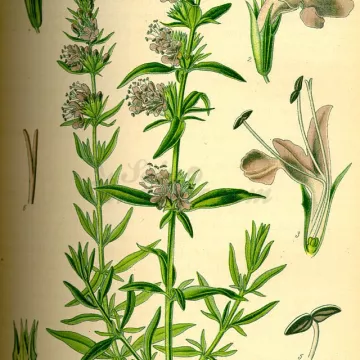
- Common sage: The EMA recognizes its traditional use for mild excessive sweating—herbal tea (2–3 g of dried leaves, 2 cups per day) or dry extract—do not use in pregnant or breastfeeding women (thujone)
- Witch hazel for topical application: acts as an astringent due to its tannins—reduces surface moisture—apply an aqueous solution to sensitive areas
- Stress management: Stress exacerbates primary hyperhidrosis by stimulating the sympathetic nervous system—cardiac coherence, meditation, and regular physical activity reduce the frequency of episodes
- Diet: Reduce caffeine, alcohol, and spicy foods—documented triggers—has no effect on severe primary hyperhidrosis but is helpful in moderate cases
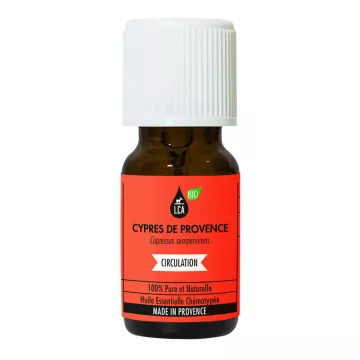
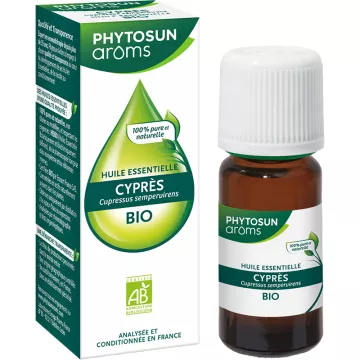
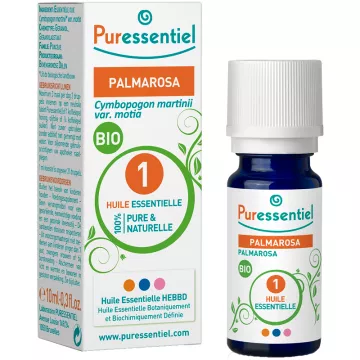
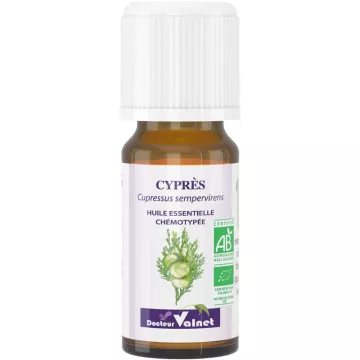
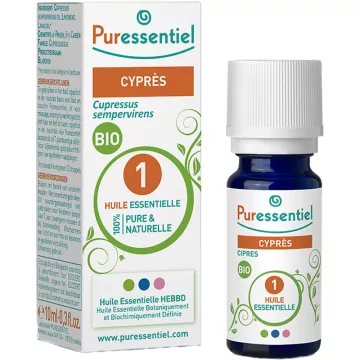
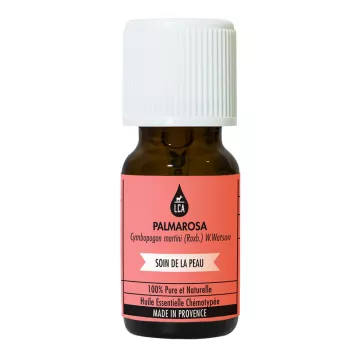
- Essential oils for sweating: cypress, palmarosa—use diluted topically—never apply undiluted to the underarms
Which specialist should you see, and when?
Hyperhidrosis is too often downplayed by patients who adapt to it rather than seeking medical advice—which delays effective and appropriate treatment. Odors associated with excessive sweating also amplify the psychosocial impact.
- Primary care physician as the first point of contact: rules out secondary hyperhidrosis (lab work, identifying causative medications), refers to a specialist if necessary
- Dermatologist: the go-to specialist for primary hyperhidrosis—prescribes concentrated antiperspirants, iontophoresis, and botulinum toxin—assesses eligibility for medical treatment
- Endocrinologist: if a hormonal cause is suspected (thyroid disorder, diabetes, early menopause)
- Warning signs requiring prompt consultation: sudden-onset hyperhidrosis in an adult with no prior history, profuse night sweats, or hyperhidrosis accompanied by weight loss or fever