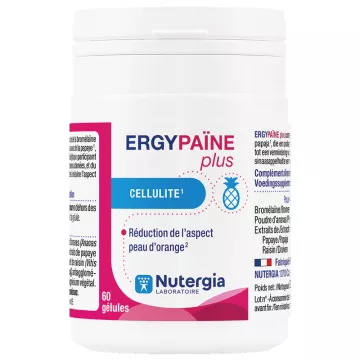
Papaya (Carica papaya) is a tropical fruit whose high content of bioactive compounds makes it a preferred ingredient in dietary supplements and cosmetics. It contains several families of functional nutrients:
Papaya is one of the richest sources of papain, a proteolytic enzyme that hydrolyzes the peptide bonds in dietary proteins into free amino acids. As a dietary supplement (freeze-dried green papaya powder, standardized papain extracts), it serves as a natural digestive aid recommended after protein-rich meals. Its high content of soluble and insoluble fiber also supports regular bowel movements and promotes the production of short-chain fatty acids through colonic fermentation. It can improve overall digestion, particularly in people with temporary digestive enzyme deficiency.
The vitamin C in papaya contributes to the normal functioning of the immune system—a claim recognized by the EFSA—and helps reduce fatigue. It also stimulates collagen synthesis, which is essential for the integrity of joint cartilage. The flavonoids and carotenoids in papaya have a soothing effect on inflammatory processes, thereby helping to relieve mild joint pain. To boost natural immunity, papaya powder is a versatile supplement that combines antioxidant action, a source of vitamin C, and digestive support.
In cosmetics, papaya is a dual-action ingredient: it works both topically and internally. When used topically, the papain in green papaya extracts gently exfoliates the stratum corneum, reveals the skin’s radiance, and promotes the fading of superficial marks and scars. It is found in enzymatic scrubs, purifying masks, and anti-dark spot treatments. When taken internally, the carotenoids in ripe papaya protect skin cells from UV-induced oxidative stress and help maintain youthful, supple skin.
Both forms offer complementary active ingredient profiles:
Papaya seeds are rich in isothiocyanates and carpaine, which have antiparasitic properties and are used in traditional herbal medicine to support liver detoxification. Consumption should be moderate due to potentially irritating effects at high doses.
There are contraindications associated with papaya that should be considered before taking any supplements: