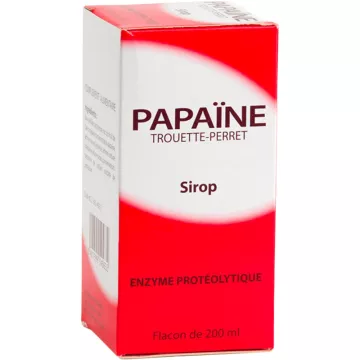
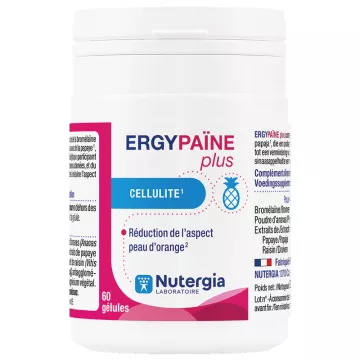
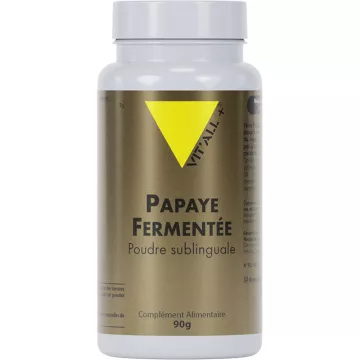
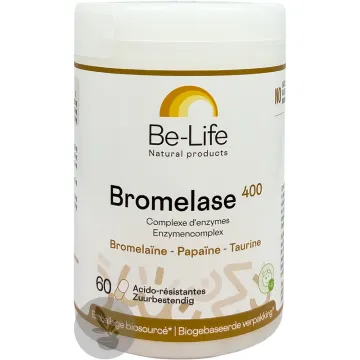
Papain is a proteolytic enzyme extracted from the latex of the papaya tree (Carica papaya), primarily from unripe green fruit. This enzyme breaks down the peptide bonds in dietary proteins into amino acids, accelerating their digestion and absorption. In health stores, it is available in the form of capsules, chewable tablets, enzyme powders, and multi-enzyme digestive complexes. Its use in traditional medicine dates back thousands of years in the tropical regions of Central America, where the fruit was consumed to aid in the digestion of meat-rich meals.
Papain acts as an enzymatic aid specifically targeting protein digestion, compensating for a temporary deficiency in pancreatic protease production. Its documented digestive benefits include:
To maximize its effectiveness, papain should be taken at the start of or during a meal, avoiding enzyme inhibitors (tea, coffee, tannins) that can reduce its activity.
Yes. Papain exerts a proteolytic effect on circulating immune complexes and certain inflammatory mediators, reducing swelling and pain in injured tissues. Clinical studies suggest a beneficial effect on post-exercise muscle soreness and mild joint pain. Enzyme formulas combining papain, bromelain, and trypsin are the most extensively studied in this context. This action is not a substitute for medical treatment of chronic inflammatory conditions.
In cosmetics, papain is an enzymatic exfoliant that selectively breaks down the keratin in dead cells of the stratum corneum without affecting living cells, unlike mechanical exfoliants or acids. It is used in enzymatic scrubs, radiance-boosting masks, and purifying treatments to:
Its gentleness makes it suitable for sensitive skin, unlike chemical exfoliants, which can cause irritation. It also helps slow visible skin aging by promoting cell renewal.
By promoting optimal absorption of amino acids and micronutrients, papain indirectly contributes to the proper functioning of the immune system. The essential amino acids produced by protein digestion are precursors to numerous immune molecules (immunoglobulins, cytokines, antioxidant enzymes). To strengthen natural immunity, papain is often combined with vitamin C in enzyme complex formulations, as vitamin C enhances enzymatic activity and exerts its own effect on the immune system.
Although natural, papain has contraindications that should be noted: