What are the main functions of dog and cat paw pads?
Dog and cat pads play several crucial roles in the animal's well-being. Firstly, they act as shock absorbers for the bones, joints and muscles of the paws, reducing impact when walking, running or jumping. Secondly, the pads protect the paws from injury caused by rough or sharp surfaces, and insulate them from extremes of temperature. Finally, they aid traction, enabling animals to move efficiently over different ground textures.
How can I identify common problems affecting dog and cat paw pads?
Signs of a paw pad problem can include lameness, excessive paw licking, visible sores, cracking or redness. Foreign objects such as shards of glass or spikelets can also become lodged. In periods of extreme cold or heat, paw pads can also suffer burns or frostbite.
What precautions should I take to protect my pets' paw pads in extreme weather conditions?
To protect the paw pads of dogs and cats in extreme temperatures, we recommend the use of protective booties that not only cover but also insulate the paws from heat and cold. During winter, avoid areas where road salt has been spread unprotected, as it can cause irritation and cracking. In summer, try to walk your pet early in the morning or late in the evening when the ground is cooler.
What daily care do you recommend to maintain healthy paw pads?
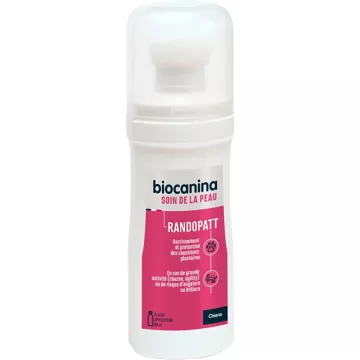
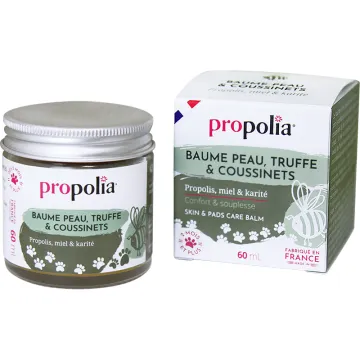
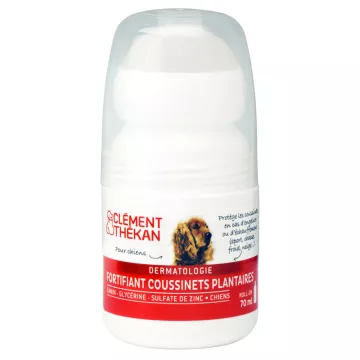
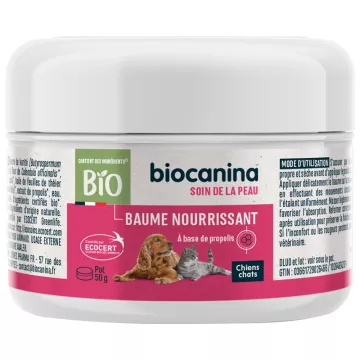
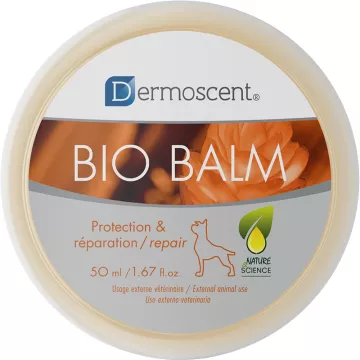
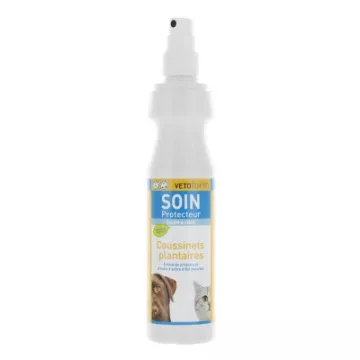
Regular pad care should include daily inspections to check for debris, cuts or cracks. Clean paws with a damp cloth after each walk. Moisturize pads with specially formulated products, such as balms or waxes, which can prevent cracking and improve paw resilience.
Are there any specific products or techniques for strengthening pet paw pads?
A number of products can help strengthen the pads. Protective waxes based on natural ingredients such as beeswax or shea butter are excellent for moisturizing and protecting paws. Dietary supplements rich in omega-3 fatty acids and vitamin E can also improve overall skin health, including that of the paw pads. In addition, regular exercise on a variety of surfaces can naturally boost paw strength.
How to detect a paw pad infection in dogs and cats?
To detect a paw pad infection, look for the following symptoms: persistent redness, swelling, the presence of pus or foul-smelling secretions, and excessive licking or biting of the paws. Unusually soft texture or open sores are also warning signs. It's crucial to consult a veterinarian if you suspect an infection to avoid more serious complications.
What should I do if my pet's paw pads are injured?
In the event of a visible wound on a pad, clean the wound immediately with lukewarm water and mild soap. Avoid using irritating products such as alcohol or hydrogen peroxide. Apply a sterile compress to limit bleeding, and consult a veterinarian to assess the need for antibiotic treatment or sutures. Keep the animal at rest and avoid walks until the wound begins to heal.
Can I use home remedies to treat my pet's paw pads?
Some home remedies can be used for light paw pad care, such as applying coconut oil or shea butter to moisturize dry, cracked paws. However, for more serious conditions such as deep cuts, burns, or infections, it's imperative to consult a professional. Home remedies should not replace proper veterinary treatment.
How does diet influence the health of my pet's pads?
Diet has a direct impact on paw pad health. A balanced diet rich in essential fatty acids, such as omega-3 and omega-6, can improve the elasticity and resilience of the skin, including the pads. Make sure your pet receives a high-quality food, or consider supplements after veterinary consultation, to keep its paws in good health.
Are there any specific activities that can damage my pets' pads?
Certain activities can be particularly hard on a pet's paws, such as running on abrasive surfaces (asphalt, gravel), prolonged exposure to extreme temperatures, or frequent contact with chemicals like road salt. To minimize risks, choose soft surfaces such as grass, limit exposure to extreme weather conditions, and rinse your pet's paws after contact with chemicals. Consider using paw protectors during high-risk activities.