Macadamia oil is extracted from the nuts of the macadamia tree (Macadamia integrifolia), a tree native to Australia. What sets it apart is its high content of palmitoleic acid (omega-7), a fatty acid naturally found in human sebum, which explains its exceptional affinity with the skin and its dry, non-greasy feel. Also rich in oleic acid (omega-9) and antioxidants, it ranks among the most versatile cosmetic plant oils, alongside jojoba andargan. Its rapid absorption makes it a daily skincare product suitable for many skin and hair types.
For dry and sensitive skin that feels tight, macadamia oil can be used as a nourishing daily treatment:
Its light texture helps maintain the skin’s barrier without leaving a greasy residue.
Contrary to popular belief, macadamia oil is also suitable for combination and oily skin. Its low comedogenic rating (1 out of 5) and similarity to natural sebum make it well-tolerated by skin prone to oiliness. When applied in very small amounts at night, it helps maintain skin comfort without clogging pores or causing breakouts. For these skin types, start with a light application (1 to 2 drops for the face) and monitor your skin’s reaction over a few days. Pair it with a gentle, suitable cleansing routine. A 48-hour patch test on the inner elbow is still recommended before regular use.
For dry and damaged hair, macadamia oil offers several hair care uses. As a pre-shampoo oil treatment, apply generously to the lengths and ends, then leave on for 30 minutes to 1 hour under a warm towel before shampooing. As a leave-in treatment, apply 1 to 2 drops to damp hair to make styling easier and provide protection. As an anti-frizz serum, a small amount on dry ends tames the hair and adds shine without weighing it down. Its light texture makes it suitable even for fine hair, which doesn’t tolerate overly rich oils well. For enhanced nourishment, it can be mixed in equal parts with other plant-based oils as needed.
Macadamia oil is particularly well-suited for natural makeup removal: its fluid texture gently dissolves makeup—including waterproof formulas—without stripping the skin’s hydrolipidic film. Apply a few drops to dry skin, massage gently, then remove with a damp cotton pad or rinse with lukewarm water (double cleansing method). For body massage, its silky glide and gradual absorption make it a pleasant massage oil that leaves the skin soft without a sticky residue. It can serve as a neutral base for diluting essential oils in relaxing or invigorating massage blends. Its oxidative stability, which is superior to that of many vegetable oils, ensures a long shelf life.
When used in food, macadamia oil is a source of monounsaturated fatty acids. According to validated EFSA claims, replacing saturated fats with unsaturated fats in the diet helps maintain normal blood cholesterol levels. As a dressing, its delicate nutty flavor enhances salads, grilled vegetables, and fish. For gentle cooking, its high smoke point (approximately 210 °C) allows it to withstand heat better than many vegetable oils. It serves as a good substitute for butter in certain recipes. Whole macadamia nuts also provide fiber, magnesium, and plant-based protein, making them a healthy and balanced snack option. Consume in moderation due to their high calorie density (about 700 kcal/100 g).
Several precautions should be taken into account. People with nut allergies (walnuts, hazelnuts, almonds, cashews) should avoid macadamia nuts, which can trigger allergic reactions that are sometimes severe. A 48-hour patch test on the inner elbow is recommended before any regular topical application. Toxicity in dogs is well-established and well-documented: macadamia nuts cause neurological disorders in dogs (weakness, tremors, hyperthermia); keep out of reach of pets. Excessive consumption can lead to digestive problems (bloating) and a high caloric intake. Pregnant or breastfeeding women may use the oil in cosmetics and consume the nuts as part of their regular diet without any special precautions, unless they have a known nut allergy. Store the oil away from heat and light.
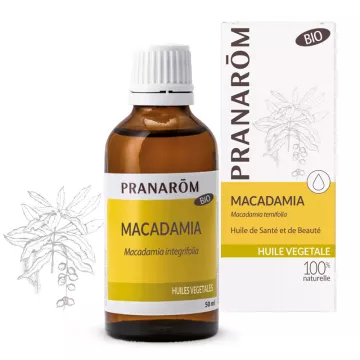
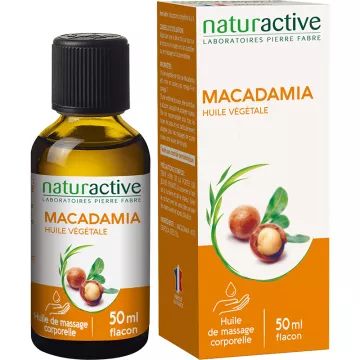
Several criteria indicate a high-quality oil. The “first cold-pressed” label guarantees the preservation of heat-sensitive fatty acids and antioxidants. The Bio AB or Ecocert certification ensures the absence of pesticide residues. The label “100% pure and virgin, with no additives or blends” is essential for optimal cosmetic use.Traceable origin (Australia, South Africa, Kenya, Hawaii) is a guarantee of botanical quality. Packaging in amber glass bottles protects the oil from light-induced and oxidative degradation. For food use, check for the “food-grade” label, which is distinct from the cosmetic-grade label. Fresh oil has a delicate, nutty scent; a rancid odor indicates oxidation. Leading brands in health and beauty stores: Pranarôm, Florame, Aroma-Zone, Centifolia, Melvita, Cattier.