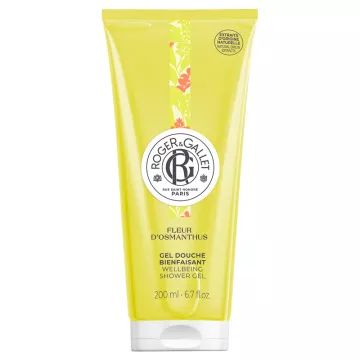
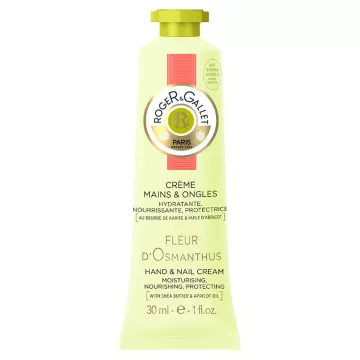
Osmanthus (Osmanthus fragrans) is a shrub native to China with small yellow, orange, or white flowers, depending on the variety—and one of the most complex fragrances in the plant kingdom: honey, apricot, jasmine, and white flowers all in a single note. In cosmetics and perfumery, its extracts are prized and rare. Its absolute concentrates this unique aromatic profile, which cannot be obtained through distillation. Discover our line of anti-aging and aromatherapy products.
Does osmanthus have an essential oil or an absolute?
A technical distinction that changes both the profile and the price.
- Osmanthus cannot withstand steam distillation —its most precious aromatic molecules degrade when exposed to heat (like jasmine or rose).
- We useabsolute extraction (solvents or supercritical CO₂) orenfleurage —processes reserved for delicate flowers in fine perfumery
- Osmanthus absolute contains ionones (a violet-fruity note), linalool, and specific alkenes—a profile that is 100% unique in natural perfumery
- Commercially available “osmanthus essential oils” are often CO₂ extracts or aromatic reconstitutions—check the label and the extraction method
- Compare with orange blossom —another white flower used in high-end perfumery, available as an absolute or hydrosol
Osmanthus and skincare?
Osmanthus extracts are gaining prominence in premium skincare products due to their high polyphenol content and signature fragrance.
- Rich in flavonoids and polyphenols: antioxidant active ingredients that neutralize free radicals—protecting skin collagen and preventing signs of aging
- Sensitive and reactive skin: osmanthus extracts soothe redness and support skin tolerance—a complementary active ingredient to bisabolol and panthenol
- Radiant complexion: the phenolic compounds in osmanthus regulate melanogenesis—used in serums designed to correct mild hyperpigmentation
- See our anti-aging serums and moisturizing skincare lines
Osmanthus in aromatherapy and wellness?
Its absolute is used in emotional aromatherapy—a distinct application from traditional essential oils.
- Effect on the olfactory-emotional axis: osmanthus ionones activate the limbic system—supporting emotional balance and overall well-being through the sense of smell
- Diffusion: a few drops in a diffuser or on a handkerchief—a warm, fruity heart note that is long-lasting and gentle
- Support for sleep and relaxation: the sweet, honeyed notes of osmanthus create a cozy, cocooning atmosphere—pair with true lavender or Roman chamomile
- Wellness massage: a few drops of absolute diluted in a vegetable oil (jojoba, sweet almond) — a lingering fragrance combined with soothing properties
Osmanthus tea?
Osmanthus flower tea is a Chinese tradition—Gui Hua Cha—with its own benefits.
- Rich in polyphenols and flavonoids—antioxidant properties comparable to green tea but without caffeine
- Supports mild digestive comfort (bloating, post-meal heaviness)—gentle carminative properties
- Preparation: 1 tsp of dried flowers in 200 mL of water at 85°C, steep for 3–5 minutes—enjoy as an evening beverage or after meals
- Often combined with green tea or white tea in Asian floral blends — adds a unique aromatic note to these blends
Precautions and contraindications?
- Allergy to Oleaceae (olive, ash, lilac): risk of cross-reactivity—perform a skin test before any extensive use of the absolute
- The absolute may contain trace amounts of residual solvents depending on the extraction method—look for the label “supercritical CO₂ extraction” for products free of organic solvents
- Pregnant women: absolute is not recommended; a mild infusion is generally tolerated—seek medical advice if in doubt
- Internal use (infusion): use with caution in individuals taking anticoagulants—polyphenols may interact