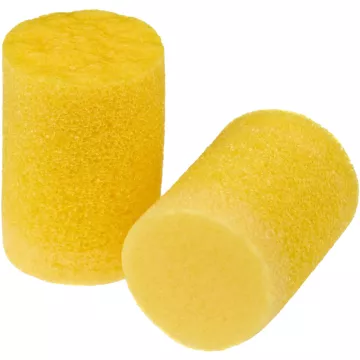
Noise is one of the leading preventable risk factors for hearing loss. Whether from occupational exposure, recreational activities (concerts, headphones), or everyday life, high noise levels gradually damage the inner ear and can cause tinnitus or irreversible hearing loss. Hearing protection is the simplest and most effective way to preserve your hearing.
What is noise, and what are its effects?
Noise refers to any unwanted or annoying sound, measured in decibels (dB). Beyond being a nuisance, it has real effects on health: stress, sleep disturbances, and, above all, risks tohearing. Prolonged exposure to noise levels above 85 dB without protection damages the hair cells in the cochlea—a condition that is often irreversible.
How does noise affect hearing?
The hair cells in the inner ear do not regenerate. Each instance of excessive exposure contributes to their cumulative deterioration.
- Progressive hearing loss, often detected too late
- Tinnitus: persistent ringing or buzzing, the first warning sign
- Sleep disturbances and insomnia in people exposed to noise at night
- Temporary auditory fatigue after a concert or exposure to a noisy environment
What hearing protection options are available against noise?
Our health and beauty store offers a range of hearing protection options for every situation. Check out our selection in the hearing protection category.
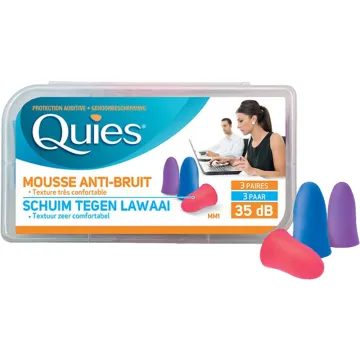
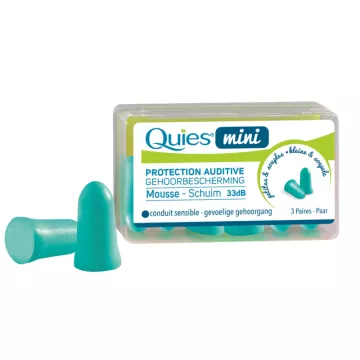
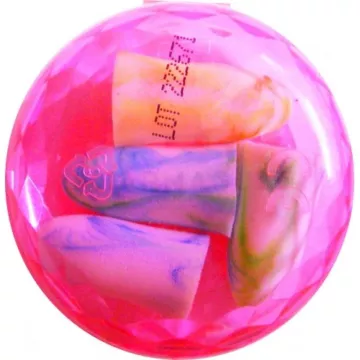
- Disposable earplugs: made of foam, SNR up to 37 dB, for concerts and travel
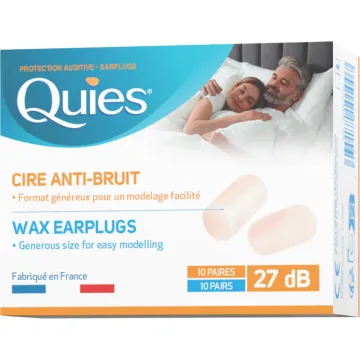
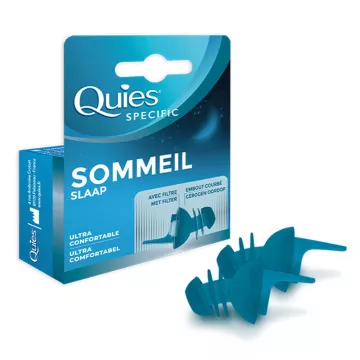
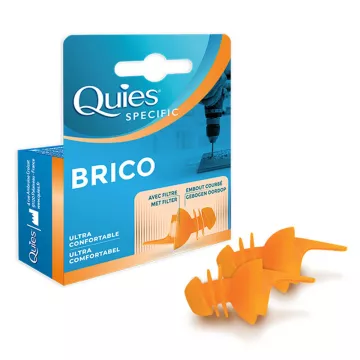
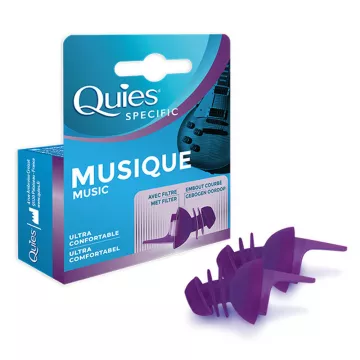
- Reusable earplugs: made of silicone, washable, suitable for everyday use (sleeping, commuting)
- Noise-canceling headphones: enhanced protection for very noisy environments (home improvement, construction sites)
- Custom-fit earplugs: molded by a hearing aid specialist for optimal protection and comfort
How to choose the right earplugs?
The main criterion isthe SNR (Single Number Rating): it indicates the noise reduction in dB.
- SNR < 20 dB: sleeping, focusing, traveling
- SNR 20–30 dB: concerts, motor sports, parties
- SNR > 30 dB: noisy work environments, intensive DIY projects
For infants and young children, use appropriate hearing protection whenever they are exposed to noise levels exceeding 85 dB. If in doubt,an ENT specialist or audiologist can assess your hearing profile.
What noise levels are dangerous?
Recommendations fromthe WHO and the INRS define thresholds that should not be exceeded without protection.
- Above 85 dB: potential damage after 8 hours of exposure (workshop, heavy traffic)
- Above 100 dB: damage can occur in less than 1 hour (nightclub, concert)
- Above 120 dB: pain and immediate risk (explosion, nearby siren)
How can you protect your ears in everyday life?
A few simple habits can help preserve your hearing in the long term.
- Follow the 60/60 rule for headphones: 60% of maximum volume, 60 minutes maximum
- Bring earplugs to concerts, parties, and other loud events
- Let your ears rest in silence after intense exposure
- See a doctor if you experience tinnitus, hearing loss, or recurringear, nose, and throat (ENT) infections