0
Menu

Protect Your Hearing

Filter
Number of products : 16
Sort
Sort
Close
Earplugs Made with Natural Wax Earplugs Made with Natural Wax
8 pairs 12 pairs
€5.95
Add to cart
Shipped within 24h
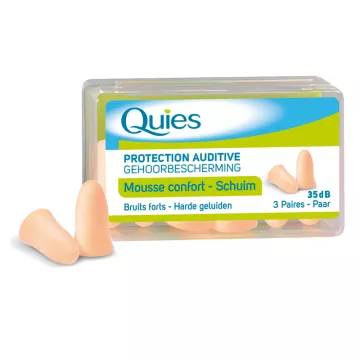
Quies Ear Protection Foam Chair box of 6 Quies Ear Protection Foam Chair box of 6
€3.49
Shipped within 24h
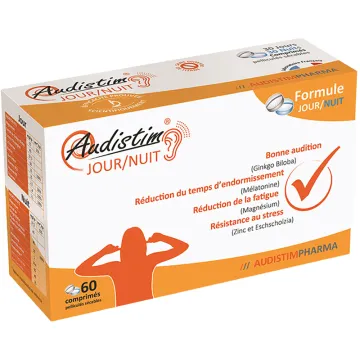
Audistim Day/Night Formula, 60 tablets Audistim Day/Night Formula, 60 tablets
€26.39
Shipped within 24h
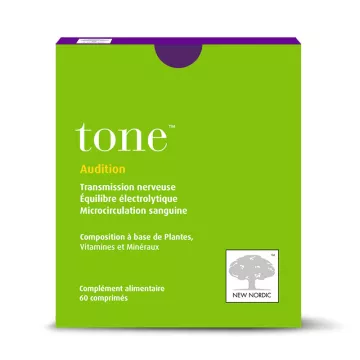
Tone New Nordic  - Audition 60 Tablets Tone New Nordic - Audition 60 Tablets
€27.39
Shipped within 24h
Audistim Inner Ear Balance 60 capsules Audistim Inner Ear Balance 60 capsules
€25.94
Shipped within 24h
Quies Children's Swimming Hearing Protection 3 Pairs Quies Children's Swimming Hearing Protection 3 Pairs
€5.99
Shipped within 24h
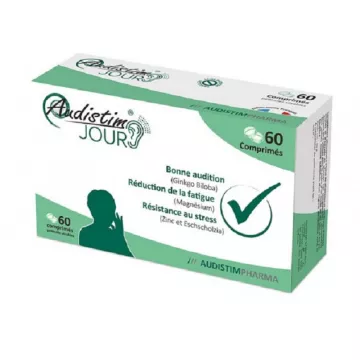
Audistim Jour Sensations sonores 60 capsules Audistim Jour Sensations sonores 60 capsules
€23.95
Shipped within 24h
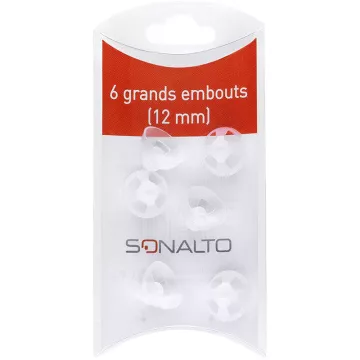
Sonalto Octave 6 Great Tips 12mm Sonalto Octave 6 Great Tips 12mm
€5.49
Shipped within 24h
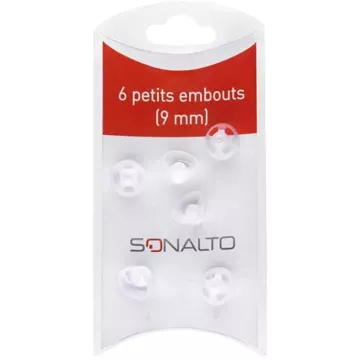
Sonalto Octave 6 Small Mouthpieces 9mm Sonalto Octave 6 Small Mouthpieces 9mm
€5.90
Shipped within 24h
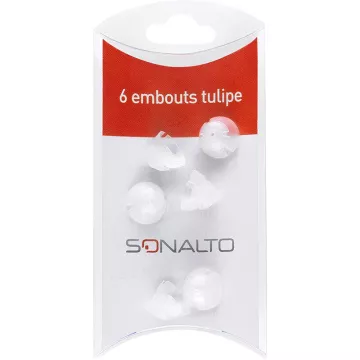
Sonalto Octave 6 tips Tulips 10 mm Sonalto Octave 6 tips Tulips 10 mm
€5.90
Shipped within 24h
Vitall+ Hearing Complex 60 vegetarian capsules Vitall+ Hearing Complex 60 vegetarian capsules
€50.49
Shipped in 5 to 7 working days
Audisprayzen Audition Day Night 60 Tablets Audisprayzen Audition Day Night 60 Tablets
€22.29
Shipped in 5 to 7 business days
RHODODENDRON FERRUGINEUM pellets Boiron homeopathy RHODODENDRON FERRUGINEUM pellets Boiron homeopathy
5 C Tube 80 granules 4 g. +
€2.99
Add to cart
In stock - preparation within 1 to 2 working days

Hearing is a precious sense that connects us to the sounds of the world. Active prevention, proper care, and regular checkups help preserve it for a long time. Never ignore the warning signs: hearing loss detected early is much easier to manage than established hearing loss.

How does hearing work?

Hearing relies on a precise, multi-step process. Sound waves enter the outer ear, cause the eardrum to vibrate, travel through the ossicles of the middle ear—which amplify them—and then reach the cochlea in the inner ear. The cochlea converts these vibrations into electrical signals that are transmitted to the brain via the auditory nerve, where they are interpreted as sounds.

What factors can affect hearing?

Several factors can gradually or suddenly impair hearing.

  • Repeated exposure to loud noises (concerts, headphones, workplace environments)
  • Natural aging (presbycusis)
  • Untreated ear infections
  • Ototoxic medications (certain antibiotics, chemotherapy drugs)
  • Trauma to the ear canal or eardrum
  • Genetic conditions

How can you protect your hearing in everyday life?

Hearing protection starts with simple habits adopted from a young age.

  • Limit headphone volume: the 60/60 rule (60% of maximum volume, no more than 60 minutes per session)
  • Wear hearing protection in noisy environments
  • Maintain good ear hygiene to prevent earwax buildup
  • Dry your ears after swimming to prevent ear infections

Young people are particularly at risk: prolonged listening to loud music is now one of the leading causes of early hearing loss.

What are the signs of hearing loss?

Recognizing the warning signs allows for early intervention.

  • Difficulty understanding conversations in noisy environments
  • Need to turn up the volume on the TV or phone
  • Tinnitus: persistent ringing or buzzing
  • A feeling of fullness in the ears
  • Difficulty hearing high-pitched sounds

Can lost hearing be restored?

It depends on the cause and how early treatment begins.

  • Loss due to a wax plug or an infection: medical treatment is often sufficient to restore hearing
  • Permanent sensorineural hearing loss: hearing aids or cochlear implants significantly improve quality of life

Hearing aids pick up sound through a microphone, amplify it, and deliver it to the ear. They are programmed by a hearing aid specialist based on the specific profile of each hearing loss. Diagnosis is made through audiometric tests (audiogram) by an ENT specialist or an audiologist.

When should you see a hearing specialist?

See a doctor or an ENT specialist promptly if you experience:

  • Sudden or gradual hearing loss
  • Persistent tinnitus
  • Pain, discharge, or a sensation of a blocked ear that does not go away
  • A history of recurrentENT infections

Regular hearing screenings are recommended starting at age 50 or as soon as any symptoms appear. Content reviewed by Arnaud, Ph.D. in Pharmacy.