An earwax plug is an excessive buildup of earwax that eventually blocks the ear canal. While common and harmless in most cases, it can nevertheless cause significant hearing discomfort and must be treated with care to avoid complications. Self-treatment using hard objects is strongly discouraged.
Earwax forms naturally in the ear canal to protect it. Normally, it moves outward on its own. When this process is disrupted—due to excessive production, a narrow ear canal, or frequent use of earbuds— earwax accumulates, hardens, and forms a plug that blocks the passage of sound.
The symptoms develop gradually and can vary in severity.
An untreated earwax blockage can lead to an ear infection. If you experience pain, discharge, or a fever, see a doctor right away.
Several factors contribute to the buildup.
As we age, earwax becomes drier and harder, increasing the risk of a wax plug—so special attention toear hygiene is recommended for older adults.
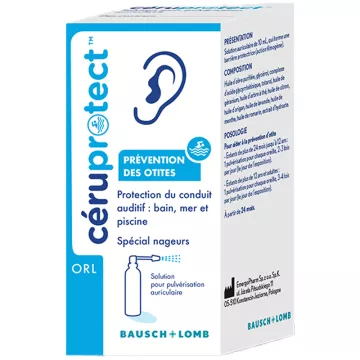
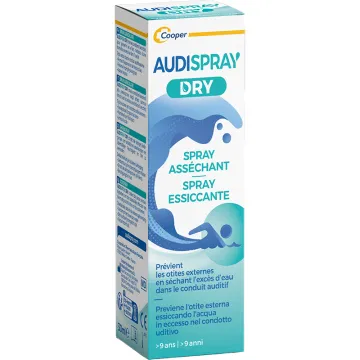
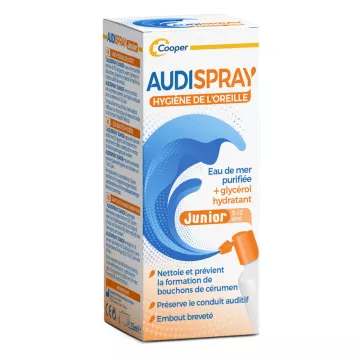
To prevent earwax blockages: avoid using cotton swabs, clean only the outer ear, and stay well-hydrated.
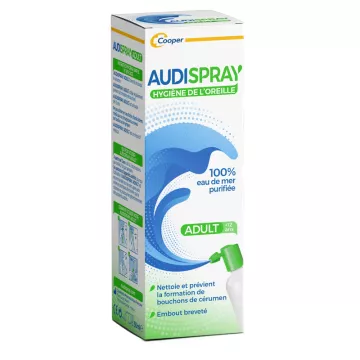
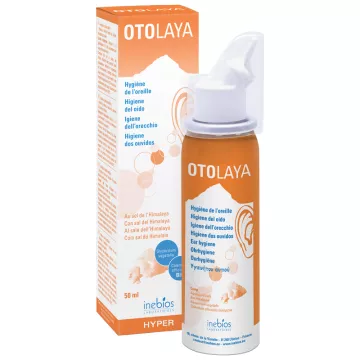
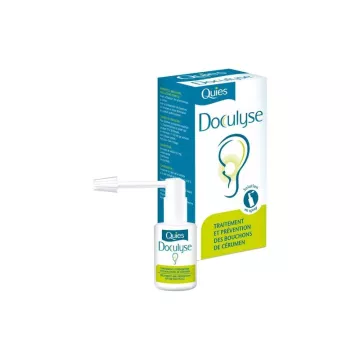
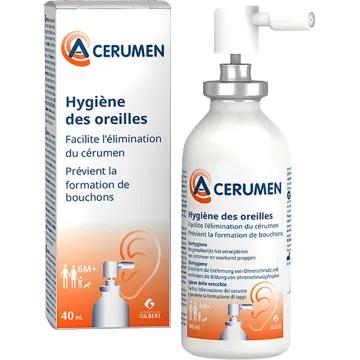
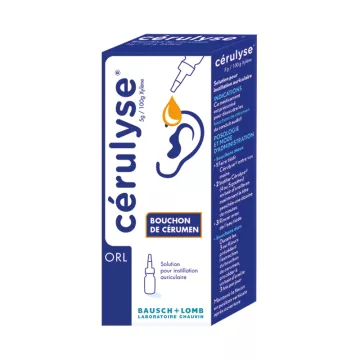
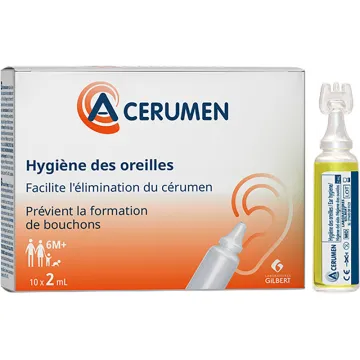
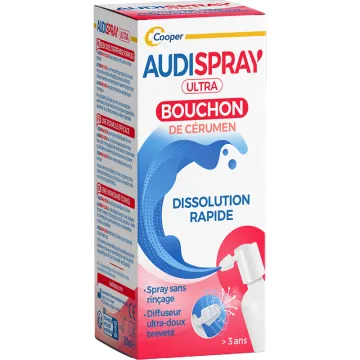
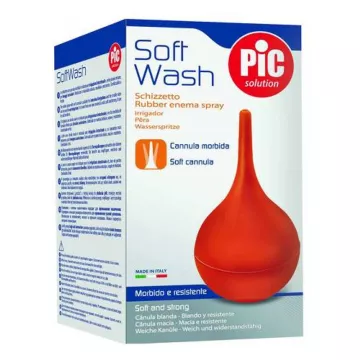
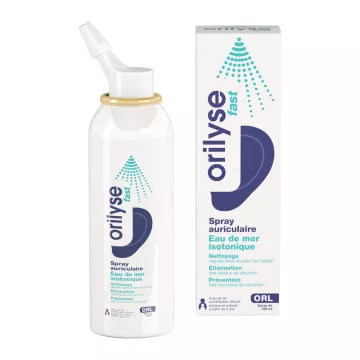
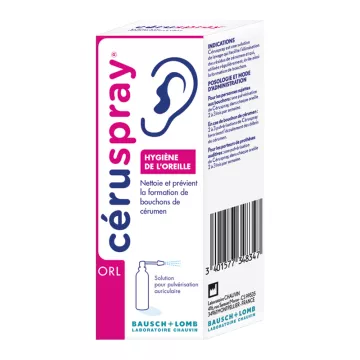
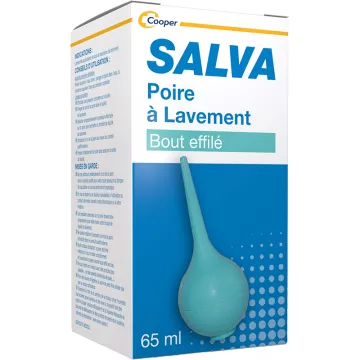
To treat a mild earwax plug at home, as advised by a pharmacist:
Never insert a sharp or hard object: serious risk of eardrum perforation. If the earwax plug does not respond to over-the-counter (OTC) products or if symptoms worsen, consult a healthcare professional.
Yes: the consistency of earwax changes with age. It is more liquid in children (easy to expel) and gradually becomes drier and harder in adulthood, and even more so in older adults. This natural phenomenon increases the risk of buildup and justifies regular ear checkups for seniors and hearing aid users.
See a doctor or an ENT specialist immediately if you experience:
A healthcare professional can safely perform ear irrigation, suction, or curettage. These procedures should not be performed at home. Content reviewed by Arnaud, Ph.D. in Pharmacy.