0
Menu

Earwax: Natural Solutions for Optimal Hygiene

Filter
Number of products : 12
Sort
Sort
Close
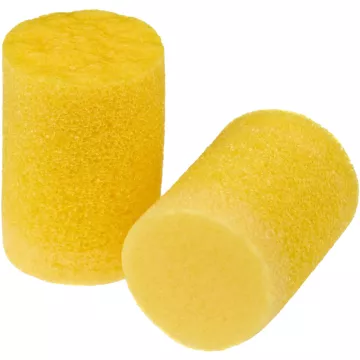
Earplugs Made with Natural Wax Earplugs Made with Natural Wax
8 pairs 12 pairs
€5.95
Add to cart
Shipped within 24h
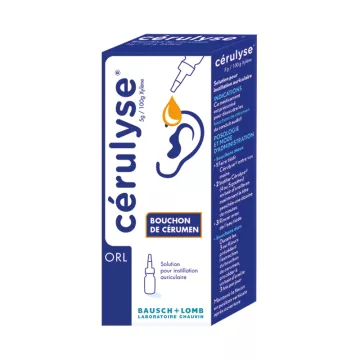
Cerulyse Ear Wax Remover 10 ml Cerulyse Ear Wax Remover 10 ml
€8.51
Shipped within 24h
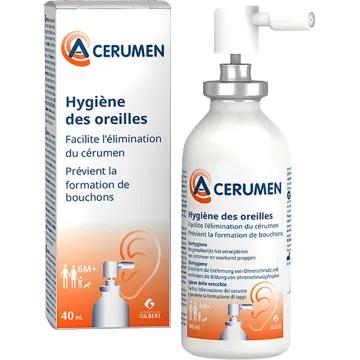
A-Cerumen Ear Care Spray, 40 ml A-Cerumen Ear Care Spray, 40 ml
€7.90
Shipped within 24h
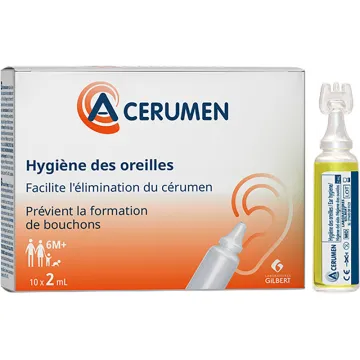
A-Cerumen Ear Care, 10 single-dose packets A-Cerumen Ear Care, 10 single-dose packets
€6.65
Shipped within 24h
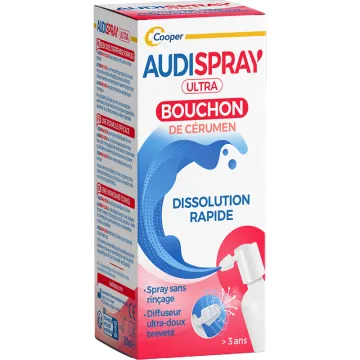
Audispray Ultra Earwax Removal Spray 20 ml Cooper Audispray Ultra Earwax Removal Spray 20 ml Cooper
€8.75
Shipped within 24h
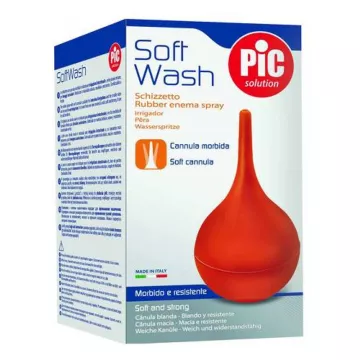
Softwash Tapered Pear-Shaped ENT Ear Cleanser, 35 ml Softwash Tapered Pear-Shaped ENT Ear Cleanser, 35 ml
€3.90
Shipped within 24h
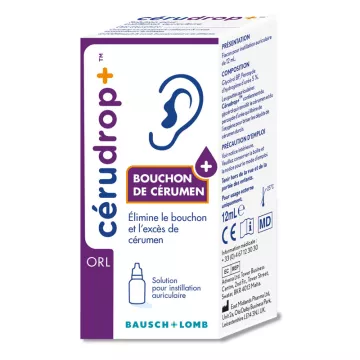
Cerudrop+ Ear Wax Stopper 12 ml Cerudrop+ Ear Wax Stopper 12 ml
€6.46
Shipped within 24h
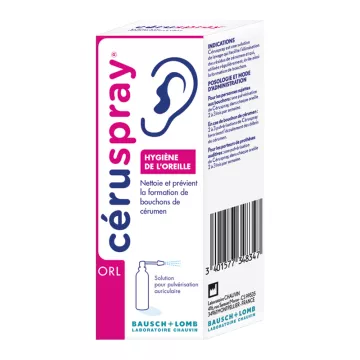
Ceruspray Ear Hygiene 50 ml Ceruspray Ear Hygiene 50 ml
€6.30
Ships in 5-7 business days

Earwax, a common term for cerumen, is a natural substance produced in the external auditory canal. Far from being waste, it plays an essential protective role. Its composition varies from person to person, which explains the differences in texture, color, and quantity that are observed.

What Is Earwax (Cerumen)?

Earwax is secreted by two types of glands in the ear canal: sebaceous glands and apocrine sweat glands. These secretions mix with dead skin cells and fine hairs to form earwax. The slightly acidic pH of this substance helps naturally limit microbial growth in the ear canal.

How is earwax formed?

Its formation is a continuous, self-regulating process. The ear canal constantly produces a thin layer of earwax that slowly moves outward due to jaw and skin movements, carrying away dust and particles. This natural self-cleaning mechanism works without external intervention in most people.

Dry earwax or wet earwax: what’s the difference?

There are two types of earwax, determined by genetics.

  • Wet earwax: yellow to brown, sticky, more common among European and African populations
  • Dry earwax: gray to beige, crumbly, more common among East Asian populations

These variations are normal and do not indicate a medical condition. However, a sudden change in color accompanied by pain or discharge warrants medical attention.

How can you clean your ears safely?

Ear hygiene is limited to the outer ear opening: never insert any objects into the ear canal.

  • Clean the outer ear with a damp cloth
  • Cotton swabs are prohibited: they push earwax deeper into the canal and irritate it
  • If wax builds up: use saline ear sprays or warm olive oil to soften it—as advised by a pharmacist
  • Avoid unformulated hydrogen peroxide solutions: they can be irritating if not properly diluted

Can earwax affect hearing?

In excess, earwax can form a plug that blocks the passage of sound. This can cause temporary hearing loss, a feeling of fullness, and sometimes tinnitus. Professional cleaning restoreshearing safely. Hearing aid users are at greater risk: the devices can block the natural drainage of earwax.

When should you seek medical attention for an earwax problem?

See a doctor or an ENT specialist if you experience:

  • Pain, discharge, or a persistent feeling of a blocked ear
  • Hearing loss that does not improve with over-the-counter remedies
  • Suspectedear infection (pain + fever)

A healthcare professional can safely perform an irrigation or suction procedure. Content reviewed by Arnaud, Ph.D. in Pharmacy.