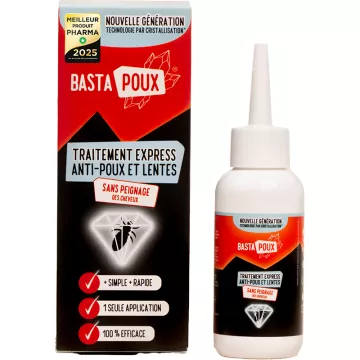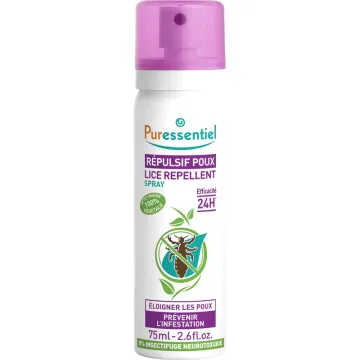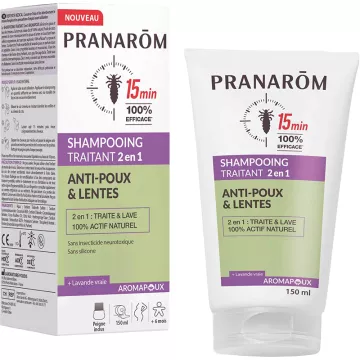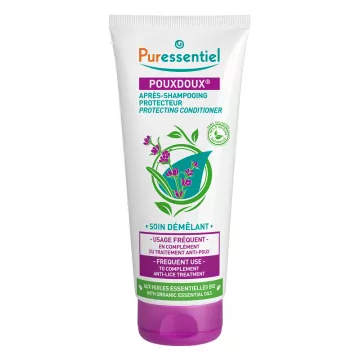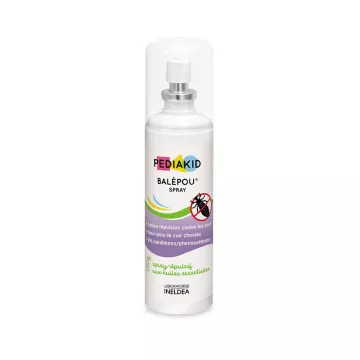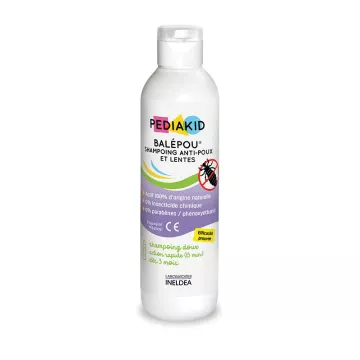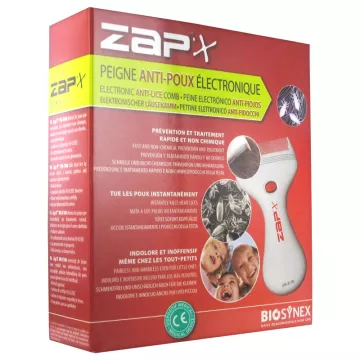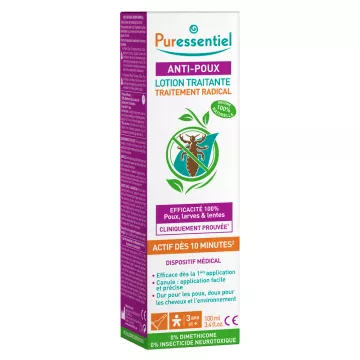
A natural lice treatment refers to methods and products that use natural ingredients to eliminate or repel lice and nits without chemical insecticides. This approach is appealing because its ingredients are considered gentler, reducing certain risks of irritation associated with pesticide-based treatments. These are most often products made from vegetable oils and essential oils, or homemade remedies. Be careful, however: “natural” does not mean “risk-free” or “always effective.” These solutions have their place in combating and preventing infestations, but they require real precautions and have limitations when dealing with an established infestation. They are part of a comprehensive approach to hair care and lice management, not a miracle cure.
Natural lice treatments work primarily through physical rather than chemical means. Several mechanisms are at play:
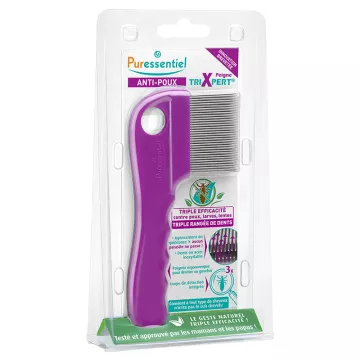
Thorough combing with a fine-toothed comb remains an essential step, regardless of the product used, to mechanically remove the parasites.
Common ingredients include coconut oil and olive oil (which smother and nourish), vinegar (which helps loosen nits by dissolving the substance that binds them to the hair), and essential oils such astea tree or lavender, known for their repellent effects. These essential oils are powerful and concentrated active ingredients: they must be diluted in a vegetable oil and should never be applied undiluted. In addition to their effectiveness against lice, these oils nourish the hair shaft and are suitable for all hair types—whether fine, thick, curly, or straight. The choice depends on the sensitivity of the scalp and the nature of the hair, with a preference for products that are suitable and well-tolerated.
For best results, apply the treatment to dry hair, covering the entire scalp and hair shafts, making sure to thoroughly cover the entire head. Leave it on as directed by the product—often for several hours or even overnight under a shower cap to maximize the smothering effect. Next, comb the hair thoroughly, strand by strand, using a fine-toothed lice comb to remove dead or weakened lice and nits. This mechanical step is what makes the difference: without careful combing, the treatment’s effectiveness is limited. To assess success, look for a decrease in parasites during combing, reduced itching, and the absence of new lice in the following days. Repeating the application significantly improves results.
This is the main limitation of natural lice treatments. While they work effectively on adult lice and nymphs, their effectiveness against nits (eggs) is less certain, as nits are protected by a hard shell. This is why it is essential to repeat the treatment several times, generally at 7- to 10-day intervals, to eliminate any lice that have hatched from nits in the meantime. A single application is almost never enough to eradicate an infestation. Regular combing with a fine-toothed comb, which mechanically removes nits clinging to the hair shaft, usefully complements the treatment. Perseverance is key: it is often the failure to repeat the treatment—rather than the product’s ineffectiveness—that explains treatment failures and reinfestations. In the face of a persistent infestation, it may be necessary to reassess the treatment method.
Even though these products are natural, they require serious precautions. Certain ingredients can cause allergic reactions: it is recommended to perform a skin test (on the inner elbow) before full application. Essential oils, which are powerful and concentrated, require special caution: they must be diluted and are not recommended for young children or pregnant or breastfeeding women due to genuine contraindications. For children under two years of age, opt for purely physical methods (combing, neutral emollient oils) and consult a healthcare professional before use. Natural does not mean harmless: essential oils are among the substances most likely to cause contact allergies. If in doubt, or if you experience scalp irritation or a reaction, discontinue use and consult a professional.
As a preventive measure, occasional use of a few drops of diluted tea tree essential oil or repellent products may help deter lice infestations during high-risk periods—such as the start of the school year—though there’s no absolute guarantee. As for homemade remedies, you can prepare a lice treatment using coconut oil, apple cider vinegar, and diluted tea tree essential oil; apply it, let it sit, and then comb the hair thoroughly. However, these preparations are subject to the same precautions as commercial products, particularly regarding the dosage of essential oils. For stubborn cases or young children, proven methods (dimethicone, systematic combing) and professional advice remain the gold standard. The natural approach is a useful complement, to be incorporated with discernment rather than as an alternative to conventional solutions.