What is muscle tone, and how does it differ from muscle mass?
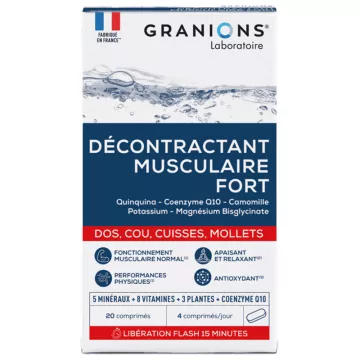
Muscle tone refers to the slight residual tension that a muscle maintains at rest—this baseline tone ensures proper posture, responsiveness to movement, and a firm appearance of the muscles. It is distinct from muscle mass (fiber volume): you can improve muscle tone without significantly increasing volume by working on neuromuscular activation and fiber quality. Discover our muscle comfort line to support this muscle quality.
- Resting tone (muscle tone): partial and permanent contraction—controlled by the autonomic nervous system—ensures posture and responsiveness—can be improved without hypertrophy
- Muscle mass: total fiber volume—increases with hypertrophy—requires heavy loads and a caloric surplus
- Tonicity approach: light to moderate sets (12–20 repetitions), short rest periods (30–60 sec), Pilates, swimming—improves firmness without excessive bulk
- Improved muscle tone becomes noticeable after 4–6 weeks of regular training—the result of improved neuromuscular recruitment even before hypertrophy occurs
Which supplements support muscle tone and quality?
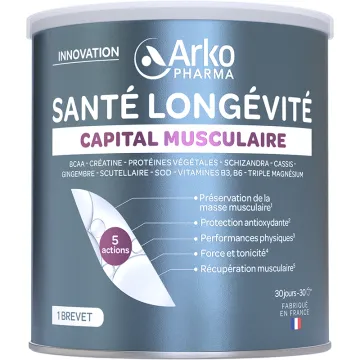
Supplements for muscle tone target fiber quality, recovery, and the hormonal environment—find the right formulas in our sports wellness line.
- Complete proteins (whey, casein, plant-based proteins): maintenance and repair of muscle fibers—1.2–1.6 g/kg/day to maintain muscle tone—see our muscle-building line
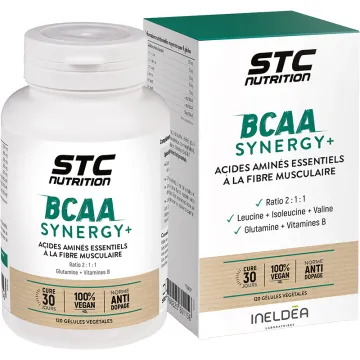
- BCAAs: limit muscle catabolism and speed up recovery—useful for the high-frequency workouts needed to build muscle tone
- Creatine: improves the quality of your effort during each workout—even with light loads, it optimizes muscle activation and recovery between sets
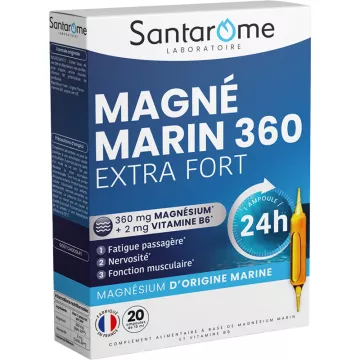
- Magnesium: regulates resting muscle tone—a deficiency causes hypertonicity (excessive tension, cramps)—300–400 mg/day
- Vitamin D3: acts on the receptors of slow-twitch muscle fibers (type I)—which play a particularly important role in postural muscle tone—maintain levels ≥ 30 ng/mL
How does muscle tone change with age and sarcopenia?
The loss of muscle tone with age—sarcopenia—is a natural process but one that is partially reversible with the right strategies. For people at risk of chronic muscle pain related to loss of muscle tone, see our dedicated page.
- Sarcopenia: physiological muscle loss of 1–2% per year after age 50—accelerated by a sedentary lifestyle, protein malnutrition, and hormonal deficiencies
- Consequences: reduced postural tone, instability, increased risk of falls and fractures, and a slowed basal metabolic rate
- Training resistance: Aging muscles respond less effectively to anabolic stimuli—compensate with higher training frequency and sufficient protein intake (at least 1.2–1.6 g/kg/day)
- Omega-3 (EPA/DHA): reduce age-related anabolic resistance—improve muscle sensitivity to dietary protein—documented anti-sarcopenic effects
- Age-appropriate exercise for seniors: light strength training 2–3 times per week + Nordic walking + Pilates — even at age 80, muscles respond to training and regain tone
How can you practically assess and improve your muscle tone?
- Simple self-assessment: chair test (stand up 5 times without using your arms in less than 12 seconds = satisfactory functional muscle tone) — single-leg balance test (stand on one leg for 10 seconds = adequate core strength and proprioception)
- Sample muscle tone program: 3 sessions per week — 3–4 sets of 15–20 repetitions — 30–60-second rest — compound exercises (cup squats, lunges, knee push-ups, core exercises) + Pilates or yoga 1–2 times per week
- Stress and cortisol: Chronic cortisol breaks down muscle fibers and reduces muscle tone—managing stress (cardiac coherence, sleep) is integral to an effective muscle-toning program
- Hydration: Muscles are 75% water — 1.5–2 L/day — even mild dehydration (1%) reduces muscle responsiveness and noticeably lowers muscle tone
- Visible results: 4–6 weeks for neuromuscular tone, 8–12 weeks for lasting morphological changes