Why do we lack motivation, and what are the biological causes?
A lack of motivation —experienced as a loss of drive, difficulty getting started, or a loss of anticipation—can have specific biological causes that are often overlooked. It is not a lack of willpower, but rather a neurochemical or nutritional imbalance that disrupts the reward and energy circuits. Discover our energy, vitality, and fatigue formulas, our mental energy line, and our energy and vitality supplements to naturally regain your drive.
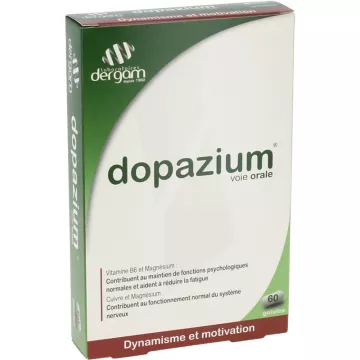
- Dopamine and the reward circuit: Motivation is biologically driven by dopamine—the neurotransmitter associated with desire, anticipation, and reward—a deficiency in dopamine (or its precursors: tyrosine, phenylalanine) → anhedonia, apathy, procrastination, lack of drive—coffee, fast-acting sugars, and certain medications deplete this system over the long term
- Iron deficiency: Iron is essential for dopamine synthesis (as a cofactor for tyrosine hydroxylase) — low ferritin (< 30 µg/L) can cause significant lack of motivation, mental fatigue, and apathy even before leading to anemia — the first thing to test for in cases of unexplained lack of motivation
- Vitamin D3 deficiency: D3 receptors are present in the brain’s dopaminergic pathways — deficiency → apathy, lack of drive, low mood, decreased energy — particularly common in winter (80% of French people in winter) — see our page vitamin D3
- Vitamin B12 deficiency: essential for myelination and neurotransmitter synthesis — deficiency → severe mental fatigue, difficulty concentrating, lack of motivation, low mood — particularly common in older adults, vegans, and people taking PPIs or metformin — see our page vitamin B12
- Nervous exhaustion and burnout: a lack of motivation can be a symptom of neurasthenia or nervous exhaustion—chronic high cortisol levels inhibit the dopaminergic circuit—in this case, the priority is recovery (sleep, reducing stressors, magnesium) before any attempt to “force” motivation
Micronutrients and Diet to Boost Motivation
- Iron: Test ferritin levels before taking any supplements (target ferritin level > 50 µg/L for benefits to motivation and cognitive function) — iron bisglycinate (better digestive tolerance) + vitamin C to improve absorption — noticeable improvements in motivation and energy within 4–8 weeks
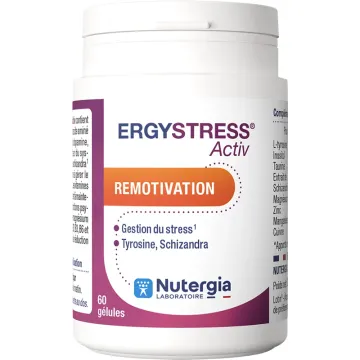
- Tyrosine: an amino acid that is a direct precursor to dopamine and norepinephrine — found in animal proteins (eggs, meat, fish, cheese) and plant-based proteins (tofu, legumes) — L-tyrosine supplementation (500–1,000 mg on an empty stomach in the morning) in mental alertness formulas — avoid taking it in the evening (slightly stimulating)
- Magnesium: Chronic magnesium deficiency inhibits the dopaminergic system and increases stress reactivity—lack of motivation + irritability + fatigue = classic symptoms of hypomagnesemia—bisglycinate 300–400 mg/evening — gradually restores drive and the ability to engage
- Omega-3 DHA and EPA: DHA is the primary fatty acid in the neuronal membranes of the prefrontal cortex (planning, motivation, decision-making) — a deficiency → impaired executive functions → difficulty initiating actions — 1–2 g EPA+DHA/day — sardines, mackerel, salmon 2–3 times a week
- Dopamine-boosting foods: high-quality protein at every meal (tyrosine) — cruciferous vegetables (indoles that support dopamine metabolism) — beets (nitrates → nitric oxide → cerebral circulation) — dark chocolate > 70% (theobromine + phenylethylamine → well-being and energy) — limit fast-acting sugars (dopamine spike and crash) and alcohol
Adaptogenic herbs and natural strategies to regain momentum
- Ginseng (Panax ginseng): a nervous system tonic and leading adaptogen — ginsenosides increase dopamine and norepinephrine production + reduce mental fatigue — positive studies on cognitive energy, motivation, and physical performance — standardized extract 200–400 mg/morning — avoid in the evening (stimulant)
- Rhodiola rosea: an adaptogen specifically targeting mental fatigue and lack of energy associated with overwork — inhibits the breakdown of serotonin and dopamine (weak, non-selective MAOI) — positive clinical studies on fatigue, motivation, and cognitive performance under stress — 200–400 mg of standardized extract in the morning — discover our formulas in our anti-stress line
- Guarana (Paullinia cupana): natural, sustained-release caffeine + theobromine + theophylline — a milder and longer-lasting stimulant effect than coffee — improves alertness, concentration, and short-term motivation — best taken in the morning — check out our fatigue-relief formulas
- Vitamin B5 (pantothenic acid): a cofactor in the synthesis of coenzyme A (CoA), which is essential for cellular energy production and the synthesis of dopaminergic neurotransmitters — often combined with B-complex vitamins in formulas for mental alertness — included in Multicomplex B formulas
- Physical exercise and dopamine: 30 minutes of aerobic exercise increases dopamine release and stimulates neurogenesis → a measurable boost in motivation and energy 30–60 minutes after exercise—even a short, brisk walk outdoors produces an immediate effect — motivation often returns DURING or AFTER the activity, not before
Lifestyle, sleep, and distinguishing from depression
- Distinguishing between lack of motivation and depression: a temporary or reactive lack of motivation (burnout, winter blues, boredom) is normal and can be addressed with natural approaches — Deep and persistent anhedonia (total inability to experience pleasure + sadness + dark thoughts) signals a depressive episode requiring medical attention — see our page on depressive tendencies for mild forms
- Sleep and Dopaminergic Regeneration: Sleep restores dopamine reserves—lack of sleep → impaired reward circuit → less motivation, more impulsivity—7–9 hours of sleep per night are essential for a functional dopaminergic system—see our anti-fatigue formulas
- Meditation and mindfulness: Regular meditation improves the executive functions of the prefrontal cortex (planning, initiating actions)—reduces rumination and procrastination—cardiac coherence (365, 3 times a day) restores the autonomic nervous system and facilitates task engagement
- Structuring the Start of the Day: Momentum often begins with a set morning routine that “kicks-starts” the dopaminergic system—waking up at a set time + natural light (or even light therapy in winter) + brief physical activity + protein at breakfast (tyrosine) = optimal conditions for a motivated day
- Reduce digital overstimulation: constant scrolling and a barrage of notifications generate micro-spikes of dopamine that deplete the reward system → making “long” and “low-reward” tasks even more difficult—limit social media to set time slots—digital detox on weekends—a weekly screen-free day is recommended to recharge the reward circuit