Mood swings refer to sudden, unpredictable, and disproportionate changes in emotional state—rapid shifts from joy to irritability, from enthusiasm to despondency—without any clearly identifiable external cause. They result from a neurochemical or hormonal imbalance, often involving multiple factors. The most common causes include hormonal fluctuations (menstrual cycle, premenstrual syndrome, perimenopause, pregnancy, postpartum), chronic stress (elevated cortisol, which disrupts serotonin), blood sugar fluctuations (reactive hypoglycemia after meals high in fast-acting sugars), lack of sleep (less than 7 hours significantly impairs emotional regulation), and deficiencies in magnesium, B vitamins, or omega-3s. Severe, frequent, or anxiety-related mood swings may be a sign of bipolar disorder, depression, or an anxiety disorder—consult a doctor for an accurate diagnosis.
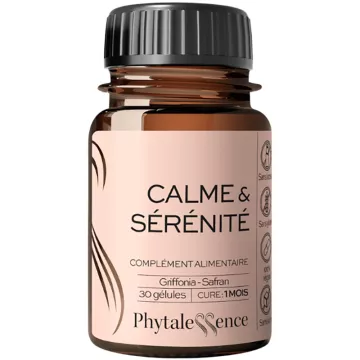
Several natural compounds support the neurotransmitters involved in mood regulation. Griffonia (5-HTP—a direct precursor of serotonin) is the most well-documented active ingredient for reducing irritability, rumination, and mood swings associated with a serotonin deficiency—absolute contraindication with SSRIs, SNRIs, tramadol, and St. John’s wort (risk of serotonin syndrome). St. John’s wort (Hypericum perforatum standardized to hypericin) is indicated for mild to moderate depressive states with mood instability—numerous contraindications (anticoagulants, contraceptives, antiretrovirals, SSRIs, photosensitizers)—medical advice is essential before use. Magnesium bisglycinate (300 mg/day) reduces emotional hyperreactivity, irritability, and nervous tension—the first deficiency to correct in cases of stress-related mood swings. Omega-3 EPA-DHA (1 to 3 g/day—EFSA claim) improves mood regulation by modulating brain inflammation.
Cyclical mood swings linked to hormonal fluctuations (premenstrual syndrome, perimenopause) require a specific approach. Chasteberry (Vitex agnus-castus—standardized agnoside extract) is the go-to herb for menstrual cycle disorders accompanied by irritability and premenstrual mood swings—EMA well-established use — Contraindications: pregnancy, breastfeeding, history of hormone-dependent cancer.Evening primrose oil (gamma-linolenic acid—GLA) supports female hormonal balance and reduces physical and emotional premenstrual symptoms. Valerian (EMA: well-established use) soothes nervous agitation and irritability associated with hormonal fluctuations. These approaches complement medical care—any instance of severe, persistent mood swings, or those associated with debilitating anxiety warrants a medical consultation.