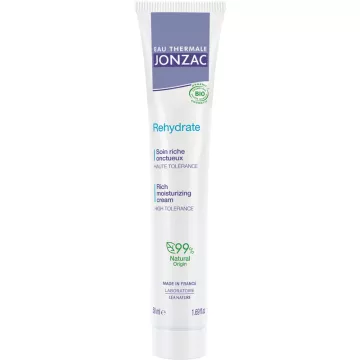
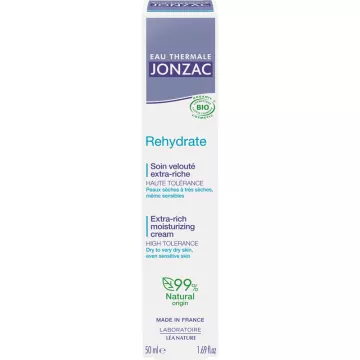
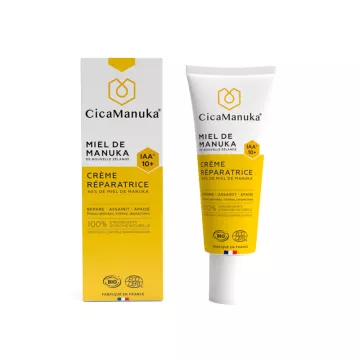
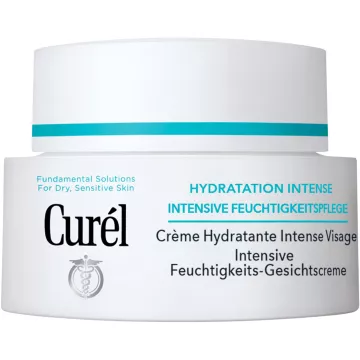
What is a moisturizer, and why is it essential?
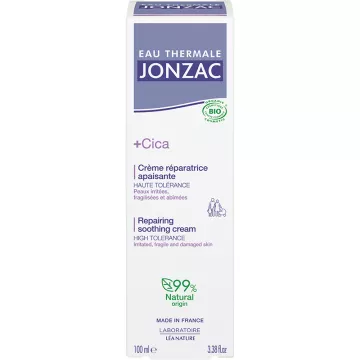
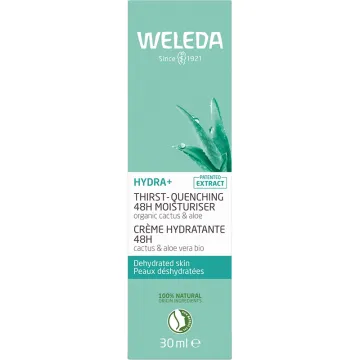
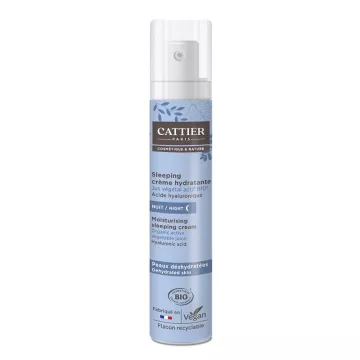
A moisturizer is a cosmetic product formulated to maintain and support the skin’s hydration.
It works by forming a temporary occlusive layer that limits transepidermal water loss, while delivering moisturizing ingredients such ashyaluronic acid, glycerin, ceramides, and plant oils.
Hydration is essential for maintaining the skin’s suppleness, comfort, and radiance.
Well-hydrated skin experiences less discomfort, tightness, and fine lines caused by dehydration; it is also more resilient against external stressors.
What types of moisturizers are available?
There are several types of moisturizers available, tailored to different skin types:
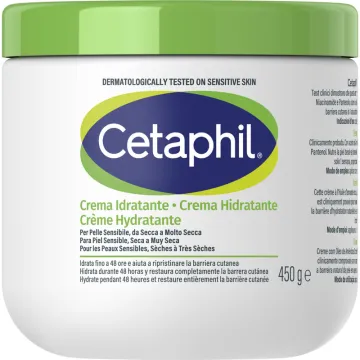
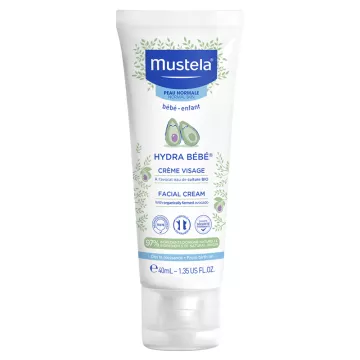
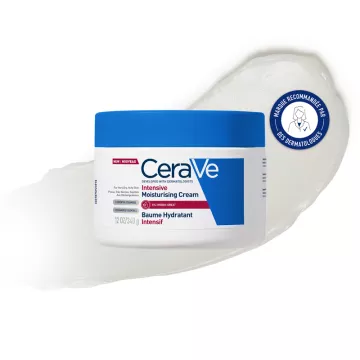
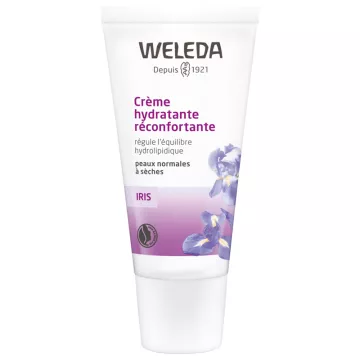
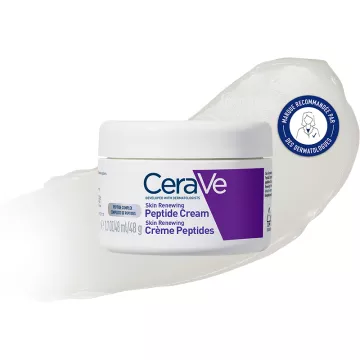
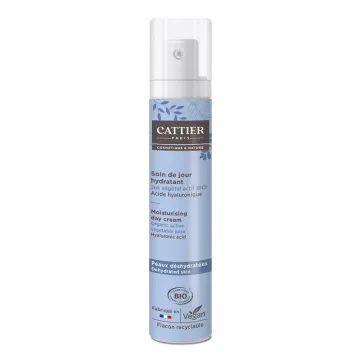
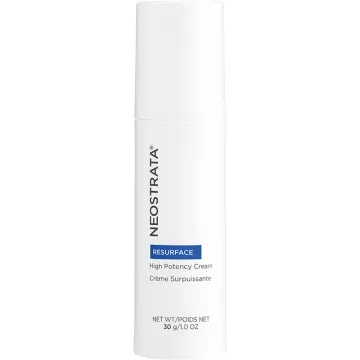
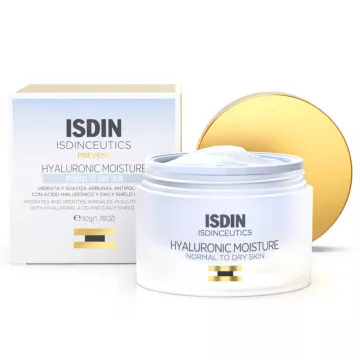
- Moisturizing creams: suitable for normal to dry skin, providing rich hydration.
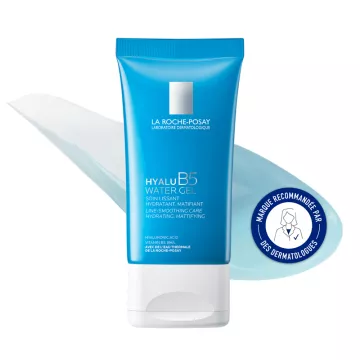
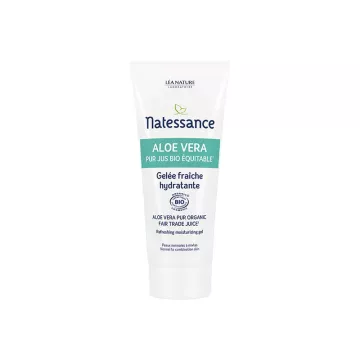
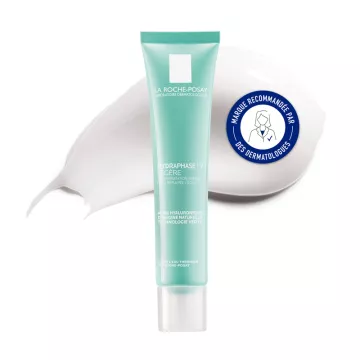
- Moisturizing gels: Light, non-greasy textures, ideal for oily or combination skin.
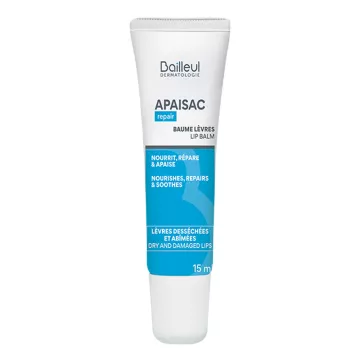
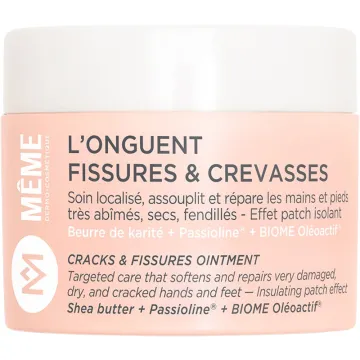
- Moisturizing balms: highly nourishing, recommended for very dry or uncomfortable skin.
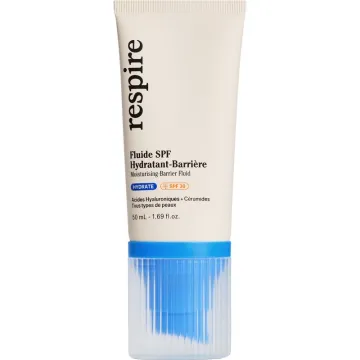
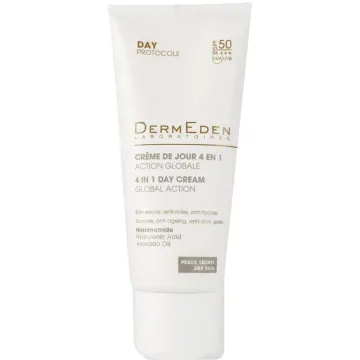
- Moisturizers with sun protection: combine hydration with UV filters.
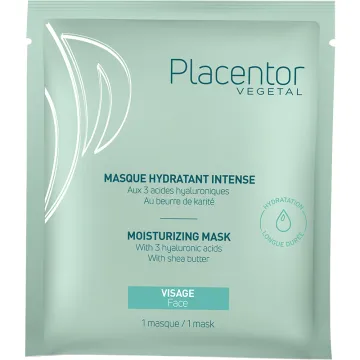
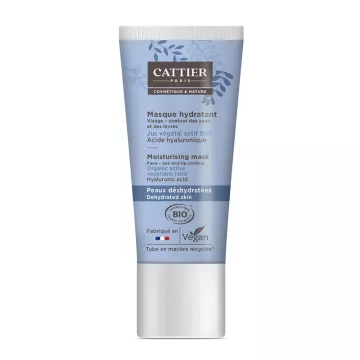
- Moisturizing masks: for occasional weekly use, providing intensive hydration.
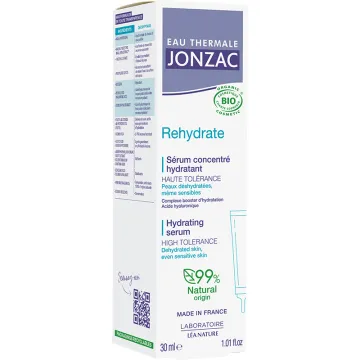
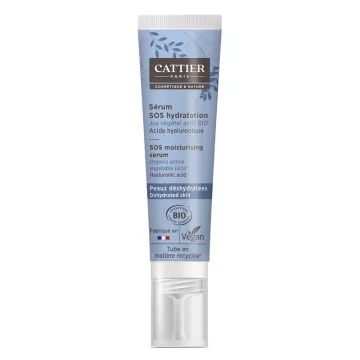
- Moisturizing serums: fluid textures with a high concentration of humectants.
How do I choose a moisturizer that’s right for my skin type?
The choice of a moisturizer depends on your skin type:
- Dry skin: creams rich in shea butter, ceramides, plant oils, and glycerin.
- Oily skin: Light textures (gels, fluids), non-comedogenic formulas that help control shine.
- Combination skin: Balanced products that provide sufficient hydration without weighing down the T-zone.
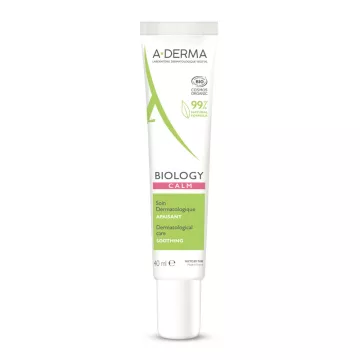
- Sensitive skin: Fragrance-free and denatured alcohol-free formulas with soothing active ingredients such asaloe vera or panthenol.
- Mature skin: Formulas enriched with peptides, hyaluronic acid of varying molecular weights, and antioxidants.
Check the full INCI list to identify any known allergens.
What are the essential ingredients in a moisturizer?
Several active ingredients characterize a good moisturizer:
- Hyaluronic acid: a major humectant capable of retaining up to 1,000 times its weight in water.
- Glycerin: a recognized natural humectant that draws moisture into the skin’s outer layers.
- Ceramides: natural lipids found in the skin barrier that visibly support its protective function.
- Niacinamide: soothes feelings of discomfort and improves skin texture.
- Panthenol (vitamin B5), allantoin: complementary soothing agents.
- Plant-based oils such asjojoba oil or sweet almond oil: nourish and support skin suppleness (to be distinguished from essential oils, which are more delicate).
How often should I apply a moisturizer?
A moisturizer is generally applied twice a day:
- In the morning: to prepare the skin for external aggressors (pollution, sun, wind); to be followed by sunscreen with an SPF of at least 30.
- In the evening: to support the skin’s natural recovery process while you sleep.
If you experience significant discomfort or tightness during the day, you can apply an additional product (hydrating mist, balm).
Adjust the formula to the season: richer in winter, lighter in summer.
What are the long-term benefits of using a moisturizer?
Regular use of a moisturizer provides several cosmetic benefits:
- Improved skin texture and appearance.
- Visible reduction of signs of aging (dehydration lines, loss of suppleness).
- Visible support for the skin barrier against external aggressors.
- Reduces feelings of discomfort, tightness, and flaking.
- Skin appears more luminous and radiant.
- Improved skin tolerance to other skincare products (active serums, makeup).
What mistakes should you avoid when using a moisturizer?
To maximize the benefits of your moisturizer, there are several mistakes to avoid:
- Applying it to completely dry skin: For best results, apply it to slightly damp skin (right after a shower or cleansing) to maximize absorption.
- Usinga formula unsuitable for your skin type: a cream that’s too rich for oily skin (which can lead to breakouts) or too light for very dry skin (causing persistent discomfort).
- Forgetting the neck and décolletage: These areas are just as exposed as the face and require the same care.
- Overuse: piling on too many products, which can overwhelm the skin; underuse: insufficient results.
- Combining potent active ingredients with an intensive moisturizer: test combinations gradually (retinol, AHA, BHA, vitamin C).
Are moisturizers suitable for all ages?
Moisturizers are essential at any age, with needs that evolve over time:
- Teens: lightweight, non-comedogenic formulas free of heavy oils; helps minimize the appearance of blemishes. Moderate to severe acne: a dermatology consultation is essential.
- Young adults (ages 20–35): prevention with antioxidants (vitamin C, vitamin E, niacinamide).
- Adults (ages 35–50): Formulas enriched with hyaluronic acid of varying molecular weights and bioengineered peptides.
- Mature skin (age 50 and older): nourishing formulas with bio-engineered peptides, retinol (evenings only), antioxidants, and ceramides. Retinol: photosensitizing; use SPF 30 or higher the following day; not recommended during pregnancy or while breastfeeding.
Important note: Collagen used in cosmetics is too large a molecule to penetrate the dermis; its action remains superficial (moisturizing film effect). Peptides and retinol are more effective at visually supporting firmness.
How can I maximize the effectiveness of my moisturizer?
To get the most out of a moisturizer:
- Gently cleanse with a product suited to your skin type.
- Exfoliate moderately (1 to 2 times a week at most) to support skin renewal. AHA/BHA products are photosensitizing (minimum SPF 30) and are not recommended for pregnant or breastfeeding women.
- Apply to slightly damp skin immediately after showering or cleansing to lock in moisture.
- Applya targeted serum before the moisturizer for specific results (radiance, anti-aging, anti-blemish).
- Apply sunscreen with a minimum SPF of 30 in the morning; this is essential even in winter.
A consistent routine over several weeks is more effective than occasional use of multiple products.
When are the best times to use a moisturizer?
You can step up your use of a moisturizer in several situations:
- In winter: cold air, wind, and central heating dry out the skin.
- After prolonged sun exposure: when the skin is heated and dehydrated, as a complement to a soothing after-sun treatment.
- Duringperiods of stress, lack of sleep, or an unbalanced diet: factors that affect the skin’s appearance.
- After a flight: dry cabin air can lead to dehydrated skin.
- Seasonal changes: adapting to new environmental conditions affecting the skin.
- After introducing a potent active ingredient (retinol, acids): skin is temporarily more sensitive.
Severe and persistent dryness despite a suitable moisturizing routine: consult a dermatologist to rule out an underlying condition (atopic dermatitis, ichthyosis, eczema).