
"Milk coming in " refers to the physiological moment when milk production shifts from colostrum—secreted at the end of pregnancy—to an abundant supply of mature milk. This phenomenon usually occurs between the 2nd and 5th day after delivery, though it may occur slightly later following a cesarean section, a preterm birth, or the birth of a first child.
Colostrum, secreted in small quantities during the first few days, is a thick, yellowish liquid that is particularly rich in antibodies, immune factors, and proteins. It fully meets the newborn’s needs before the milk comes in. The mature milk that follows is whiter, thinner, produced in increasing volumes, and perfectly adapted to the baby’s changing needs. Hormonally, the drop in progesterone and the increased secretion of prolactin trigger and sustain lactation. Additional resources are available forbreastfeeding and infant care in general.
Several signs accompany the onset of milk production:
The intensity of these signs varies considerably from one woman to another. A fever above 38.5 °C, a red, hot, and very painful breast, chills, or severe fatigue require immediate medical attention: these signs may indicate mastitis, which requires medical treatment.
Physiological engorgement in the first few days is uncomfortable but temporary. Several measures can effectively relieve it:
If engorgement is not relieved, it can develop into mastitis (inflammation, fever, severe pain in one breast), which requires prompt medical attention. Specific resources are available for nipple cracks in general.
Several strategies support healthy milk production:
To stimulate lactation in general, specific resources are available. A consultation with a midwife or an IBCLC lactation consultant remains invaluable if you have persistent concerns about milk production.
No single food is strictly necessary for successful lactation. A varied and balanced diet is sufficient. Some particularly beneficial foods include:
Certain foods should be limited or avoided: alcohol (ideally avoided entirely, or consumed well before breastfeeding), excessive caffeine (limit to 200 mg per day), fish high in mercury (swordfish, shark, marlin), and ultra-processed foods. Vitamin D for both mother and baby is still recommended by a doctor’s prescription. For general fatigue, specific resources are available.
A breast pump can be useful in several situations: to maintain or stimulate lactation, relieve engorgement, express milk in preparation for returning to work or an absence, feed a premature or hospitalized baby, or feed a baby who has difficulty latching. There are two main types:
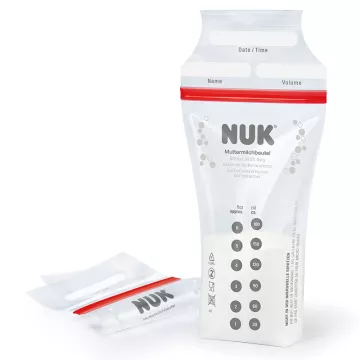
Expressed milk can be stored for 4 hours at room temperature, 4 days in the refrigerator at a maximum of 4 °C, and 6 months in the freezer at -18 °C. Thaw in the refrigerator or in a warm water bath—never in the microwave. Thawed milk can be stored for 24 hours in the refrigerator and should not be refrozen. Specific resources are available regarding infant formula and infant colic in general.
Several signs may indicate insufficient milk supply: insufficient weight gain in the baby (to be compared with growth charts), fewer than 5 to 6 wet diapers per day after day 5, infrequent stools, the baby constantly seeming hungry after feedings, excessive drowsiness, and signs of dehydration. All of these signs warrant a prompt consultation with a pediatrician, primary care physician, midwife, or lactation consultant.
Most situations that cause maternal concern actually reflect adequate milk supply but a distorted perception. Several practical strategies can support milk production: increase the frequency of feedings (every 1 to 2 hours during the day if needed), check the positioning and latch, practice extended skin-to-skin contact, use a breast pump after feedings if needed, treat any pain or cracked nipples that may be inhibiting lactation, and consider galactagogue herbs as advised by a pharmacist. Your pharmacist remains a valuable resource to support you during this time, in addition to medical follow-up and guidance from an IBCLC lactation consultant.