0
Menu

How about soothing your baby's scabs?

Filter
Number of products : 10
Sort
Sort
Close
Pranarom Organic Sweet Almond Vegetable Oil Pranarom Organic Sweet Almond Vegetable Oil
50 ml 100 ml
€6.29
Add to cart
Shipped within 24h
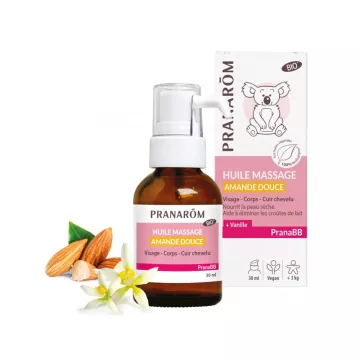
Pranabb Sweet Almond Baby Massage Oil 30 ml Pranabb Sweet Almond Baby Massage Oil 30 ml
€6.29
Shipped within 24h
Mustela Baby & Child Cradle Cap Treatment 40 ml Mustela Baby & Child Cradle Cap Treatment 40 ml
€15.35
Shipped within 24h
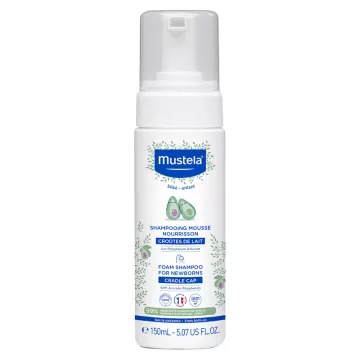
Mustela Baby & Child Cradle Cap Foam Shampoo 150 ml Mustela Baby & Child Cradle Cap Foam Shampoo 150 ml
€9.65
Shipped within 24h
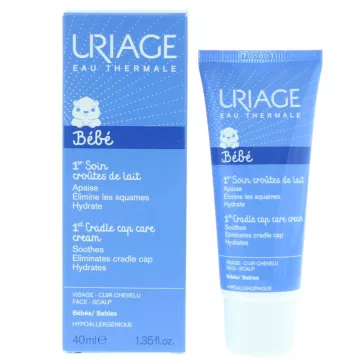
Uriage Bébé 1er Soin Croutes de Lait 40 ml Uriage Bébé 1er Soin Croutes de Lait 40 ml
€12.49
Shipped within 24h
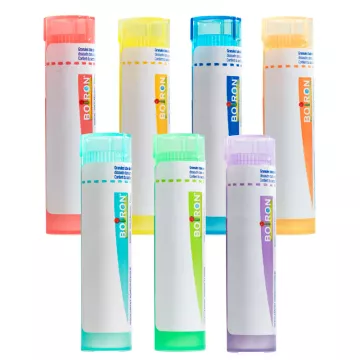
Nerium Oleander Boiron Homeopathic Granules Nerium Oleander Boiron Homeopathic Granules
4 C 5 C +
€2.99
Add to cart
In stock - preparation within 1 to 2 working days
Cicuta Virosa Boiron - Homeopathic Granules and Doses Cicuta Virosa Boiron - Homeopathic Granules and Doses
4 C Tube 80 granules 4 g. +
€2.99
Add to cart
In stock - preparation within 1 to 2 working days

What is cradle cap?

Cradle cap, or infantile seborrheic dermatitis, is a very common and benign skin condition that affects about one in two infants between birth and 12 months of age. It presents as yellowish or whitish, scaly patches—sometimes oily, sometimes dry—primarily located on the scalp.

The most commonly affected areas are the top and front of the head, but the patches can also spread to the eyebrows, eyelids, the retroauricular fold (behind the ears), and, more rarely, the diaper area or skin folds. Despite its sometimes alarming appearance, cradle cap is neither painful nor contagious, and in no way indicates poor hygiene. It usually clears up on its own before the age of 12 to 18 months. For infants and babies in general, additional resources are available.

What are the causes?

The exact cause of cradle cap is not fully understood, but several factors have been identified:

  • Transient hyperseborrhea: Sebum production in infants is stimulated by maternal hormones that persist after birth
  • Presence of Malassezia: a yeast naturally present on the skin that feeds on sebum and can contribute to inflammation
  • Immaturity of cell turnover in the infant’s epidermis
  • The specific composition of an infant’ssebum, which differs from that of an adult

Contrary to popular belief, cradle cap has no connection to food intolerance, a milk allergy, or dietary mistakes by the breastfeeding mother. The term “cradle cap” is historically misleading and actually refers to pediatric seborrheic dermatitis. Specific resources are available forbreastfeeding in general.

How can it be treated gently?

Treatment relies on simple, gentle, and gradual care, with no need for medical intervention in most cases. The golden rule is to never scratch off the crusts, as this could damage the delicate skin and lead to a secondary infection. Recommended steps:

  • Apply a mild vegetable oil (sweet almond, calendula, coconut, jojoba) to the crusts in the evening before bedtime
  • Leave it on overnight or for at least 30 minutes to several hours
  • Gently brush in the morning with a soft brush with natural bristles to remove the softened scales
  • Gently wash with a special baby shampoo that is free of harsh soaps and fragrances
  • Rinse thoroughly with lukewarm water
  • Pat dry with a soft towel
  • Repeat 2 to 3 times a week until the condition clears up

Some specialized gels and creams are available at pharmacies, formulated to help gently loosen the crusts. They should be used as a short-term treatment, ideally under the guidance of a pharmacist or pediatrician. Specific resources are available for baby shampoo andbaby skin care products in general.

When should you see a doctor?

Although cradle cap is usually benign and resolves on its own, there are several situations that warrant a pediatric consultation:

  • Significant spread beyond the scalp (face, torso, skin folds, diaper area)
  • Significant redness, oozing, honey-colored crusts, or pus (suggesting a secondary infection)
  • Intense itching with the baby appearing uncomfortable, restless, or irritable
  • Bleeding after brushing
  • Lesions persisting beyond 12 to 18 months
  • Involvement of the diaper area with unusual lesions
  • Fever or altered general condition
  • Diagnostic uncertainty with eczema, psoriasis, or another skin condition

Depending on the case, the pediatrician may prescribe an appropriate antifungal cream (ketoconazole) or a low-potency topical corticosteroid for a very short course of treatment. Self-medication with corticosteroids or antifungals is not recommended for infants without medical advice.

How can it be prevented?

No method can completely prevent the onset of cradle cap, which remains a temporary physiological phenomenon. However, certain measures can help limit its spread:

  • Gently wash the scalpdaily with lukewarm water and a specific pediatric shampoo
  • Avoid baths that are too frequent or too hot, as they dry out the skin and stimulate reactive sebum production
  • Avoid harsh products on the baby’s skin: fragrances, alcohols, and routine antiseptics
  • Gently massage the scalp regularly with a mild vegetable oil, without rubbing or scratching
  • Gentlybrush the hair daily with a soft, natural-bristle brush
  • Allow the scalpto breathe: avoid keeping hats and hoods on for too long

Good hygiene and keeping the skin supple and moisturized are your best allies for getting through this period. For general baby care, specific resources are available.

Cradle cap or another skin condition?

Several infant skin conditions can be easily confused with one another. Here are some key distinguishing features:

  • Cradle cap: yellowish or whitish scaly patches, oily or dry, mainly on the scalp, eyebrows, and behind the ears. Little or no itching, minimal redness; the baby is not bothered
  • Atopic dermatitis (eczema): red, dry, pruritic (markedly itchy) patches, often located on the cheeks and in the creases of the elbows and knees. The baby is irritable and has disturbed sleep
  • Diaper rash (diaper dermatitis): redness in the diaper area, sometimes oozing, caused by moisture and friction
  • Infant acne: small red bumps and microcysts on the face; temporary and not significantly uncomfortable
  • Milia: small, pearly-white bumps on the nose and face; benign and temporary
  • Fungal infection: red, well-defined patches, sometimes oozing, may be itchy, requiring antifungal treatment

If there is any doubt about the diagnosis, a pediatric or dermatology consultation is recommended. Specific resources are available foreczema andexcess sebum in general.

How long can this condition last?

Cradle cap occurs in flare-ups lasting from several weeks to several months, with phases of varying intensity. It typically lasts from a few weeks to 3–6 months, usually resolving spontaneously before 12 to 18 months without leaving any aftereffects or scars.

No link has been established between the duration or severity of cradle cap in infants and a subsequent risk of seborrheic dermatitis during adolescence or adulthood. Each episode is independent. A late recurrence in other areas (face, nasolabial folds, scalp, skin folds) during adolescence or adulthood is classified as adult seborrheic dermatitis, which is a distinct condition and requires specific treatments. For irritated scalps and sensitive scalps in general, specific resources are available.

Which products should you choose?

When treating cradle cap, several criteria guide product selection:

  • Specialized baby shampoos: formulated without soap, fragrance, or harsh sulfates, with a pH balanced for the skin
  • Mild plant-based oils: sweet almond (unless there is a family history of nut allergies), calendula, coconut, jojoba
  • Specialized babyexfoliating gels or lotions: apply briefly before shampooing
  • Soft brushes with flexible natural bristles or food-grade silicone
  • Well-known brands available at pharmacies or drugstores (Mustela, Klorane Bébé, Uriage Bébé, Bioderma ABCDerm, Avène Pédiatril, La Roche-Posay Lipikar Baby)

Avoid: olive oil (promotes the proliferation of Malassezia according to several recent studies), adult shampoos (too harsh), perfumed or alcohol-based products, depilatories, keratolytics, vigorous brushing, and manually scraping off adherent crusts. Your pharmacist remains a valuable resource to guide you through these initial steps in caring for your baby’s scalp, in addition to regular pediatric follow-up.