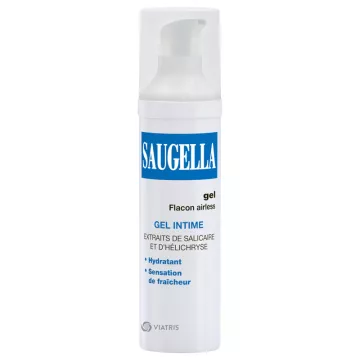
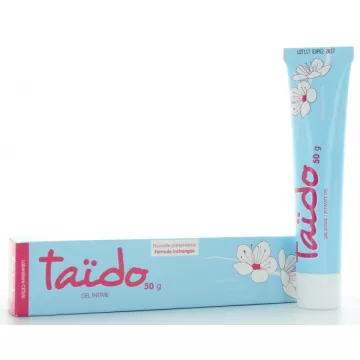
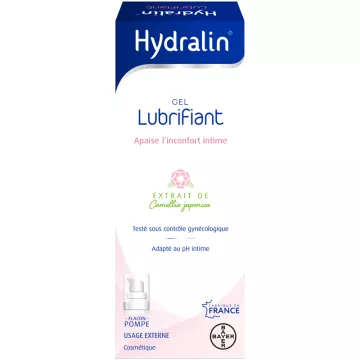
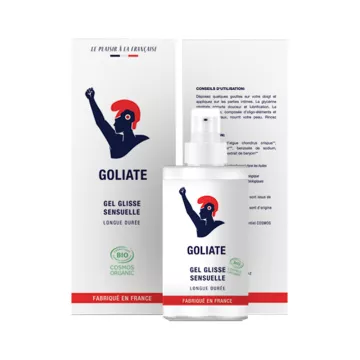
An intimate lubricating gel is a formulation designed to reduce friction on mucous membranes and improve comfort. The key active ingredients in a high-quality gel are:
Bisabolol (alpha-bisabolol, German chamomile) is one of the best-tolerated cosmetic active ingredients for hypersensitive mucous membranes. It inhibits NF-kB and COX-1, reducing local inflammation in irritated mucous membranes. It accelerates healing by stimulating fibroblast proliferation and collagen synthesis, and exhibits mild antimicrobial activity against Candida albicans without disrupting protective Lactobacillus. Recommended concentration in lubricating gels: 0.1 to 0.5%.
Marshmallow (Althaea officinalis) is the medicinal plant richest in plant mucilages (glucuronoarabinoxylan). These polysaccharides form a viscoelastic film on the mucous membranes that mimics the natural protective mucous layer—unlike conventional lubricants, which work by reducing friction. The polysaccharide network retains water more effectively than glycerin, reducing persistent dryness. Its aqueous extract inhibits inflammatory mediators in the mucosal epithelium.
Centella asiatica (Gotu Kola) contains triterpenes (asiaticoside, madecassoside) that stimulate VEGF and TGF-β, accelerating the repair of the vaginal epithelium damaged by dryness or micro-lesions. It strengthens the vaginal capillary wall, improving pelvic microcirculation and promoting the epithelium’s natural hydration. Clinical studies confirm its effectiveness in healing mucous membranes and reducing mild vaginal atrophy during perimenopause.
For natural oil-based lubricants (incompatible with latex condoms):
Sweet almond oil (Prunus amygdalus var. dulcis) is rich in oleic acid (omega-9, 70%) and linoleic acid (omega-6, 20%)—natural components of vaginal epithelial membranes. Topical application restores the mucosal lipid film damaged by dryness, hormone therapy, or chemotherapy. With its mild emollient properties, it improves epithelial elasticity and reduces micro-lesions caused by friction. Gynecological studies confirm its effectiveness in treating mild postmenopausal vaginal atrophy without hormonal therapy.