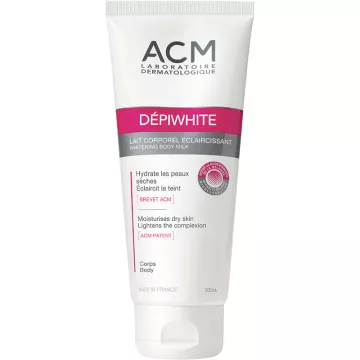
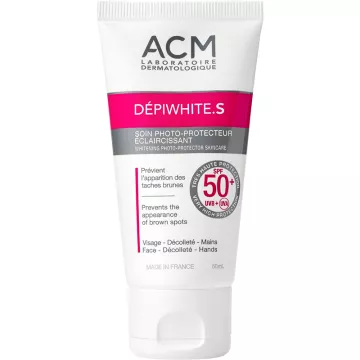
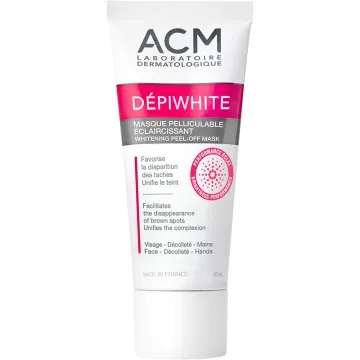
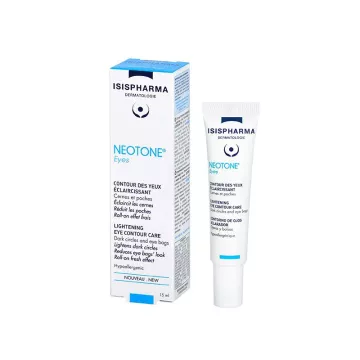
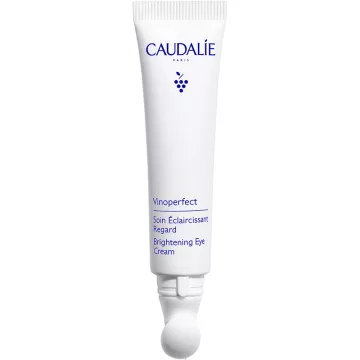
Skin Lightening: What Is It?
In dermo-cosmetics,skin lightening refers to the targeted reduction of hyperpigmented areas of the skin. Key details:
- Intended target: localized areas of hyperpigmentation (sunspots, melasma, post-acne marks, uneven skin tone)
- Goal: to restorean even skin tone, not to alter the skin’s natural color
- Mechanism: modulation of melanin production by melanocytes
- A cosmetic approach distinct from practices of intentional depigmentation of the entire skin, which are hazardous to health and discouraged by health authorities
- Gradual results visible over several weeks to several months
- Strict sun protection is essential for any skin-lightening regimen
- Pharmacy-grade skincare products formulated with safe, well-documented active ingredients
For pigment spots andhyperpigmentation, additional resources are available to support you. Our anti-spot section offers suitable products.
Which cosmetic active ingredients are safe?
Several ingredients are recognized for their safety and effectiveness:
- Vitamin C (L-ascorbic acid, stabilized derivatives): an antioxidant that helps promote a radiant and even complexion; use in the morning
- Niacinamide (vitamin B3): improves the visible appearance of the complexion, soothes redness, and is well-tolerated
- Azelaic acid: effective against dark spots and blemishes; one of the safest options, even during pregnancy, according to medical advice
- Arbutin: a natural pigmentation-regulating derivative, well-tolerated
- Kojic acid: a pigmentation modulator; should be introduced gradually
- Tranexamic acid in cosmetics: acts on hyperpigmentation
- Glabridin (licorice extract): a pigmentation modulator
- AHAs (glycolic, lactic, and mandelic acids): gentle exfoliants that support cell renewal (photosensitizing)
- Salicylic acid (BHA): effective for post-acne marks
- Cosmetic retinol: promotes cell renewal (use only at night; photosensitizing; contraindicated during pregnancy and breastfeeding)
- Resveratrol and polyphenols: plant-based antioxidants
- Vitamin E: an antioxidant that works in synergy with vitamin C
- Soy, white mulberry, bakuchiol: targeted plant-based active ingredients
Combining complementary active ingredients in a balanced formula often yields the best results.
What medical treatments are available?
For stubborn or widespread dark spots, several medical options are available:
- Hydroquinone in France is available only by dermatologist prescription (contraindicated during pregnancy and breastfeeding; risk of exogenous ochronosis with prolonged, unsupervised use)
- Topical medical retinoids (tretinoin, adapalene) by prescription: teratogenic, contraindicated during pregnancy and breastfeeding
- Kligman’s triple combinations: regimens available only by strict prescription under dermatological supervision
- Superficial to mediumchemical peels performed in a medical office (glycolic acid, mandelic acid, mild TCA, salicylic acid)
- Pigment lasers: Q-switched (Nd:YAG, alexandrite, ruby), picosecond
- Intense pulsed light (IPL) for lentigines and skin tone improvement
- Fractional ablative or non-ablativelasers
- Microneedling with or without depigmenting solutions, by prescription
- In-officemicrodermabrasion
These treatments are strictly the domain of dermatologists or aesthetic physicians. A preliminary consultation is essential to assess the indication, skin type, contraindications, and expected outcomes.Self-medication with over-the-counterhydroquinone is strongly discouraged (due to documented adverse effects).
How to Choose the Right Skin-Lightening Treatment?
Several criteria guide the selection:
- Type of dark spot: sun-induced, hormonal (melasma), post-inflammatory, mixed
- Skin type: dry, combination, oily, sensitive
- Skin type: darker skin tones are at higher risk of paradoxical hyperpigmentation; specific active ingredients should be chosen
- Extent of dark spots: localized (targeted treatment) or diffuse (comprehensive treatment)
- Depth: epidermal (better cosmetic response) or dermal (often insufficient for cosmetic treatment)
- Individual tolerance to concentrated active ingredients
- Hormonal context: pregnancy, breastfeeding, menopause (adapted formulations)
- Compatibility with other products in the skincare routine
- Includedsun protection or separate application
- Consult a pharmacist if in doubt
A dermatology consultation is recommended in cases of widespread, long-standing, or stubborn spots, or if there is diagnostic uncertainty (atypical, evolving, or asymmetrical lesions). Always consult your pharmacist to identify the formulation best suited to your needs.
What precautions should be taken before use?
Several precautions are essential:
- Conduct a 48-hourpatch test on the inner elbow before the first application
- Gradually introduce concentrated active ingredients (retinol, AHA, BHA)
- Avoid using multiple irritating active ingredients simultaneously (retinol + AHA + concentrated vitamin C)
- Apply onlyto healthy skin (avoid damaged skin, active eczema, or open wounds)
- Avoid the eye area and mucous membranes unless otherwise indicated
- Use SPF 30 to 50+sunscreen daily (most active ingredients are photosensitizing)
- Consult a healthcare professional beforehand if you have sensitive or reactive skin, or a history of skin reactions
- Follow the recommendedconcentrations and application frequencies
- Store away from light and heat
- Observe the PAO (Period After Opening)
Main contraindications:
- Pregnancy and breastfeeding: Avoid hydroquinone, prescription retinoids, highly concentrated cosmetic retinol, and concentrated chemical peels
- Damaged skin, active eczema, active rosacea
- Known allergies to preservatives or active ingredients
- Dark skin type: use concentrated active ingredients with caution (risk of paradoxical hyperpigmentation)
- Children and adolescents unless otherwise indicated by a dermatologist
What results can be expected, and how long will it take?
Results may vary:
- First visiblesigns appear in 4–6 weeks: radiance, gradual evenness
- More pronounced results after 8–12 weeks of regular use
- Significant reduction over 3 to 6 months
- Superficial epidermal spots: better response, faster results
- Deep dermal spots: partial response; medical procedures are often required
- Melasma: improvement possible but frequent recurrences (medical follow-up recommended)
- Post-acne pigmented scars: gradual improvement over several months
Factors for success:
- Strict sun protection (without which treatment efforts are negated)
- Consistent application without premature discontinuation
- Patience and tolerance for the time required
- A combined approach (topical treatments + diet + lifestyle)
- Consult a dermatologist if the treatment is ineffective
- Acceptance of the limitations of cosmetics alone
No cosmetic treatment produces dramatic results in just a few days. For age spots in particular, a minimum of 3 months is needed to assess effectiveness.
What daily routine should you follow?
A consistent routine yields results:
In the morning:
- Gently cleanse with micellar water or a suitable cleanser
- Optional:floral water or a soothing toner
- Antioxidantvitamin C serum for a radiant complexion
- Targeted anti-dark spot cream on affected areas
- Moisturizer applied to the entire face
- Specificeye contour treatment
- SPF 30 to 50+ sunscreen is essential as the final step
At night:
- Thoroughly remove makeup
- Follow up with agentle cleanse
- Targeted serum (cosmetic retinol, niacinamide, or azelaic acid, depending on the night)
- Targeted anti-dark spot cream on affected areas
- Nourishing night cream without SPF
- Specificeye contour treatment
- Finishingplant-based oil for dry skin
Weekly: gentle exfoliation 1–2 times to optimize the penetration of active ingredients; a suitable mask 1–2 times as needed.
What side effects should you watch for?
Several reactions may occur:
- Initialtingling or warmth (usually temporary)
- Temporaryredness
- Dryness and tightness
- Superficial peeling
- Increased sensitivity to the sun when using photosensitizing ingredients
- Paradoxical hyperpigmentation in people with dark skin types if used improperly
- Contact dermatitis and eczema
- Allergic reactions to preservatives, fragrances, or active ingredients
- Exogenous ochronosis: a serious risk with prolonged use of hydroquinone without medical supervision
- Skin atrophy with prolonged topical corticosteroid therapy
- Persistentitching
- Paradoxical breakouts (transient purging with retinol or AHAs)
What to do:
- Discontinue use immediately if a severe reaction occurs
- Rinse with lukewarm, clear water
- Apply a soothing treatment containingaloe vera or chamomile
- Space out applications or temporarily discontinue use
- Consult a pharmacist or dermatologist if symptoms persist
- Angioedema: medical emergency (15 or 112)
Practices to Avoid at All Costs
Certain practices are dangerous and should be avoided:
- Intentional depigmentation of the entire skin (“lightening,” “bleaching”): a dangerous practice with serious consequences, not recommended by the ANSM and the Ministry of Health
- Hydroquinone purchased without a prescription (risk of exogenous ochronosis, severe dermatitis)
- Topical corticosteroids misused for non-medical purposes (skin atrophy, telangiectasia, stretch marks, dependence, systemic complications)
- Homemade mixtures of skin-lightening products
- Pure lemon juice on the skin: phytophototoxic, worsens dark spots instead of lightening them, causes burns due to photosensitivity
- Citrus essential oils before sun exposure (bergamot, lemon, bitter orange)
- Vinegar, bleach, mercury, lead: toxic substances used in certain illegal products
- Uncertified products purchased online or outside regulated channels
- Intentionalsun exposure to “even out” skin tone
- UV tanning beds (classified as a Group 1 carcinogen by the IARC)
- Concentrated peels used without medical supervision
The ANSM regularly issues warnings about the dangers of skin-lightening products containing banned substances. Use only products formulated by a pharmacist or prescribed by a dermatologist.
How can you maintain the results?
Maintaining results depends on a long-term approach:
- Strict, lifelong sun protection with SPF 30 to 50+ daily (key factor #1)
- Apply a sufficient amount: 2 mg/cm² (one teaspoon for the face)
- Reapply every 2 hours when exposed to the sun and after swimming
- Wide-brimmed hat, UV-protective sunglasses, and UV-protective clothing
- Strict avoidance of tanning beds
- Consistent use of a skincare routine adapted to your changing needs
- Synergistic use oftopical and dietary antioxidants
- A balanced diet rich in colorful fruits and vegetables, omega-3s, and carotenoids
- Oral hydration: 1.5 to 2 L of water per day
- Targeteddietary supplements based on pharmaceutical advice (our natural antioxidants section offers recommendations)
- RegularABCDE self-examination
- Annual or biannualdermatology consultation
- Adapting to hormonal changes (pregnancy, birth control, menopause)
- Quitting smoking (Tobacco Info Service: 3989) and limiting alcohol consumption
- Periodic touch-ups for any cosmetic procedures, as recommended by a doctor
Without rigorous sun protection, dark spots will quickly reappear. To maintain an even complexion and a healthy glow, a comprehensive, long-term strategy combining topical treatments, a healthy lifestyle, and any necessary medical procedures yields the most lasting results. Your pharmacist remains a valuable resource for tailoring this strategy to the changing needs of your skin and coordinating with your dermatologist.