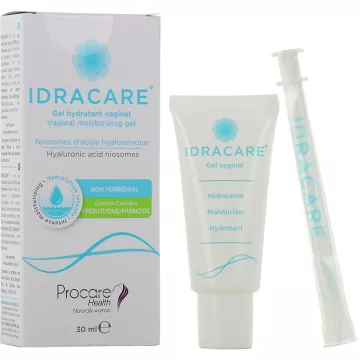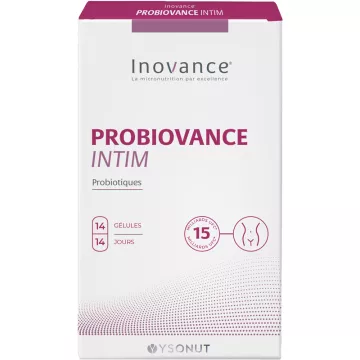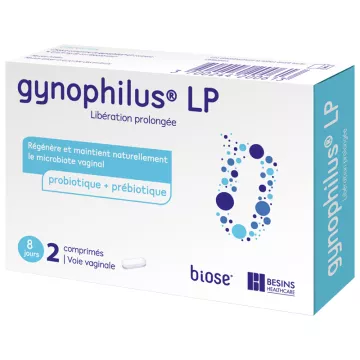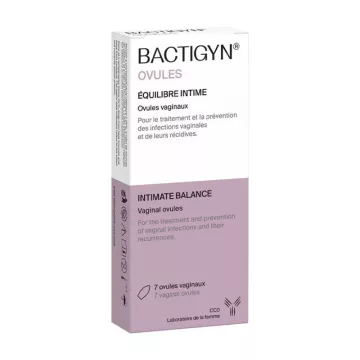

Intimate comfort refers to the absence of discomfort, pain, or irritation in the genital and pelvic areas. It directly affects quality of life, reproductive health, and emotional well-being. Maintaining intimate comfort depends on the balance of the vaginal flora, maintaining a slightly acidic pH (between 3.8 and 4.5), and avoiding external irritants. Any disruption to this delicate balance can lead to infections, itching, and dryness.
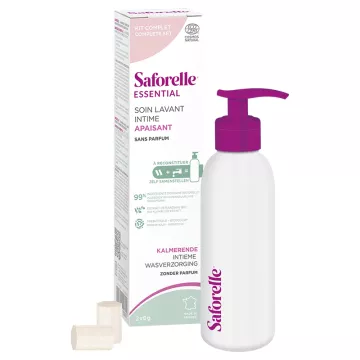
Several simple practices provide long-term protection for intimate comfort. Using a pH-neutral or slightly acidic cleansing gel, free of fragrances and dyes, respects the natural flora. Wearing cotton underwear promotes ventilation and reduces moisture buildup that fosters bacterial growth. Avoiding vaginal douches—which destroy protective lactobacilli —is one of the most important preventive measures. Thoroughly drying the intimate area after showering limits residual moisture that can lead to yeast infections.
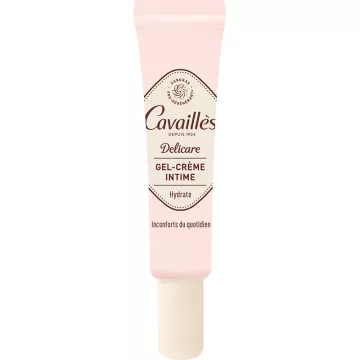
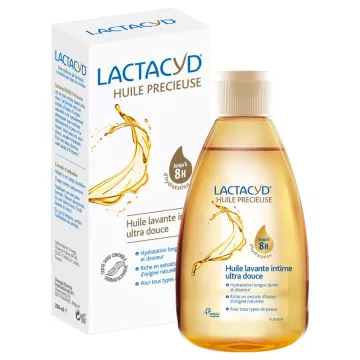
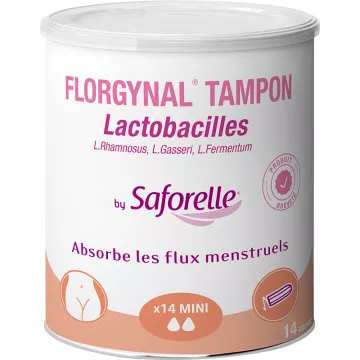
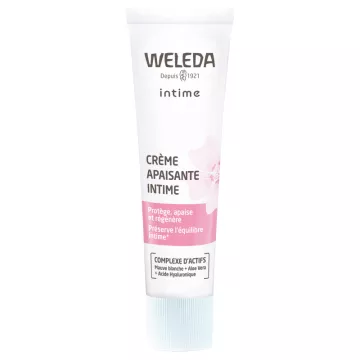
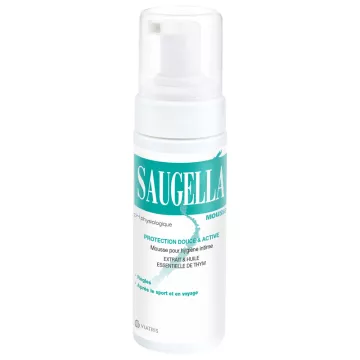
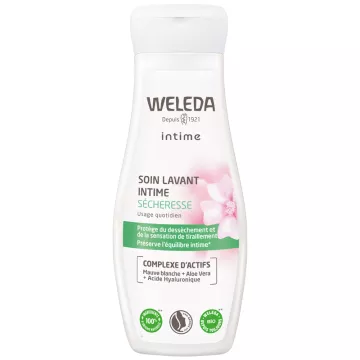
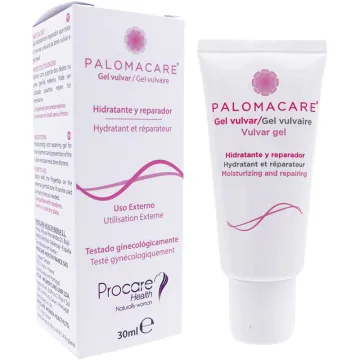
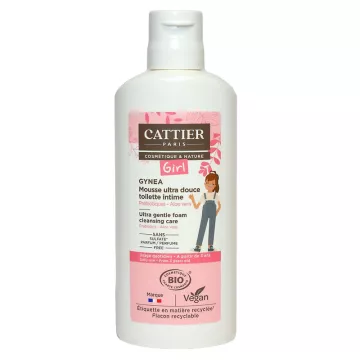
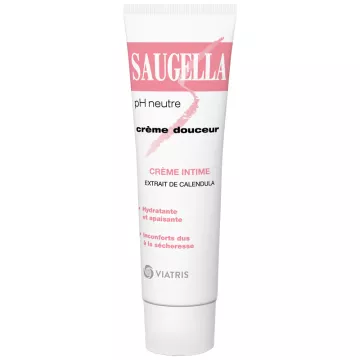
Intimate hygiene products should be formulated without parabens, alcohol, or fragrance. Cleansing gels with a slightly acidic pH help maintain the balance of the flora. Some formulas enriched with aloe vera or calendula extract soothe sensitive mucous membranes without disrupting the vaginal environment. For menstrual protection, opt for hypoallergenic, fragrance-free pads or reusable alternatives—such as menstrual cups or period panties—to minimize long-term irritation.
Certain common habits can permanently disrupt the vaginal balance. Conventional body soaps, which are too alkaline, alter the pH and promote the growth of pathogenic bacteria. Clothing made of synthetic materials that is too tight creates a moist environment conducive to infections. Vaginal douches, even when using so-called natural solutions, destroy the protective flora and increase the risk of recurrent vaginal irritation. Scented intimate sprays are also an irritant to avoid.
Chronic stress compromises intimate comfort through several mechanisms. It weakens mucosal immunity, reducing the vaginal flora’s ability to resist pathogens. It can cause involuntary contraction of the pelvic muscles, leading to pain and discomfort. It also exacerbates vaginal dryness by disrupting hormonal secretions. Managing stress—through relaxation, yoga, and cardiac coherence—is therefore a key factor in maintaining intimate comfort.
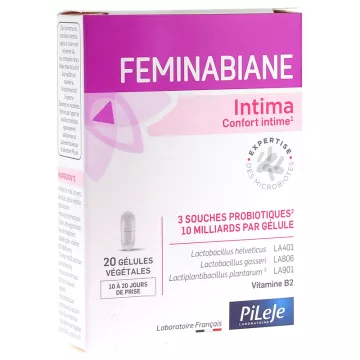
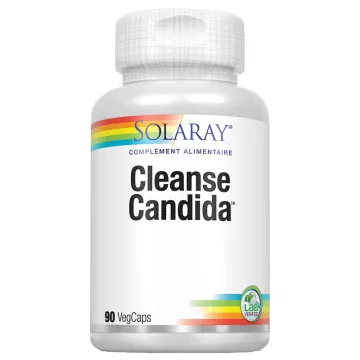
Diet directly influences intimate health. Probiotics —plain yogurt, kefir, lacto-fermented vegetables—maintain the balance of the intestinal and vaginal flora, reducing susceptibility to infections. A diet rich in fiber, fruits, and vegetables strengthens the overall immune system. Conversely, a diet too high in refined sugars promotes the growth of Candida, the main cause of vaginal yeast infections. Adequate hydration —about 1.5 to 2 liters of water per day—helps maintain the natural moisture of the mucous membranes.
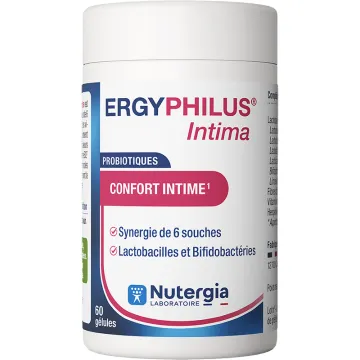
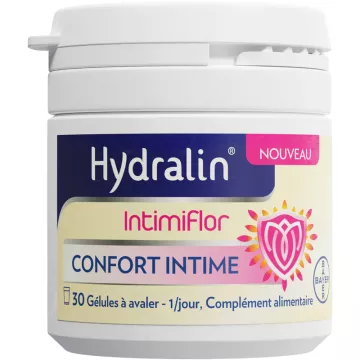
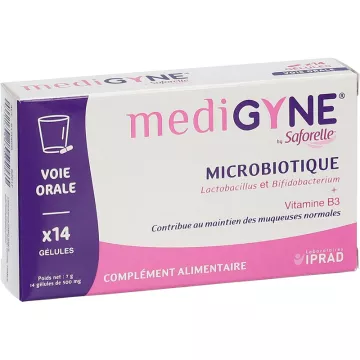
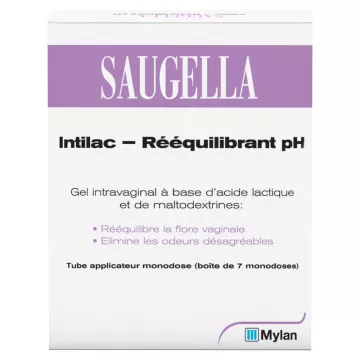
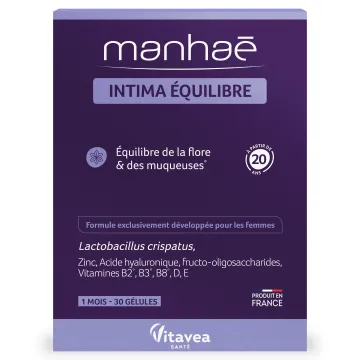
Urinary tract infections are closely linked to women’s intimate comfort. Urinating after sexual intercourse helps flush bacteria out of the urethra. Staying well-hydrated promotes frequent urination, a natural mechanism for eliminating germs. Wiping the intimate area from front to back after using the restroom helps limit contamination by fecal bacteria. To prevent recurrences, probiotic treatments tailored to the urogenital flora provide well-documented natural support.
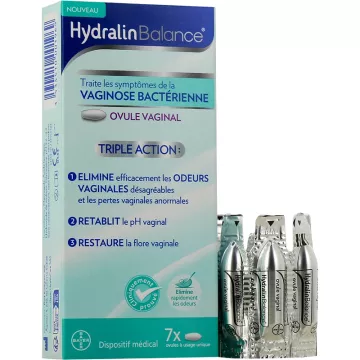
Certain symptoms require immediate medical attention: persistent itching, redness, a burning sensation during urination, discharge that is unusual in quantity, color, or odor, and bothersome vaginal dryness. These signs may indicate a yeast infection, bacterial vaginosis, a urinary tract infection, or a hormonal imbalance. Do not treat without a diagnosis: inappropriate treatment often worsens the imbalance and promotes recurrences.