An insect bite causes a local reaction—redness, swelling, itching—the severity of which varies depending on the insect and the individual’s sensitivity. Quickly identifying the insect responsible helps guide you toward the appropriate treatment and allows you to detect situations requiring special attention. Explore our complete line of insect bite care products.
How can you identify the insect responsible for the bite?
The appearance of the bite and the circumstances can help identify the insect involved.
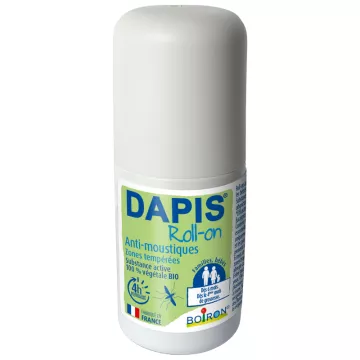
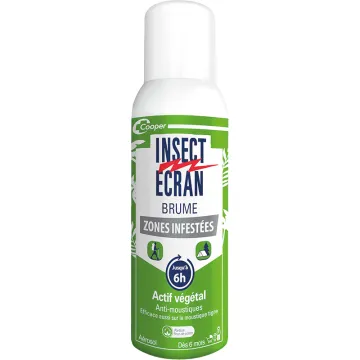
- Mosquito: small, pinkish bump with intense itching; multiple bites on exposed areas — mosquito repellent
- Wasp/hornet: immediate, sharp pain; warm swelling; no stinger left behind— wasp stings
- Honeybee: visible stinger; remove by scraping without squeezing
- Tick: visible insect still attached to the skin—remove with a tick remover; see tick prevention
- Sand fly: Bite more irritating than a mosquito bite, Mediterranean regions — sand flies and leishmaniasis
- Various flying insects (horseflies, midges): larger erythematous area — flying insects
What products can relieve an insect bite?
Three levels of treatment depending on the severity of the reaction.
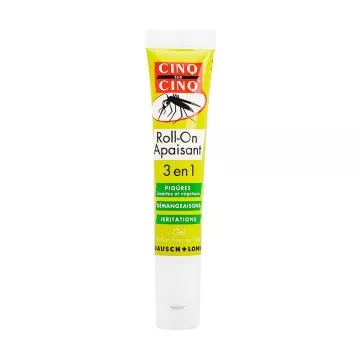
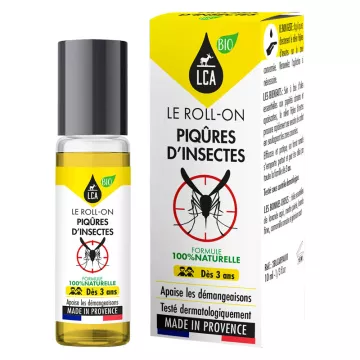
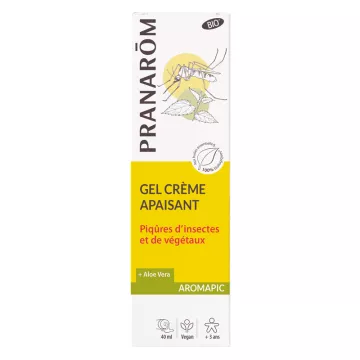
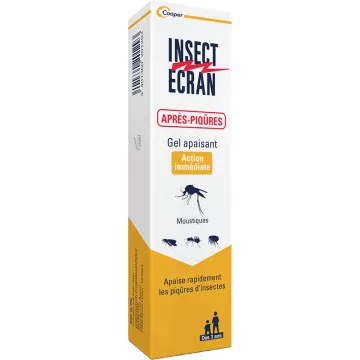
- Mild reaction: soothing anti-bite gel + cold compress for 10 minutes
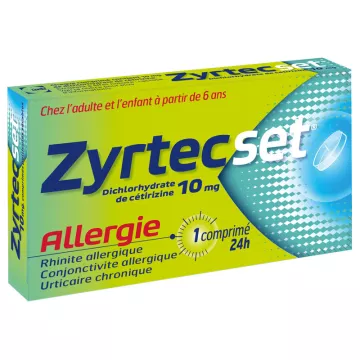
- Moderate reaction (widespread itching): oral antihistamine (cetirizine, loratadine) + soothing gel
- Disinfection: Apply a disinfectant solution to the bite site to prevent secondary infection
- Heat pen: Apply immediately after the bite; brief heat denatures the proteins in the venom
Natural remedies for stings: which ones?
Several natural ingredients effectively soothe mild reactions.
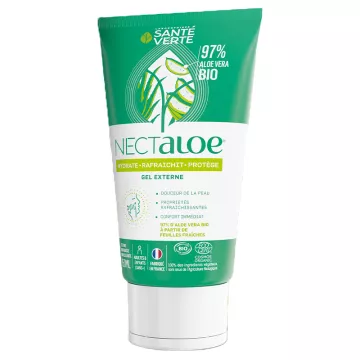
- Purealoe vera gel: soothes, moisturizes, and reduces local heat
- Baking soda paste: neutralizes the acidity of the venom (especially bee stings)
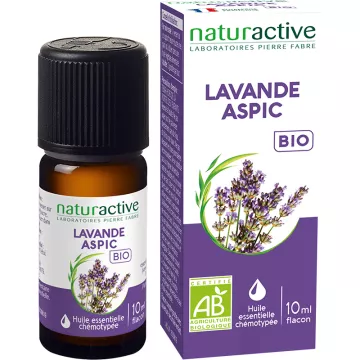
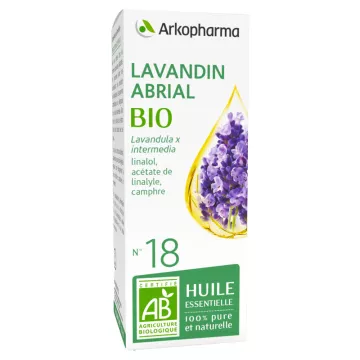
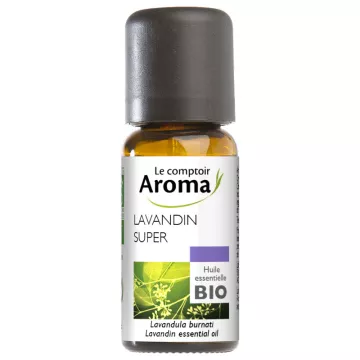
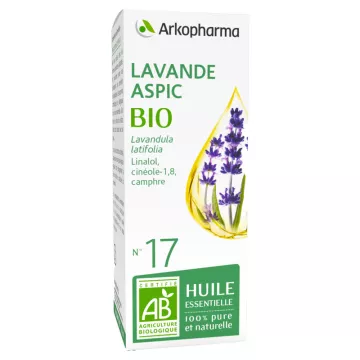
- Diluted true lavender essential oil: a few drops on the sting after a tolerance test
- These remedies are complementary and insufficient for severe reactions
Insect bites in children: what treatments?
Since children’s skin is more permeable, products must be age-appropriate.
- Immediate cold compress—avoid direct contact between ice and the skin
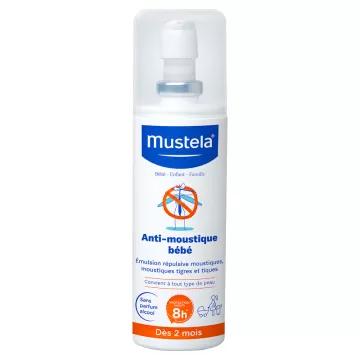
- Soothing gels specifically formulated for children, free of synthetic fragrances and alcohol
- Pure aloe vera: well tolerated even in very young children
- Oral antihistamines only as directed for the child’s age and weight—read the package insert
- Discourage scratching: keep nails short, apply the gel regularly
How can you prevent insect bites?
Prevention methods should be tailored to the target insect and the environment.
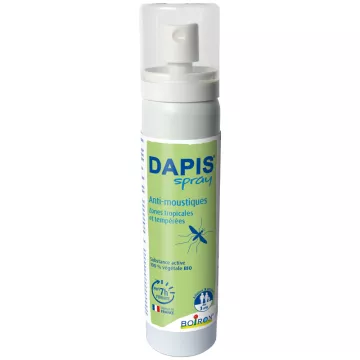
- DEET or icaridin as a topical repellent for mosquitoes, ticks, and sand flies
- Wear light-colored, loose-fitting clothing; tuck pants into socks when in the forest
- Use insecticide-treated bed nets at night in high-risk areas
- Systematically check your skin for ticks after every outing in wooded areas
Bites and Diseases: Which Insects to Watch Out For?
Depending on the geographic area, certain bites can transmit pathogens.
- Mosquitoes: malaria, dengue, and Zika in tropical areas
- Ticks: Lyme disease (erythema migrans), tick-borne encephalitis in Europe
- Sand flies: leishmaniasis in the Mediterranean region
- Watch for the onset of fever, rash, or fatigue in the weeks following a bite in an endemic area