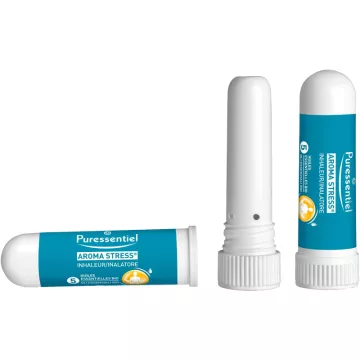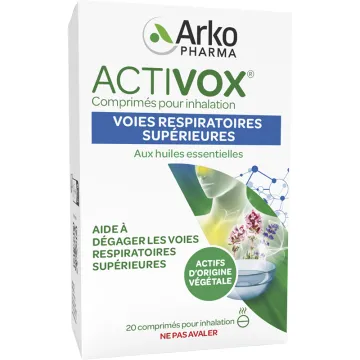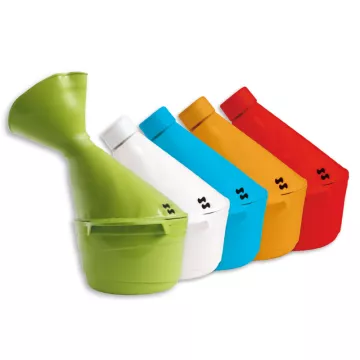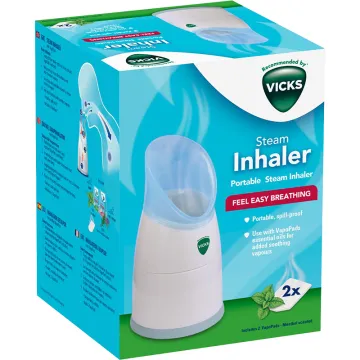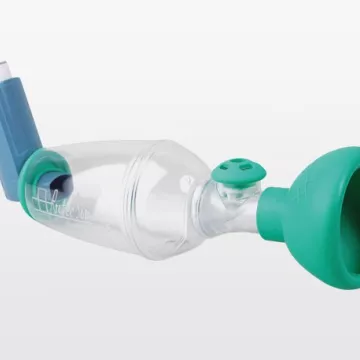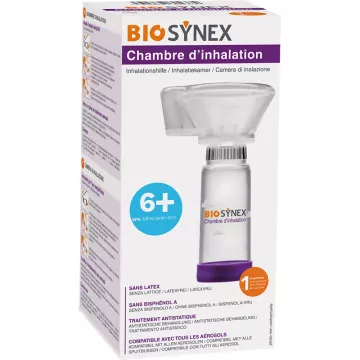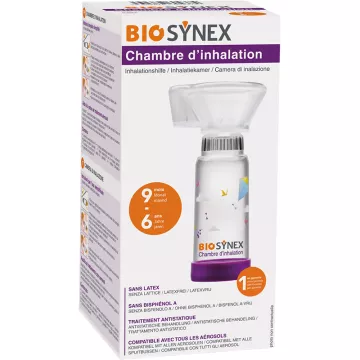
An aromatherapy inhaler is a portable, personal device designed to allow you to breathe in the aromatic molecules of essential oils directly, without dispersing them into the air. It most often comes in the form of a pocket-sized stick: a metal or plastic cylinder containing an absorbent wick impregnated with essential oils, with a nasal tip. It should not be confused witha medical inhaler (such as Ventolin and other devices prescribed for asthma and COPD), which requires a strict medical prescription. The aromatherapy inhaler stands out from other diffusion methods due to its individual and discreet use, making it ideal for on-the-go use, at the office, or while commuting. See also nebulization for premium atmospheric diffusion.
Several formats are available:
Round out the kit with a few versatile essential oils: true lavender, bergamot, lemon, peppermint, and ravintsara.
The inhaler is particularly well-suited for temporary nervous conditions that require rapid, personalized relief. Acute stress: Take 3 to 5 deep breaths from a stick infused with bergamot, petitgrain bigarade, and true lavender. Temporary anxiety attack: Inhale slowly for 30 seconds while focusing your mind on your breathing. Motion sickness or morning sickness: lemon + ginger + peppermint on a stick. Trouble falling asleep: true lavender + mandarin + Roman chamomile; take 3 deep breaths at bedtime. Energy slump at work: peppermint + cineole rosemary + bergamot.
Mild respiratory conditions (colds, seasonal congestion) are the classic targets for the inhaler:
Supplement with a course of vitamin C, zinc, and propolis. For sinus symptoms persisting beyond 7–10 days, consult a doctor.
Olfactotherapy harnesses the direct connection between the olfactory nerve and the limbic system. Standard protocol for the inhaler stick: Hold the stick 2–3 cm below one nostril while closing the other; inhale deeply for 4 seconds, hold for 2 seconds, exhale gently; repeat 3 times per nostril. Frequency: 3 to 6 times a day as needed. Morning ritual: 1 minute of invigorating aromatherapy upon waking (bergamot, sweet orange, rosemary) to start the day off right. Bedtime ritual: 1 minute of soothing aromatherapy (lavender, mandarin, Roman chamomile) 10 minutes before falling asleep. The essential oil acts on the autonomic nervous system within seconds.
The DIY blend is simple and customizable. Basic recipe: Place 10 to 20 drops of essential oils on the absorbent wick of an empty glass or food-grade plastic inhaler stick. Close tightly after each use to preserve the molecules. Anti-stress blend: 8 drops true lavender + 6 drops bergamot + 4 drops petitgrain bigarade. Respiratory blend: 8 drops of ravintsara + 6 drops of eucalyptus radiata + 4 drops of peppermint. Sleep blend: 8 drops of true lavender + 6 drops of mandarin + 4 drops of Roman chamomile. Nausea blend: 8 drops lemon + 6 drops ginger + 4 drops peppermint. Store for 4 to 6 months away from light and heat.
Several precautions should be followed:
Protect the skin barrier during prolonged use of steam inhalation (facial skin exposed to hot steam and essential oils).
Several criteria help identify a reliable product. Materials: Choose amber glass or food-grade plastics guaranteed to be BPA-free. Cap seal: An essential criterion for preserving volatile aromatic molecules. Absorbent wick: unbleached organic cotton, to be replaced between two very different blends to prevent accidental mixing. Ingredients for ready-to-use sticks: HEBBD or HECT essential oils clearly identified by their Latin names; prefer products with the Bio AB or Ecocert certification. Leading brands in the health and beauty sector: Puressentiel, Phytosun Arôms, Florame, Pranarôm, Naturactive. Supplement a comprehensive wellness routine with a magnesium and B-vitamin regimen during periods of sustained stress.