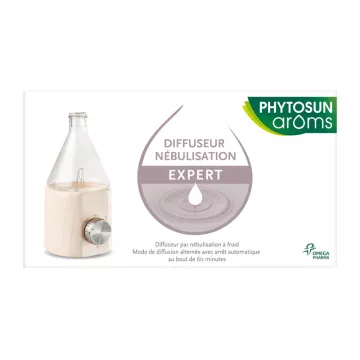
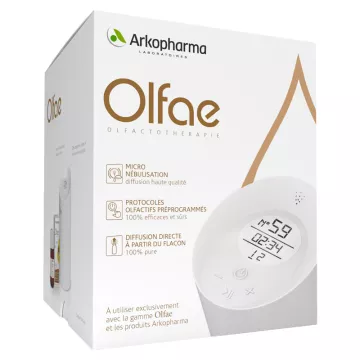
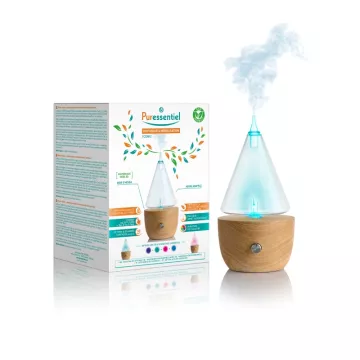
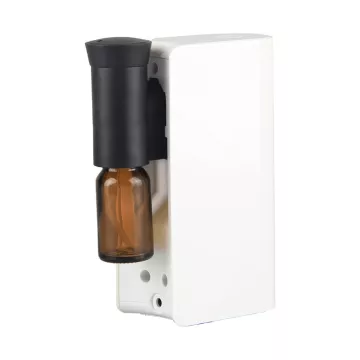
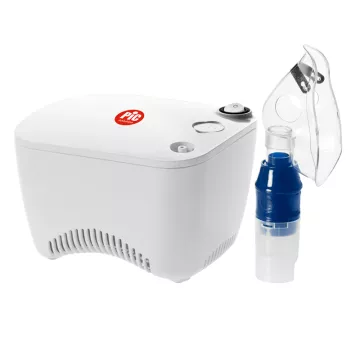
Aromatherapy nebulization is a technology for diffusing essential oils that disperses pure aromatic molecules without water or heat. The result: maximum molecular concentration in the air, without dilution or thermal degradation of the active compounds. It is clearly distinct from medical nebulization (aerosol therapy for inhaled medications used to treat asthma and COPD), which requires a doctor’s prescription and uses a specific medical nebulizer. In aromatherapy, nebulization is considered the premium diffusion technology, particularly for demanding therapeutic applications. See also the essential oil diffuser overview page.
The technical principle is based on high-pressure atomization:
The result is an ultrafine mist saturated with active molecules, faithfully reproducing the biochemical composition of the essential oil.
Several diffusion technologies exist. The ultrasonic diffuser uses high-frequency vibrations to break down a mixture of water and essential oil—lower molecular concentration, added humidification, and a gentle action ideal for daily well-being. The gentle-heat diffuser (40–50 °C) evaporates the essential oil—with a slight risk of altering heat-sensitive molecules. Ventilation simply blows air over an impregnated pad—which is not very effective for therapeutic purposes. Nebulization remains the most effective method in terms of molecular concentration and the most suitable for specific therapeutic indications, though it comes at the cost of higher essential oil consumption and a higher purchase price. In comparison, a room spray remains the most economical option for occasional use.
Nebulization is particularly well-suited for demanding therapeutic indications:
Supplement with a course of vitamin C, zinc, and propolis during ENT season.
Regular maintenance is key to the nebulizer’s lifespan. Disassemble the glass components after each extended session. Clean weekly with 70° alcohol (or isopropyl alcohol): pour a few drops into the glass components, run the device empty for 30 seconds, rinse, then dry thoroughly before reassembling. Changing essential oils: Clean the unit between using two different oils to prevent accidental mixing and changes in scent. Air pump: Avoid accidentally drawing essential oil into the motor (which causes rapid wear). Store in a dust- and moisture-free place. Silicone tubing should be replaced every 12 to 18 months, depending on usage. The skin barrier can be protected from high concentrations through daily moisturizing.
The high concentration of the nebulizer requires extra precautions. Pregnant women: avoid use without medical advice, especially during the first trimester. Infants and children under 3 years of age: avoid diffusion in their presence; for children between 3 and 6 years of age, limit sessions to very short durations (5 minutes maximum) when they are not present. Asthmatics and those with sensitive respiratory systems: Perform a preliminary test with a single, well-tolerated oil. Pets: Exercise particular caution with cats (sensitive to monoterpenes from citrus and conifers) and birds (highly vulnerable to aromatic compounds). Be aware of photosensitization risks with citrus oils (bergamot, lemon): avoid skin contact before sun exposure. Always use essential oils certified as HEBBD or HECT.