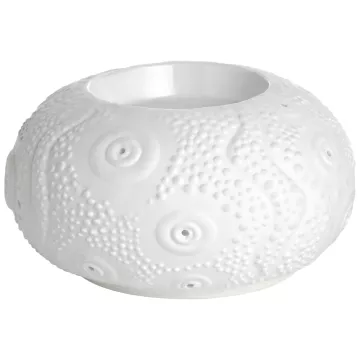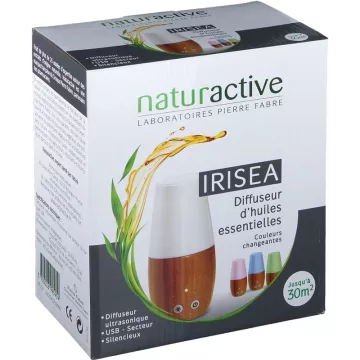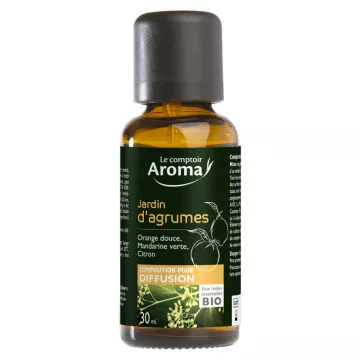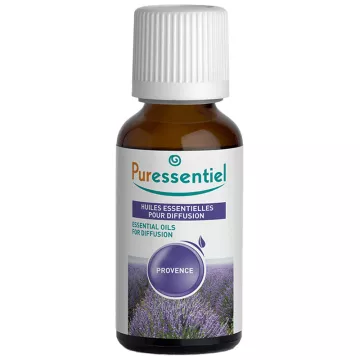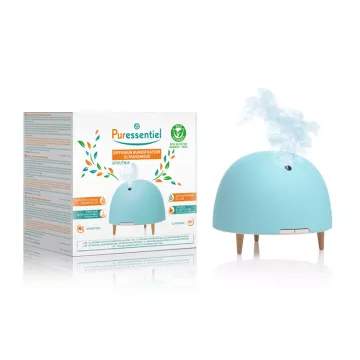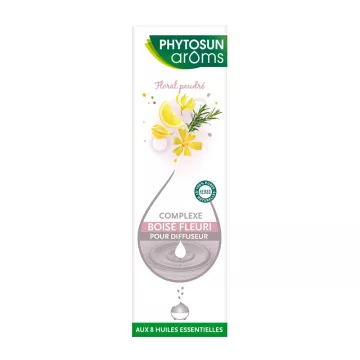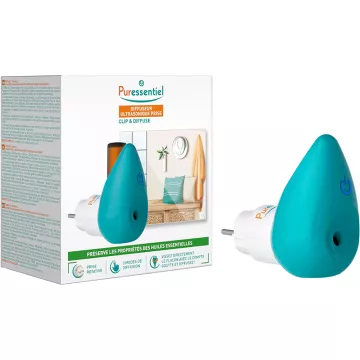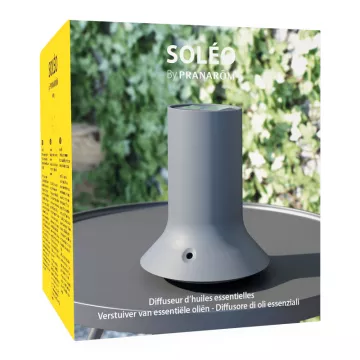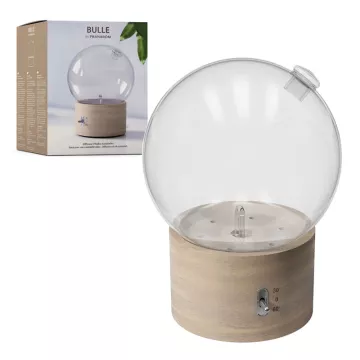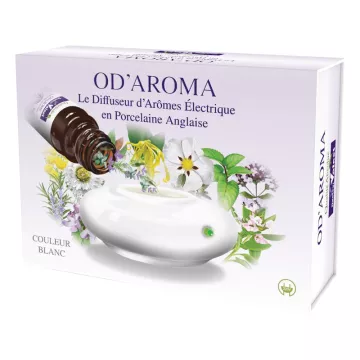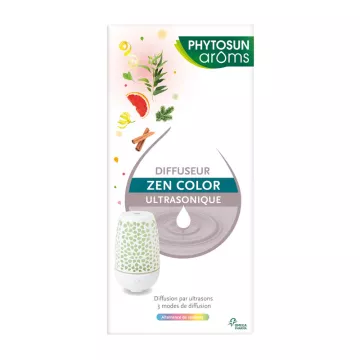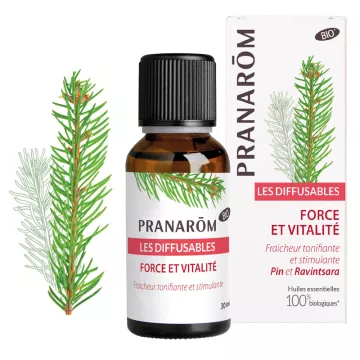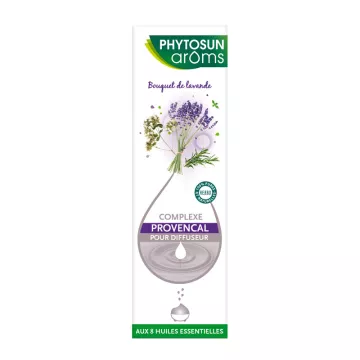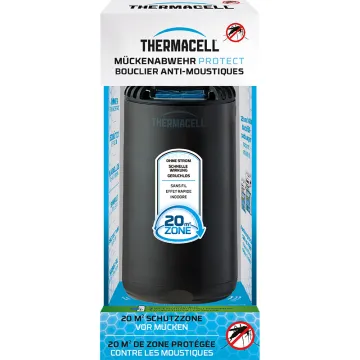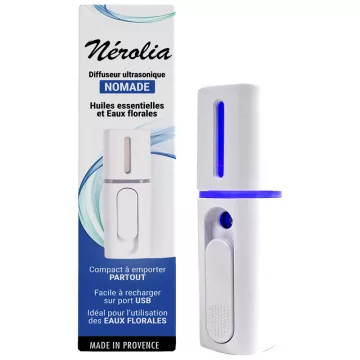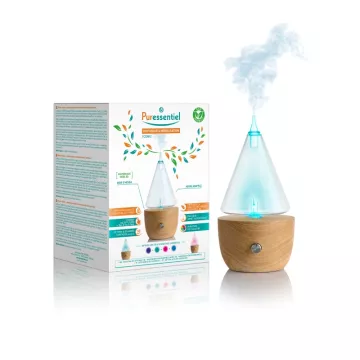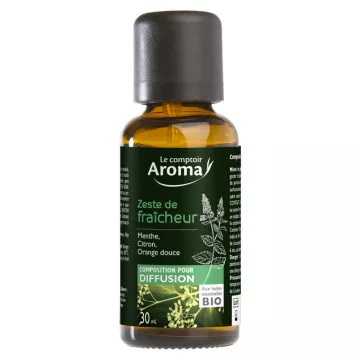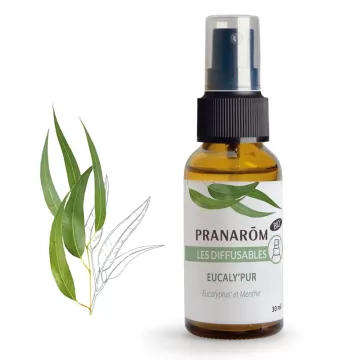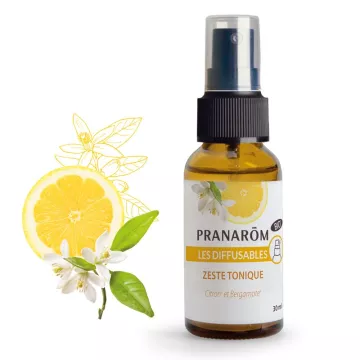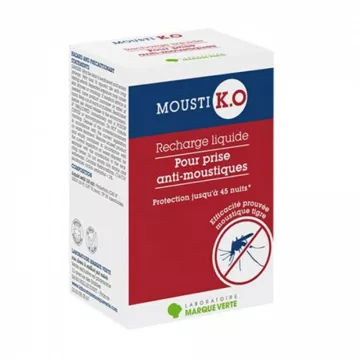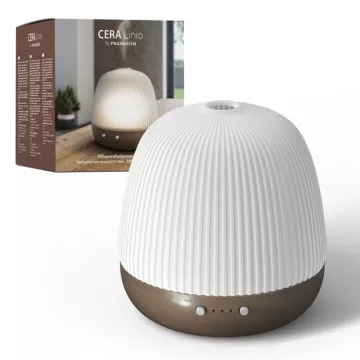
There are four technologies for diffusing essential oils, each suited to a specific use:
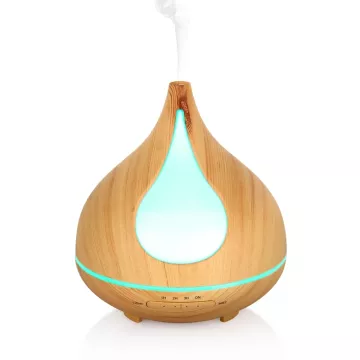
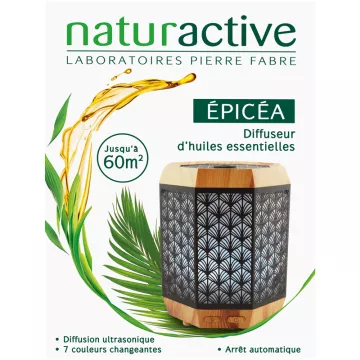
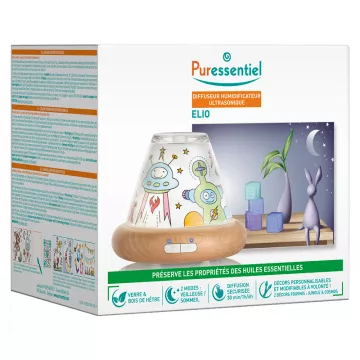
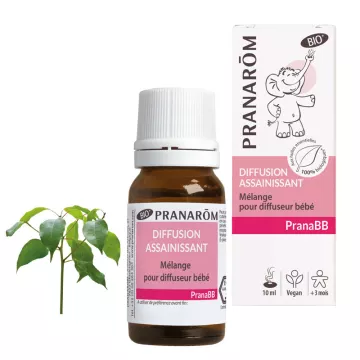
For children, an ultrasonic diffuser with a night mode (dimmable LED, automatic shut-off) is the recommended choice— fir and spruce essential oils gently release their purifying and respiratory-supporting properties.
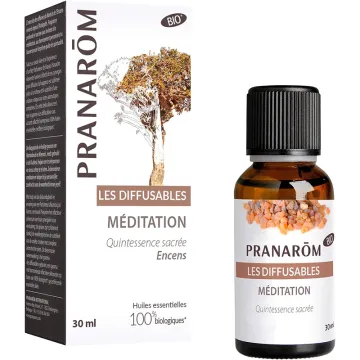
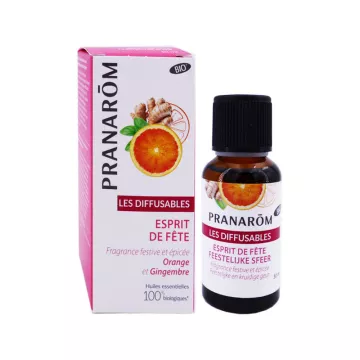
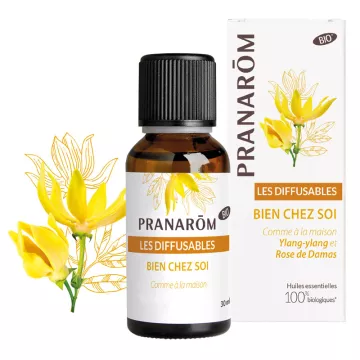
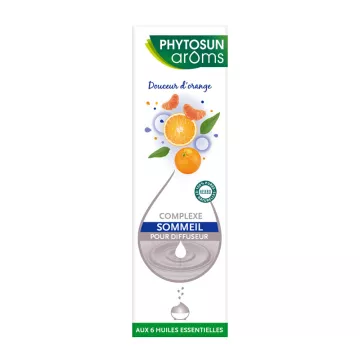
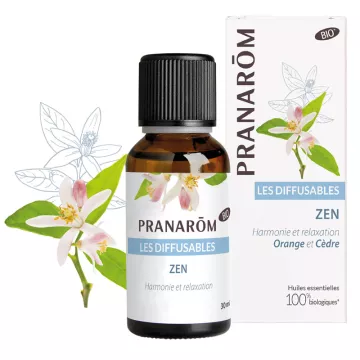
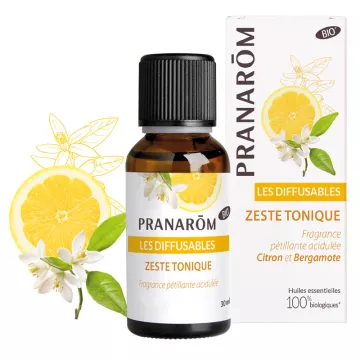
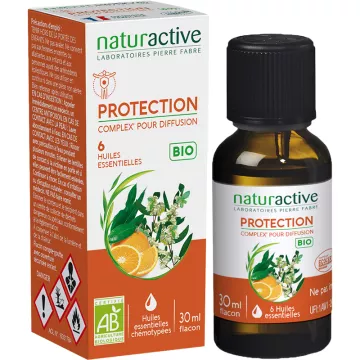
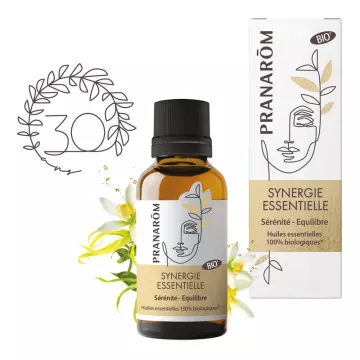
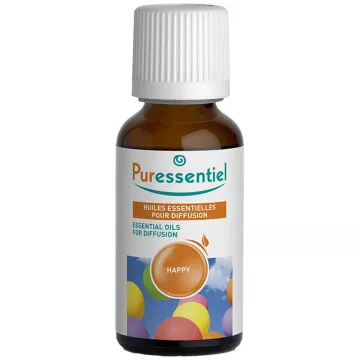
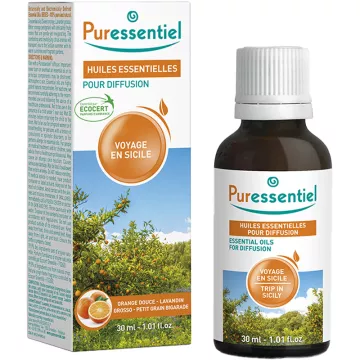
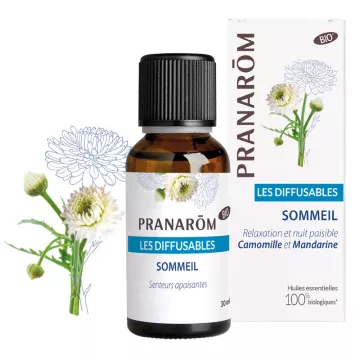
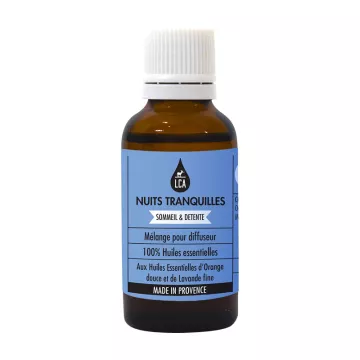
Ready-to-use blends (Pranarom Zen, Sleep, Home Comfort, Festive Spirit; Puressentiel Happy; Dr. Valnet Odarome) offer pre-formulated synergies that simplify daily aromatherapy. The Zen blend (lavender, petitgrain bigarade, bergamot, palmarosa) promotes relaxation at the end of the day. The Sleep blend (lavender, mandarin, cedar, chamomile) is designed for diffusion in the bedroom 20 minutes before bedtime. The “Well at Home” blend (eucalyptus, ravintsara, tea tree, myrtle) purifies the air in your home. Use 5 to 10 drops per 20- to 30-minute diffusion session, up to 2 to 3 times a day.
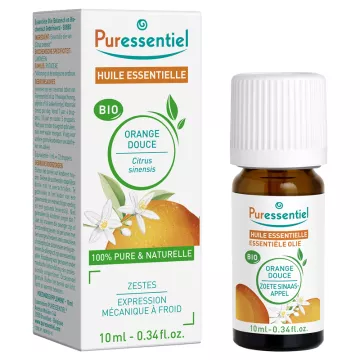
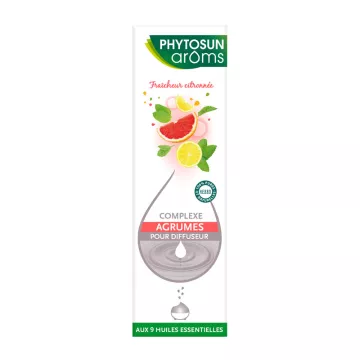
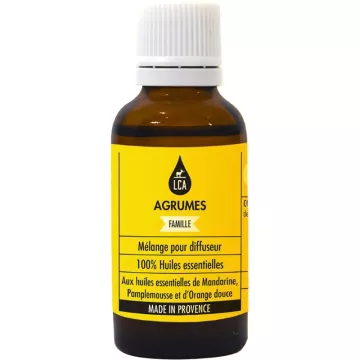
Essential oils from the conifer family are the most popular for room diffusion—their fresh, forest-like scent profile is universally appealing. Juniper (α-pinene, myrcene) is purifying and refreshing—it evokes mountain air. Pine (α-pinene, δ-3-carene) helps clear congestion and acts as an atmospheric antiseptic—a classic choice for winter diffusions. Sweet orange (90% limonene) is the most accessible essential oil for diffusion—its sweet, fruity scent appeals to children. Orange blossom (linalool) adds a delicate, soothing floral note, ideal for wellness spaces.
Regular maintenance of your diffuser is essential to maintain its performance. For an ultrasonic diffuser: empty any remaining water after each use; clean the reservoir and membrane with isopropyl alcohol or 50% diluted white vinegar once a week; use only demineralized water (hard water reduces the membrane’s effectiveness). For a nebulizer diffuser: flush the essential oil tube after each use by running it empty for 2 to 3 minutes to prevent resin crystallization. Never use a plastic diffuser that is not compatible—monoterpenes (limonene, α-pinene) can damage certain polymers. Use only a diffuser certified for aromatherapy. Fir and pine, which are rich in α-pinene, require particularly careful maintenance of the nebulizer to prevent resin buildup.
Cats lack the liver enzymes (glucuronosyltransferase) needed to metabolize many terpenic compounds—essential oils containing phenols (thymol-containing thyme, oregano, cinnamon, clove) and ketone-containing essential oils (mint, camphor rosemary) are potentially toxic to cats. Parrots and caged birds are particularly vulnerable to essential oils diffused into the air. When animals are present: opt for citrus essential oils (orange, mandarin) in very small doses (3 to 5 drops maximum), in a well-ventilated room with a window slightly ajar so the animal can move away. Never diffuse continuously in the presence of animals. The Aromapic mosquito repellent spray (citronella, geranium, lavender) is a diffusing alternative for summer evenings—its natural repellent properties are effective and safe for animals at low doses.
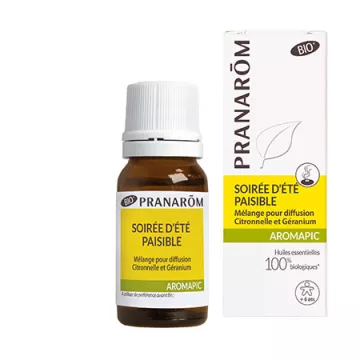
Mosquito-repellent diffuser blends (Aromapic Summer Evening, blends of citronella + geranium + lavender + lemon eucalyptus) provide an atmospheric repellent effect that reduces the presence of biting insects in enclosed or semi-open spaces. They are used in an ultrasonic or ventilation-based diffuser, diffusing continuously during summer evenings (with open windows, on patios, or indoors). Effectiveness is greatest in enclosed or semi-enclosed spaces—a fully open patio significantly reduces the concentration of essential oils in the air. These blends serve as a complementary approach to topical repellents for enhanced protection against the tiger mosquito (Aedes albopictus). Palmarosa (geraniol, geranyl acetate) is the most mild-smelling repellent essential oil and is often included in summer blends for its pleasant floral-rosy scent.