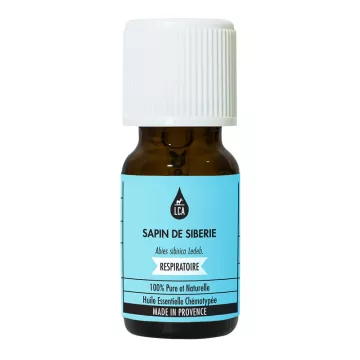
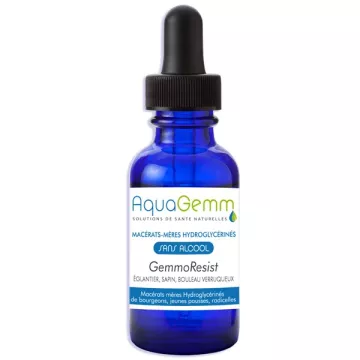
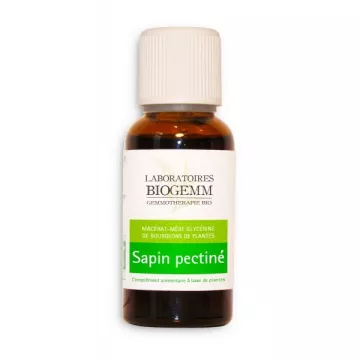
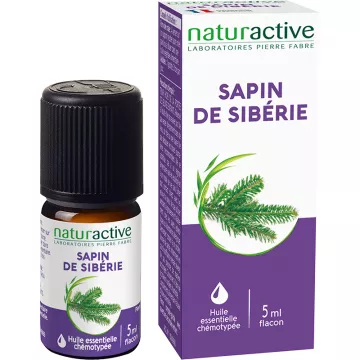
The term “fir” refers to trees of the genus Abies (Pinaceae)—distinct from the genus Pinus (pine), although the two are often confused. In aromatherapy, fir is distinguished by its ester-rich profile (30–60% bornyl acetate), which gives it a milder, sweeter, and less camphor-like note than pines. The two most commonly used species are the silver fir (Abies alba, Europe) and the balsam fir (Abies balsamea, North America). Explore our range of products for winter ailments and aromatherapy.
Fir vs. Pine: What Are the Differences?
The botanical distinction between fir and pine is fundamental to understanding their different aromatic profiles.
- Genus Abies (fir trees): upright cones, flat needles with two white stripes — dominant ester profile (bornyl acetate) — sweet, sugary, slightly mentholated note
- Genus Pinus (pines): drooping cones, needles in clusters of 2–5 — dominant monoterpene profile (α-pinene, β-pinene) — resinous, more camphor-like note
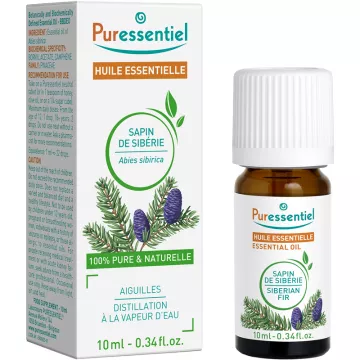
- Abies alba (silver fir, Europe): essential oil from leaves—bornyl acetate, α-pinene, limonene—expectorant and nerve-calming
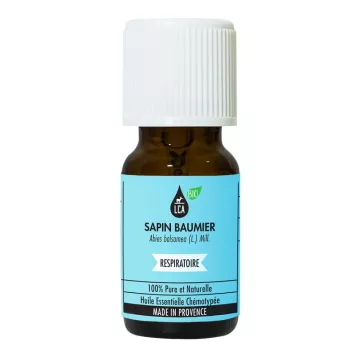
- Abies balsamea (balsam fir, North America): essential oil richer in esters — intense, slightly sweet aroma — used in diffusion to create a wintery ambiance and promote respiratory comfort
- These two firs are complementary and interchangeable in most aromatherapy applications
Fir and winter respiratory comfort?
Fir is one of the most popular aromatherapeutic ingredients for respiratory health.
- Mild expectorant and mucolytic: bornyl acetate thins secretions and facilitates their expulsion—gentler than pine oils for sensitive bronchial tubes
- Airborne antiseptic: when diffused, fir’s monoterpenes and esters reduce the microbial load in the air—ideal for winter prevention
- Inhalation: 3–4 drops in a bowl of hot water, with head covered, for 10 minutes—clears the upper respiratory tract
- Topical application to the chest: 2–3% in vegetable oil (arnica, calophyllum) — chest and back massages 2 to 3 times a day
- Suitable for children over 6 years of age at appropriate doses—has a milder, less irritating scent than camphor pines
Fir in gemmotherapy and phytotherapy?
Fir buds are used in gemmotherapy—a distinct branch of aromatherapy.
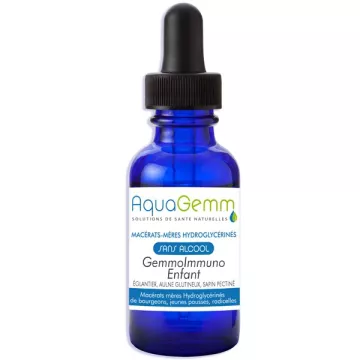
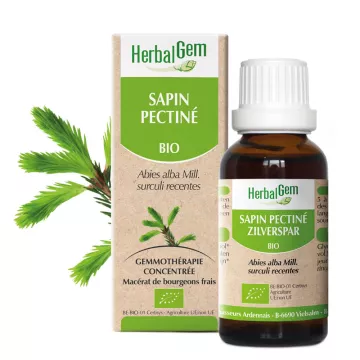
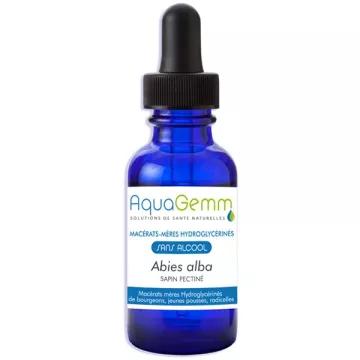
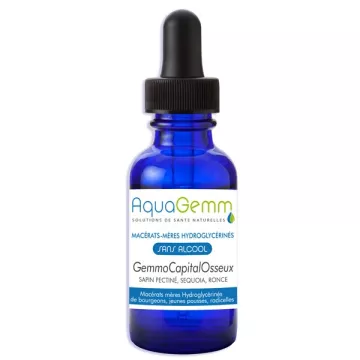
- Glycerine macerate of fir buds (Abies pectinata): a general stimulant for the body’s natural defenses, supports bone mineralization and respiratory comfort during winter
- Fir bud syrup: a traditional expectorant preparation for productive coughs—see our line of respiratory supplements
- Fir resin (oleoresin): used topically to soothe dry and irritated skin—contains resin acids and borneol
- Fir Needle Tea: rich in vitamin C and flavonoids—a Nordic and Alpine medicinal tradition for winter immune support
Fir and Nervous System Well-being?
Fir’s ester profile gives it calming properties that monoterpene-rich pines lack.
- Mild nervous system antispasmodic (esters): supports emotional well-being during times of stress or tension — has a balancing effect on the autonomic nervous system
- Promotes sleep: soft, woody note — diffuse in the bedroom in the evening — combine with true lavender or Roman chamomile to enhance the effect
- “Winter Forest” blend: balsam fir + Atlas cedar + Scots pine — 5 drops of each in an ultrasonic diffuser
- Winterfatigue: the fresh, invigorating woody scent of balsam fir diffused in the morning—supports vitality without causing nervous agitation
Precautions and contraindications?
Fir essential oil is one of the mildest among conifers—but a few precautions are still advised.
- Pregnant women (1st trimester): avoid as a precaution—esters and monoterpenes cross the placental barrier
- Children under 6 years old: Avoid direct inhalation—brief, well-ventilated diffusion is acceptable for children 3 years and older under supervision
- People with asthma: use for short periods (10–15 min) and ensure good ventilation—conifer essential oils may irritate sensitive bronchial tubes
- Allergy to conifers: a skin test is recommended before any extensive use (cedar, cypress, pine, fir—possible cross-reactivity)
- Always dilute to 2–5% for topical use—never use undiluted on the skin