What are the health benefits of hot beverages?
Hot beverages differ from cold beverages in their local vasodilatory effect, which improves blood circulation in the oropharynx and promotes relaxation of the smooth muscles of the digestive tract. Their heat increases the bioavailability of certain active compounds (tea polyphenols, curcuminoids) by promoting their extraction and solubilization. The main documented benefits:
- Respiratory comfort: Hot vapors moisturize the respiratory mucous membranes and can relieve nasal congestion during seasonal ENT infections.
- Neuromuscular relaxation: the ritual of drinking a hot beverage activates the parasympathetic nervous system, reducing cortisol and promoting a state of relaxation conducive to concentration or sleep, depending on the beverage chosen.
- Digestive comfort: Heat stimulates the secretion of bile and digestive enzymes, accelerating postprandial digestion.
Do coffee and tea improve concentration?
Yes—the caffeine in coffee and the theine in tea are adenosine receptor antagonists that improve mental focus, alertness, and information processing speed. Green tea has a unique feature: the L-theanine it contains modulates the bioavailability of theine, creating prolonged cognitive stimulation without a spike in anxiety. This theine + L-theanine synergy is supported by EEG studies showing an increase in alpha waves (a state of relaxed alertness). Matcha tea maximizes this effect thanks to its high L-theanine content.
Do herbal teas and infusions help with sleep?
Clinical studies have been conducted on the sleep-promoting effects of certain herbal infusions:
- Valerian (Valeriana officinalis): Its valeroptiates modulate GABA-A receptors, promoting sleep onset and the quality of deep sleep. Meta-analyses confirm a reduction in the time it takes to fall asleep.
- Passionflower (Passiflora incarnata): Anxiolytic and mildly sedative, it reduces pre-sleep anxiety without causing dependence or withdrawal symptoms.
- Chamomile (Matricaria chamomilla): Its apigenin binds to benzodiazepine receptors in the brain, inducing mild sedation; it is often combined with valerian and linden.
- Linden (Tilia cordata): Its flavonoids have documented anxiolytic and muscle-relaxing properties, making them ideal for anxiety-related insomnia.
Turmeric latte and adaptogenic drinks: what are the benefits?
Two categories of trendy hot beverages stand out for their active ingredients:
- Turmeric latte (golden milk): a blend of turmeric, black pepper (piperine, which increases curcumin bioavailability by 2,000%), plant-based milk, and cinnamon. Curcumin inhibits NF-kB and COX-2, with documented anti-inflammatory and antioxidant properties. Morning consumption for at least 4 to 6 weeks is necessary to achieve measurable effects on inflammatory markers.
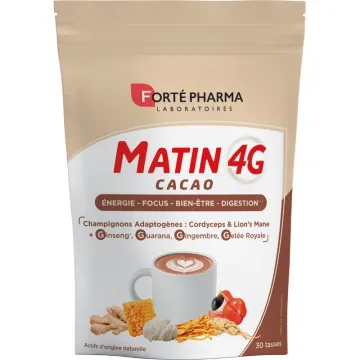
- Drinks containing adaptogenic mushrooms (lion’s mane, reishi, chaga): Lion’s mane (Hericium erinaceus) contains hericenones that stimulate the synthesis of NGF (nerve growth factor), supporting cognitive function. These beverages offer an appealing alternative for reducing caffeine intake while maintaining cognitive stimulation.
Do hot beverages aid digestion?
Several hot beverages have a documented effect on digestion:
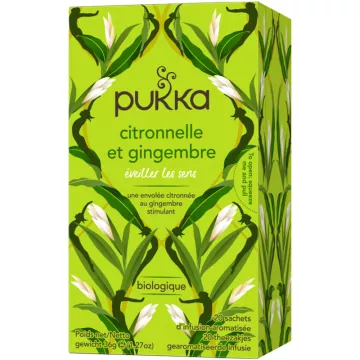
- Ginger tea: Gingerols accelerate gastric emptying and have a documented antiemetic effect (pregnancy-related nausea, motion sickness). A cup after a heavy meal can reduce bloating and digestive discomfort.
- Peppermint: Menthol relaxes the smooth muscles of the digestive tract, relieving intestinal spasms and stomachaches. Caution: Not recommended for gastroesophageal reflux disease (GERD) as it further relaxes the lower esophageal sphincter.
- Fennel tea: Its flavonoids and anethole reduce flatulence and colic.
How to choose a hot beverage based on the time of day?
Tailoring your hot beverage to your circadian rhythm maximizes its benefits:
- Morning (7 a.m.–10 a.m.): coffee, matcha, or green tea—caffeine is beneficial after the natural cortisol spike. Avoid coffee within an hour of waking up so as not to interfere with this spike.
- Afternoon (2 p.m.–5 p.m.): black tea, yerba mate, or chai—caffeine has minimal impact on sleep if consumed before 5 p.m. (half-life: 5 to 7 hours).
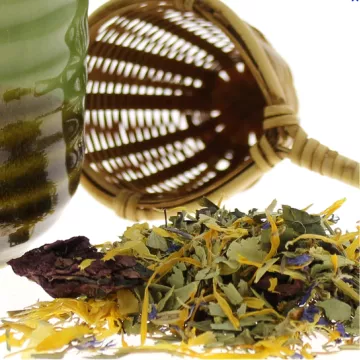
- Evening (after 7 p.m.): caffeine-free herbal teas (valerian, passionflower, chamomile, linden, lemon balm)—promote relaxation and help you fall asleep without stimulants.