What is HIV, and why is medical follow-up essential?
HIV (Human Immunodeficiency Virus) is a retrovirus that infects and gradually destroys CD4+ T cells, immune cells essential to the body’s defense system. Without treatment, the viral load increases and the CD4 count drops until the patient reaches the AIDS stage. Antiretroviral (ARV) treatments can now reduce the viral load to undetectable levels and maintain a life expectancy close to normal—but adherence to these treatments is non-negotiable. Natural supplements can support quality of life as a complementary measure but are never a substitute for ARVs. Explore our immunity line, our probiotic supplements, and our serenity and well-being formulas.
- Virological mechanism: HIV → fusion with CD4+ T cells → integration of viral RNA into the human genome (reverse transcription by reverse transcriptase) → production of new virions → destruction of CD4+ cells—ARVs block each step of this cycle (reverse transcriptase inhibitors, protease inhibitors, integrase inhibitors, fusion inhibitors)
- HIV vs. AIDS: HIV infection ≠ AIDS—AIDS corresponds to the advanced stage of infection defined by a CD4 count < 200/mm³ or the onset of opportunistic infections (pneumocystis pneumonia, cerebral toxoplasmosis, CMV, cryptococcosis) — with well-adhered antiretroviral therapy (ART), the vast majority of HIV-positive individuals never progress to the AIDS stage
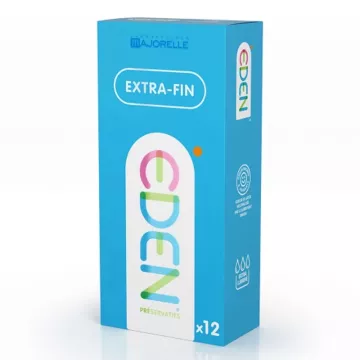
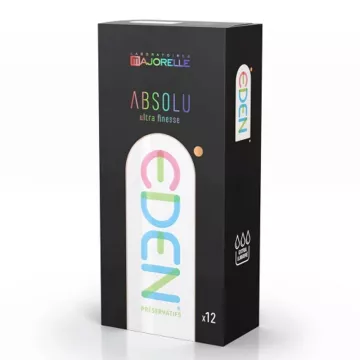
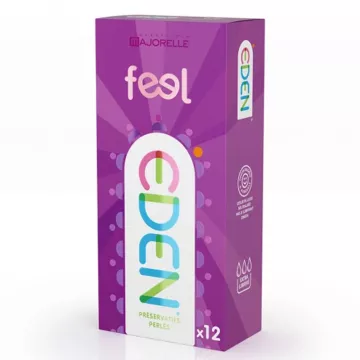
- Transmission: infectious bodily fluids (blood, semen, vaginal secretions, breast milk)—unprotected sex (vaginal, anal, oral—varying risk)—sharing of injection equipment—mother-to-child (pregnancy, childbirth, breastfeeding) — PrEP (pre-exposure prophylaxis) + condoms + antiretroviral therapy (undetectable = untransmittable) = modern preventive arsenal
- Screening: free and anonymous screening tests at CEGIDDs (STI centers) — HIV self-test available at pharmacies — screening recommended once a year for people at risk, more frequently depending on exposure — Rapid Diagnostic Orientation Test (TROD) — serological window: 6 weeks for 4th-generation tests
- HIV medical follow-up: CD4 count + viral load every 3–6 months while on ARVs — regular infectious disease consultations — annual liver, kidney, and lipid panel (some ARVs have metabolic side effects) — recommended vaccinations (flu, pneumococcal, hepatitis A and B, HPV)
Antiretroviral Treatments and Side Effect Management
- Current ARVs: triple therapies (combinations of 3 drugs in 1 tablet/day) — example: bictegravir/emtricitabine/tenofovir (Biktarvy) — integrase inhibitors + nucleoside analogs — remarkable efficacy (undetectable viral load in >95% of patients adhering well to treatment) — prescribed and monitored by an infectious disease specialist
- Therapeutic adherence: daily dosing without missing doses — adherence is the key factor in efficacy — missing just one dose out of 10 can compromise viral suppression — support tools: connected pill organizers, mobile apps (MediSafe), medication education sessions
- Common side effects of ARVs and natural support: digestive issues (nausea, diarrhea) → probiotics (L. rhamnosus GG, B. longum) to restore gut flora — lipid disorders (dyslipidemia) → omega-3 EPA+DHA 1–2 g/day (triglyceride reduction) — sleep disturbances and fatigue → magnesium bisglycinate 300–400 mg/night + relaxation techniques
- ARV-Supplement Interactions: CAUTION — certain supplements may alter the effectiveness of ARVs — St. John’s wort (Hypericum perforatum) → strictly contraindicated (induces CYP3A4 → reduced plasma concentrations of many ARVs) — garlic in high doses → possible interactions — grapefruit — always report all supplements to the infectious disease specialist
- PrEP and PEP: PrEP (pre-exposure prophylaxis) — emtricitabine/tenofovir (Truvada) or injectable cabotegravir — reduces the risk by 99% in HIV-negative individuals at high risk — prescribed by an infectious disease specialist, primary care physician, or CEGIDD — PEP (post-exposure prophylaxis) — must be started within 48 hours of exposure — 28 days of treatment — emergency departments or CEGIDD
Micronutrients, Nutrition, and Immune Support
- Vitamin D3: deficiency is very common among people living with HIV (PLHIV) — associated with faster progression to AIDS in some studies — supports remaining CD4+ T cells and innate immunity — 1,000–2,000 IU/day after blood test (25-OH-D3) — testing recommended at least annually
- Selenium: Selenium deficiency is associated with faster progression of HIV infection in several epidemiological studies — a cofactor for glutathione peroxidases (GPx), which protect immune cells from oxidative stress — selenomethionine 100–200 µg/day — randomized studies have shown an improvement in CD4 counts with selenium supplementation
- Zinc: common deficiency among people living with HIV (gastrointestinal losses + malabsorption) — a cofactor for more than 300 immune enzymes — zinc gluconate or bisglycinate 10–15 mg/day — do not exceed 40 mg/day (copper antagonism)
- Glutathione (L-glutathione): the intracellular “master antioxidant”—significantly reduced in HIV infection (chronic oxidative stress from the infection + certain ARVs) — N-acetylcysteine (NAC), a precursor to glutathione, plus liposomal glutathione — supports liver detoxification (important when taking ARVs)
- Comprehensive anti-inflammatory nutrition: Mediterranean diet — fruits and vegetables (antioxidants + vitamins) — lean proteins (immunity + muscle mass) — omega-3s (anti-inflammatory) — dietary probiotics (kefir, yogurt, sauerkraut) — vitamin C (acerola) 500 mg/day — avoid alcohol, tobacco, and cannabis (all of which are immunosuppressants and hepatotoxic) — visit our immune system page
Mental Health, Quality of Life, and Resources
- Psychological impact of HIV: frequent anxiety and depression (2–3 times more common than in the general population) — linked to receiving the diagnosis, stigma, the impact on emotional and sexual life, and ARV side effects — psychological support recommended immediately upon diagnosis — MonPsy (8 sessions partially covered) or an HIV-specialized psychologist (CEGIDD, organizations)
- Stress management: Chronic stress suppresses the immune system (cortisol → decreased T-cells) — cardiac coherence (365, 3 times/day) — mindfulness meditation (MBSR) — yoga + regular physical activity — explore our serenity and well-being programs
- Physical activity: strongly recommended for people living with HIV — improves CD4 counts (positive studies) — reduces lipoatrophy and the metabolic effects of ARVs — improves mental well-being — 150 min of moderate activity per week or 75 min of vigorous activity — strength training 2–3 times per week
- Stigma and social life: HIV remains a highly stigmatized disease — people with an undetectable viral load do not transmit the virus (the “U=U” message: Undetectable = Untransmittable — WHO 2016) — essential information for reducing stigma and improving the quality of interpersonal relationships
- Resources in France: SIDA Info Service (0800 840 800—toll-free and anonymous)—Sidaction (sidaction.org) — AIDES (aides.org) — CEGIDD for testing, PrEP, and follow-up care — Santé Publique France for epidemiological data — primary care physician or infectious disease specialist for antiretroviral (ARV) treatment follow-up