What is coxarthrosis, and how can it be detected early?
Coxarthrosis (hip osteoarthritis) is the progressive degeneration of the cartilage in the hip joint—between the femoral head and the acetabulum. Its clinical specificity lies in the atypical location of the pain, which often makes diagnosis difficult. Discover our joint comfort line to support comfort starting in the early stages.
- Characteristic groin pain: felt in the groin, the front of the thigh, or the knee—often mistaken for a hernia or a knee condition—knee pain without any knee abnormalities should prompt an investigation for coxarthrosis
- Shoe-putting sign: difficulty putting on shoes and socks—early limitation of internal rotation and flexion—the first suggestive functional sign
- Antalgic gait: leaning the torso toward the affected side with each step to reduce stress on the painful hip
- Specific risk factors: hip dysplasia (congenital malformation), femoroacetabular impingement, avascular necrosis of the femoral head, activities involving repeated high-impact movements (contact sports, heavy physical labor)
Which supplements support a hip with osteoarthritis?
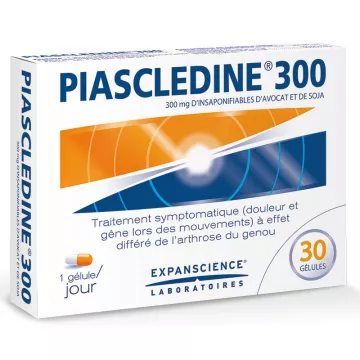
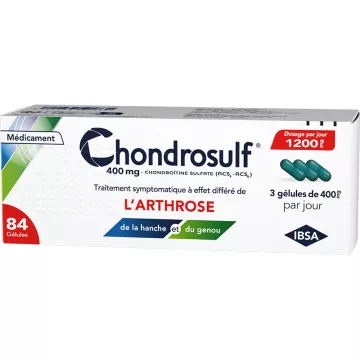
Chondroprotective supplements are most effective in stages 1–2 of coxarthrosis, before cartilage destruction is complete. Find these formulas in our joint pain product line.
- Glucosamine 1,500 mg/day: positive clinical data for mild to moderate coxarthrosis—minimum 3-month course to assess individual effectiveness
- Chondroitin 800–1,200 mg/day: inhibits enzymes that break down cartilage — documented synergy with glucosamine — chondroitin line
- Hydrolyzed marine collagen: amino acids that are precursors to type II collagen in the hip — joint collagen line
- Omega-3 (EPA/DHA): anti-inflammatory properties — reduce synovial mediators — documented benefits for pain and stiffness
- Turmeric (curcumin): natural anti-inflammatory — complements structural active ingredients — in a bioavailable form (with piperine or liposomal)
Exercises and physical activity tailored for hip osteoarthritis
Physical activity is the most effective conservative treatment for hip osteoarthritis—provided it is tailored to protect the joint while strengthening the stabilizing muscles.
- Swimming and water aerobics: zero-impact activities—ideal for hip osteoarthritis—full-range movements without joint compression
- High-seat cycling: reduced load on the hip—strengthens the quadriceps and abductors without impact
- Strengthening the hip abductors: lateral leg raises, elastic resistance exercises—the abductors absorb lateral mechanical stress and reduce limping
- Nordic walking: Support from the poles redistributes 20–30% of body weight to the upper limbs—reduced impact compared to traditional walking
- Avoid: running on hard surfaces, pivot-based sports (tennis, soccer), and repetitive stair climbing during the painful phase
When should total hip replacement (THR) be considered?
Total hip replacement is one of the most effective orthopedic surgeries—with a 90% satisfaction rate—but it is reserved for advanced stages after conservative treatments have failed.
- Indications: Stage 4 coxarthrosis (bone-on-bone), debilitating pain at rest and at night, failure of medical treatments and injections after 6 months
- Surgical technique: replacement of the femoral head and acetabular cup with implants (metal, ceramic, polyethylene)—posterior or anterior approach depending on the surgical team
- Lifespan: 15–25 years with modern implants—revision possible in case of wear or loosening
- Rehabilitation: Walking from day 1 with full weight-bearing—discharge home in 3–5 days—full rehabilitation in 3–6 months
- Our joint comfort and marine collagen supplements can support postoperative recovery following medical approval