

Hair loss, or alopecia, can be caused by many factors: genetics, hormonal imbalances, medical conditions, or certain medications. The most common form, androgenetic alopecia (baldness), is largely influenced by genes and hormones. Other common causes include thyroid disorders and deficiencies, particularly iron deficiency. Because there are many possible causes—each requiring a different approach—identifying the exact cause is essential before taking any action. This page focuses on recognizing the signs and making a diagnosis; for a comprehensive overview of solutions, the page dedicated to hair loss details the available options. In all cases, consulting a specialist remains the first step toward establishing a reliable diagnosis.
Losing between 50 and 100 hairs a day is perfectly normal: this is the natural renewal of the hair. Hair loss becomes abnormal when it significantly exceeds this threshold or is accompanied by visible signs. Several warning signs should be noted:
Identifying the transition from normal to abnormal early on allows you to seek medical advice promptly and address the underlying cause, rather than letting hair thinning set in.
The first signs vary depending on the individual and the type of alopecia. In many people, there is a gradual thinning at the crown, diffuse thinning, or hair that appears less full. A receding hairline or thinning around the temples are characteristic of male-pattern androgenetic alopecia. In women, a gradually widening part is often the first sign. An unusual amount of hair shed daily, or hair that seems finer and more fragile, are other warning signs. Being attentive to these changes allows for early intervention: the sooner the cause is identified, the greater the chances of stabilizing the situation. If you have any doubts, seeking professional advice can prevent unnecessary worry and delay in treatment.
Hormonal changes are a common cause of hair loss. In women, pregnancy, the postpartum period, and menopause cause fluctuations that affect the hair growth cycle: postpartum hair loss, for example, is generally a reaction to these changes and is temporary. In men, sensitivity of the hair follicles to dihydrotestosterone (DHT), a derivative of testosterone, is the cause of androgenetic alopecia. These hormonal mechanisms require a medical diagnosis: only a healthcare professional can objectively assess them—sometimes through blood tests (thyroid, iron, hormones)—and determine an appropriate course of treatment. Hair loss occurring in a specific hormonal context therefore warrants special attention, especially since it may reveal an underlying imbalance that should be investigated beyond the hair-related symptom alone.
Certain conditions cause hair loss that goes beyond cosmetic concerns. Alopecia areata is an autoimmune disorder in which the immune system attacks the hair follicles, resulting in well-defined patches of hair loss. Thyroid disorders (hypothyroidism or hyperthyroidism) disrupt the hair growth cycle. Scalp infections (notably ringworm), certain chronic diseases such as lupus, or severe nutritional deficiencies are also among the medical causes. These conditions require an accurate diagnosis by a healthcare professional, as treatment targets the underlying disease, not just the symptom. A scalp showing redness, flaking, or unusual patches—or hair loss accompanied by fatigue or other symptoms—should prompt an immediate consultation to rule out an organic cause.
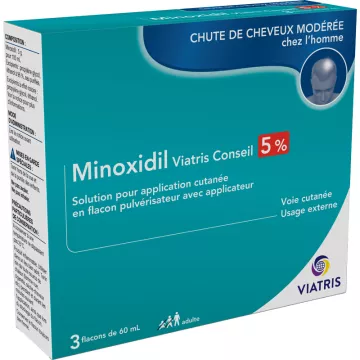
Medication-based treatments are strictly within the realm of medical care. Minoxidil is a topical treatment used under professional guidance, which requires continuous application to maintain its effects. Finasteride is a prescription-only medication that acts on hormonal mechanisms; it has major contraindications, including a strict prohibition for use in pregnant women due to its toxicity to the fetus. Hair transplants, mesotherapy, or laser therapy are other options to discuss with a dermatologist. These treatments can be effective for androgenetic alopecia, but their suitability, safety, and dosage depend on each individual case: they should never be used or combined without prior medical evaluation. Continuous use is often necessary, as discontinuing treatment generally leads to a resumption of hair loss.
Diet plays a real role in hair health. A deficiency in iron, vitamin D, B vitamins, or omega-3 fatty acids can contribute to hair loss. Several micronutrients support hair health: biotin and zinc help maintain normal hair, while iron helps reduce fatigue. A varied and balanced diet remains the foundation; supplementation is only warranted after a deficiency has been confirmed. In terms of lifestyle, avoiding harsh chemical treatments and hairstyles that pull on the roots, managing stress, and using appropriate products—such as a fortifying shampoo —help preserve hair health.
Reversing hair loss depends entirely on its cause. For reactive hair loss (stress, postpartum, corrected deficiency), lifestyle adjustments, a better diet, stress management, and a gentle hair care routine may be enough to allow hair to regrow naturally. On the other hand, genetic alopecia or alopecia linked to a medical condition cannot be corrected by natural remedies alone. Traditional remedies like castor oil or onion juice are popular, but their effectiveness has not been scientifically proven: they provide comfort, nothing more. The rule remains the same: consult a specialist for a personalized, evidence-based approach that can distinguish between conditions that may improve on their own and those that require medical treatment.