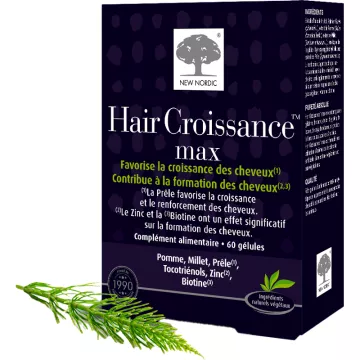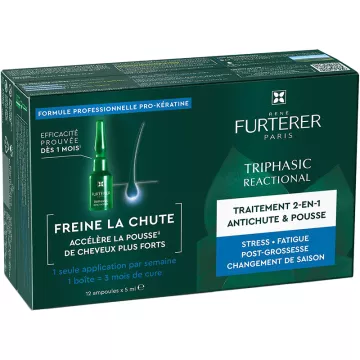
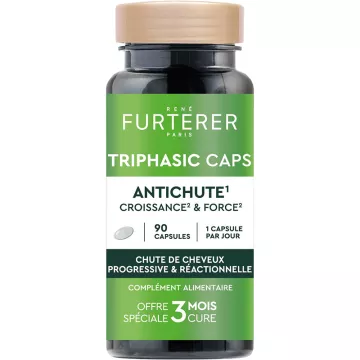
Hair growth depends mainly on three factors: genetics, overall health, and hair care. Genes determine texture, growth rate, and density—factors that are largely fixed and cannot be changed. Health, particularly hormonal and nutritional balance, can, however, slow growth in the event of an imbalance or deficiency. Finally, appropriate care and gentle styling help preserve existing hair and minimize breakage. Understanding these mechanisms helps distinguish between what is realistic and what is myth. For issues related to regrowth after hair loss, the approach differs and often requires medical advice, as the issue then falls under the category of scalp health.
Each hair follows a three-phase cycle, independent of neighboring hairs:
This cycle explains why hair grows at its own rate (about one centimeter per month) and why a disruption, such as a shock or stress, can prematurely push many hairs into the resting phase.
Let’s be honest: the rate of growth is primarily genetic, and no cosmetic product can truly alter it. Scalp massages, castor oil, or “hair growth” treatments provide welcome comfort and care, but their effect on the speed of growth has not been proven. What we can do, however, is maintain the conditions for optimal growth: prevent breakage—which gives the impression that hair isn’t growing—keep the scalp healthy, and address any nutritional deficiencies. Hair that doesn’t break appears to grow faster, simply because it retains its length. So be wary of promises of accelerated growth: the realistic goal is to protect what you already have and optimize the environment, not to force nature’s hand.
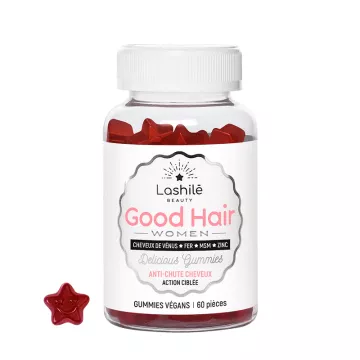
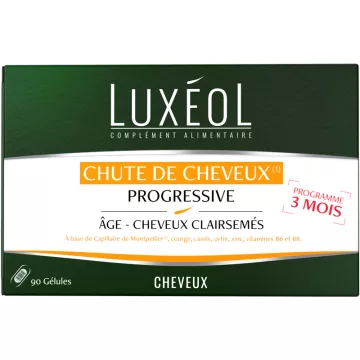
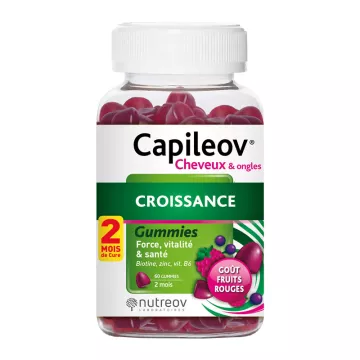
Hair is primarily made up of keratin, a protein: an adequate protein intake is therefore essential, and a deficient diet can lead to brittle, fragile hair. Several micronutrients also support hair health, according to recognized claims: biotin, zinc, and selenium contribute to maintaining normal hair; iron helps reduce fatigue; and vitamin C contributes to normal collagen formation. Vitamin B12 and vitamin D contribute to normal cellular metabolism. Prioritizing high-quality protein sources (lean meats, fish, legumes, nuts) and a varied diet remains the foundation; supplementation is only warranted in cases of proven deficiency.
Stress can indeed disrupt the hair growth cycle and cause telogen effluvium: intense or prolonged stress prematurely pushes many hairs into the resting phase, leading to diffuse hair loss a few weeks to a few months later. This stress-induced hair loss is generally temporary and reversible once the triggering factor has passed. Managing stress through meditation, regular physical activity, and good sleep hygiene therefore helps maintain the balance of the hair growth cycle. Sleep plays an often-underestimated role in cell renewal. If stress-related hair loss persists beyond a few months or worsens, seeking professional advice can help rule out other causes and provide reassurance, as the emotional impact of hair loss can itself perpetuate stress in a vicious cycle.
When faced with established hair thinning, particularly genetically causedandrogenetic alopecia, solutions fall within the medical realm. Minoxidil is a topical treatment used under professional guidance. Finasteride is a prescription-only medication with significant contraindications, including a strict prohibition for use in pregnant women due to its toxicity to the fetus. Hair transplants and treatments such as low-level laser therapy are other options that should be discussed with a dermatologist. Reversing genetic hair loss remains difficult, and these treatments are primarily aimed at slowing hair loss or increasing hair density—never at guaranteeing full regrowth. None of these treatments should be attempted without professional guidance: only a specialist can assess their suitability based on the individual’s specific cause and profile.
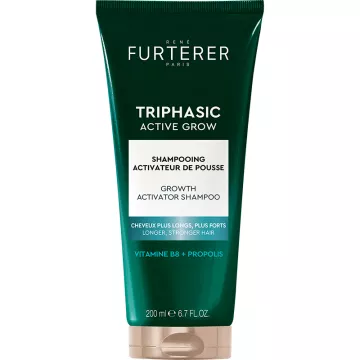
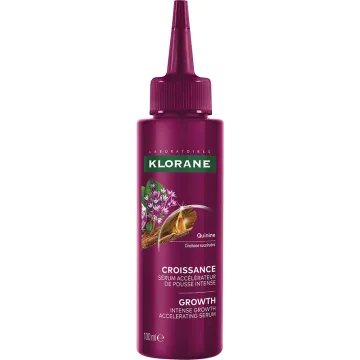
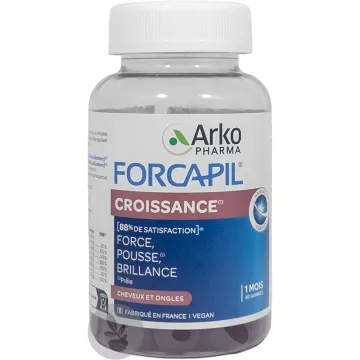
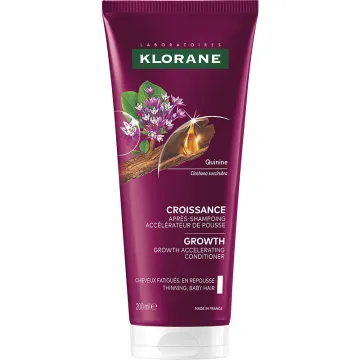
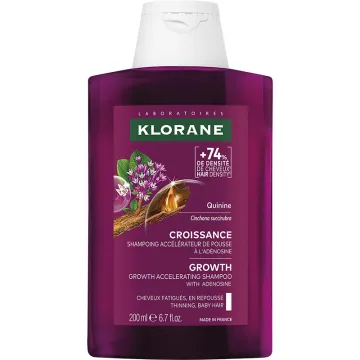
While cosmetic products do not make hair grow faster, they support hair health and appearance. Products enriched with biotin, niacin, or antioxidants nourish the hair shaft and improve its texture, reducing breakage that hinders growth. A fortifying shampoo strengthens the appearance of fragile hair, while treatments based on keratin or plant oils coat and protect the hair. Choosing products suited to your hair type optimizes results. The goal of these treatments is cosmetic: to keep your hair in good condition, minimize breakage, and soothe the scalp. They are part of a comprehensive hair care routine—complementing a healthy lifestyle—and are not intended to accelerate hair growth.
Maintaining healthy hair relies on simple, regular habits. Adopt a gentle routine: avoid harsh chemical treatments, space out hair coloring, and avoid hairstyles that pull on the roots (traction alopecia). Protect your hair from excessive heat from styling tools and UV rays. Keep your scalp clean and balanced—the foundation for healthy hair. Ensure you eat a balanced diet that meets your needs for protein, vitamins, and minerals. And above all, consult a professional if you experience unusual hair loss to determine the cause. Preserving your existing hair and creating a favorable environment are the most realistic and effective approaches, whereas promises of miraculous growth often fall short. Patience remains the best ally for healthy hair.