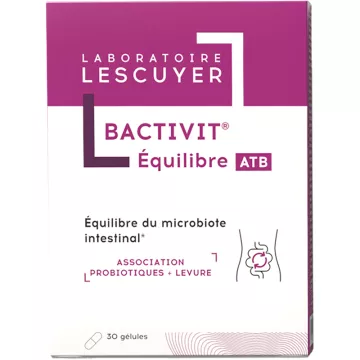
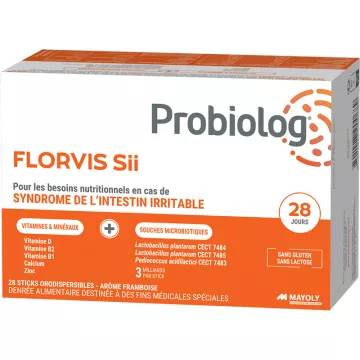
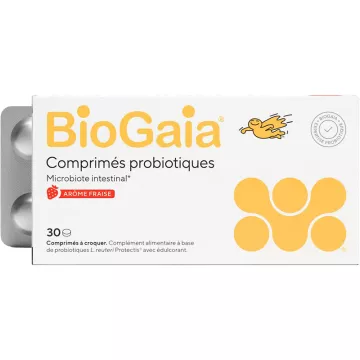
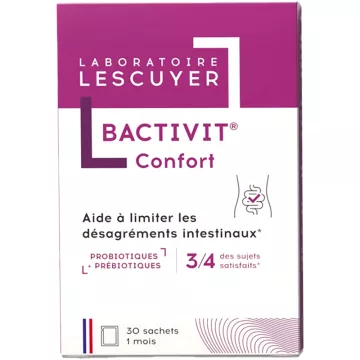
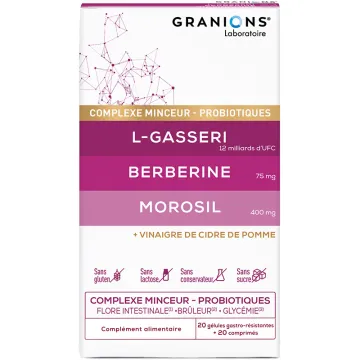
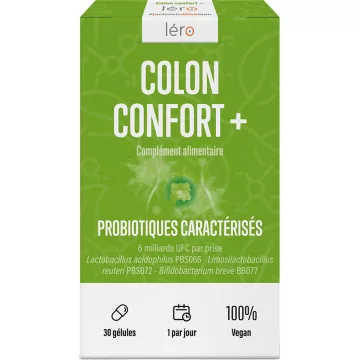
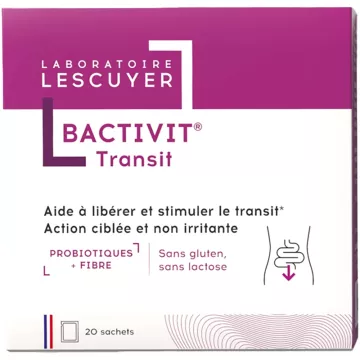
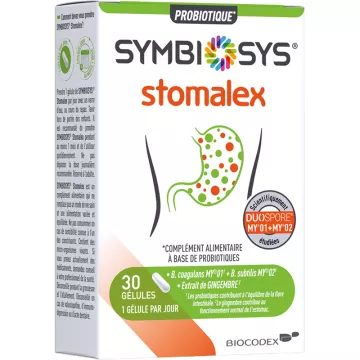
Good bacteria —or probiotics—are live microorganisms that, when present in sufficient quantities, have a beneficial effect on the host’s health. They are found primarily in the gut, but also in the mouth, on the skin, and in the vagina. Their balance affects digestion, immunity, and the production of several neurotransmitters and vitamins. Check out our selection of probiotics and the Bifidobacteria page for detailed information on specific strains.
What Are Good Bacteria?
The term “good bacteria” refers to all commensal and symbiotic microorganisms that live in harmony with the human body. The gut alone is home to more than 1,000 different species, forming the gut microbiome. These bacteria perform functions that the human body cannot carry out on its own: fermenting dietary fiber, producing short-chain fatty acids (SCFAs), synthesizing vitamins, and modulating the immune response. Their diversity is a marker of health—the more diverse the microbiome, the more resilient it is.
Probiotics, prebiotics, and synbiotics: what’s the difference?
These three terms refer to complementary approaches to supporting the microbiome.
- Probiotics: live microorganisms (bacteria or yeasts) that exert a beneficial effect when consumed in sufficient quantities—e.g., Lactobacillus, Bifidobacterium, Saccharomyces boulardii
- Prebiotics: non-digestible fibers (inulin, FOS, GOS, pectins) that serve as a substrate for beneficial bacteria and selectively stimulate their growth
- Synbiotics: a combination of prebiotics and probiotics in the same formula—documented synergy for enhanced effectiveness in promoting digestive comfort
- Postbiotics (AGCC, bacteriocins): beneficial metabolites produced by beneficial bacteria—emerging as nutraceutical active ingredients
Good Bacteria and Immunity: What Role Do They Play?
The gut is home to 70 to 80% of the body’s immune cells—good bacteria are the conductors of this mucosal immunity.
- They stimulate the production of secretory IgA—surface antibodies that protect the intestinal mucosa
- They regulate T-cell activation—striking a balance between the pro-inflammatory response and tolerance
- They strengthen the tight junctions of the mucosa—preventing pathogens from entering the bloodstream
- They compete with pathogenic bacteria for binding sites and nutrients
- A depleted gut microbiota (following antibiotic therapy, stress, or a low-fiber diet) weakens this surface immunity
Diet and gut flora: what’s the connection?
The composition of the microbiome directly reflects long-term dietary habits.
- A variety of fibers (soluble + insoluble): each type feeds different bacterial species—dietary diversity creates microbial diversity
- Fermented foods: yogurt, kefir, kimchi, kombucha, sauerkraut—a direct source of beneficial live bacteria
- Excessively processed foods, refined sugars, and saturated fats: deplete microbiome diversity, as documented in several studies
- Glutamine: nourishes the cells of the intestinal lining and maintains its integrity
- In cases of specific food reactions: see our page on food intolerances
Good Bacteria and Allergy Prevention?
The link between the microbiome and the regulation of the allergic response is one of the most active areas of research in immunology.
- The hygiene hypothesis suggests that early depletion of the microbiome (less microbial exposure in early childhood) promotes allergic immune dysregulation
- Probiotics administered from birth or prenatally are being studied for their impact on the prevention of atopic eczema and food allergies
- Results vary depending on the strains and populations—there is no universal recommendation to date
- To support well-being during seasonalallergy season: probiotic formulas combined with quercetin and vitamin C
How can you maintain a healthy gut microbiome?
The microbiome is sensitive—several daily habits make a difference.
- Regular physical activity: linked to greater microbial diversity in several studies
- Managing chronic stress: Cortisol alters intestinal permeability and the composition of the microbiome
- Adequatesleep: Sleep deprivation rapidly disrupts microbial balance
- Antibiotics: Use only as prescribed for specific conditions—always take probiotic supplements every 2 to 3 hours
- Avoid artificial sweeteners (saccharin, sucralose): recent studies suggest they disrupt the microbiome
- Regularbowel movements: a simple indicator of daily microbiome health