
0
Menu

Food Intolerance: Causes, Alternatives, and Progress

Filter
Number of products : 8
Sort
Sort
Close
Lactibiane Tolerance Pileje Intestinal Flora 30 capsules Lactibiane Tolerance Pileje Intestinal Flora 30 capsules
€23.94
Shipped within 24h
Pileje Lactibiane Tolerance for Adults, 30 Sachets, 2.5 g Pileje Lactibiane Tolerance for Adults, 30 Sachets, 2.5 g
€26.09
Shipped within 24h
Modilac Expert Rice Milk 3rd Age 12-36 months Modilac Expert Rice Milk 3rd Age 12-36 months
€33.16
Shipped within 24h
HELIANTHUS TUBEROSUS 5CH, 7CH, 15CH Boiron Homeopathic Granules HELIANTHUS TUBEROSUS 5CH, 7CH, 15CH Boiron Homeopathic Granules
5 C 7 C +
€6.59
Add to cart
In stock - preparation within 1 to 2 working days
Phenobarbital 5CH, 9CH, 15CH, 30CH Granules by Boiron Homeopathy Phenobarbital 5CH, 9CH, 15CH, 30CH Granules by Boiron Homeopathy
5 C 9 C +
€2.99
Add to cart
In stock - preparation within 1 to 2 working days
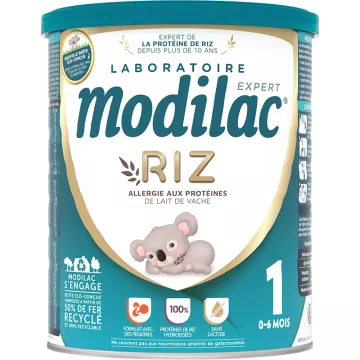
Modilac Expert Rice & Milk Infant Formula, Stage 1, 0–6 Months Modilac Expert Rice & Milk Infant Formula, Stage 1, 0–6 Months
€34.25
Shipped in 5 to 7 working days

What is the difference between food intolerance and food allergy?

Food intolerance and food allergy are often confused, but their mechanisms are fundamentally different. An allergy involves the immune system (an IgE-mediated reaction) and can cause severe symptoms, including anaphylactic shock, within minutes. Intolerance is a digestive or metabolic disorder—such as an enzyme deficiency, chemical sensitivity, or a reaction to natural substances—that does not involve the immune system. Its symptoms are less urgent but chronically debilitating and often underdiagnosed:

  • Diarrhea, bloating, and gas.
  • Abdominal pain and cramps.
  • Headaches, fatigue, and brain fog.
  • Mild skin irritations.

These symptoms often appear several hours after ingesting the triggering food, making identification difficult without a systematic elimination process. An intolerance can also be dose-dependent: small amounts may be tolerated without a reaction, while symptoms develop once a certain threshold is exceeded.

What are the most common foods and substances involved?

The most common intolerances involve:

  • Lactose (dairy products): lactase deficiency.
  • Gluten: non-celiac gluten sensitivity—distinct from celiac disease, an autoimmune disorder.
  • Fructose: intestinal fructose malabsorption, which is common but often unrecognized.
  • Histamines: found in red wines, aged cheeses, deli meats, and canned fish—they are not broken down in people with diamine oxidase deficiency.
  • Food additives: sulfites, monosodium glutamate, synthetic dyes.

A single person may have multiple intolerances, which makes identifying triggers more difficult.

How is a food intolerance diagnosed?

The diagnosis is based on a structured method:

  • A food and symptom diary kept for 2 to 4 weeks, correlating meals with reactions.
  • Elimination diet: removal of suspected foods for 3 to 6 weeks, followed by gradual reintroduction to identify triggers.
  • Breath tests for lactose and fructose intolerance (measurement of exhaled hydrogen).
  • Blood tests for celiac disease (anti-transglutaminase antibodies)—not to be confused with non-celiac gluten sensitivity.

A healthcare professional (gastroenterologist or dietitian) is essential to interpret the results and avoid unnecessarily restrictive diets.

What treatments and strategies are available to manage intolerances?

The primary approach is to eliminate trigger foods, ideally in a targeted rather than blanket manner. Some complementary strategies:

  • Enzyme supplements: lactase for lactose intolerance, diamine oxidase (DAO) for histamine intolerance.
  • Improvement of gut flora through probiotics and prebiotics, which support the intestinal barrier and the digestion of fermentable substrates.
  • A low-FODMAP diet (fermentable sugars) for irritable bowel syndrome, which is often associated with multiple intolerances.
  • Consultation with a dietitian to maintain nutritional balance despite food eliminations.

What dietary alternatives are available for people with food intolerances?

Depending on the identified intolerances, targeted substitutions can help maintain a varied and nutritionally complete diet:

  • Lactose-free: fortified plant-based milks, soy yogurt, and low-lactose aged cheeses.
  • Gluten-free: rice, quinoa, buckwheat, corn flour, potatoes—and certified gluten-free products.
  • Low in fructose: leafy vegetables, slightly unripe bananas, citrus fruits in small quantities.
  • Low in histamine: fresh, unfermented foods; cook immediately; avoid leftovers.

Keeping a journal of gradual reintroduction helps establish your tolerance threshold for each food, avoiding unnecessarily broad eliminations that deplete the gut microbiota.

Can food intolerances change over time?

Yes: an intolerance can develop at any age, even in an adult who previously tolerated the food in question. This phenomenon can be explained by changes in the gut microbiota, aging of the mucous membranes, chronic stress, or hormonal changes. Intolerances are not necessarily permanent: after a prolonged elimination period and restoration of digestive function, some people regain partial tolerance. Persistent digestive difficulties should always be evaluated by a healthcare professional to rule out an underlying condition such as chronic inflammatory bowel disease or undiagnosed celiac disease. Managing food intolerances with the help of professionals significantly improves quality of life by reducing symptoms, preventing nutritional imbalances, and enabling greater social participation around mealtimes.