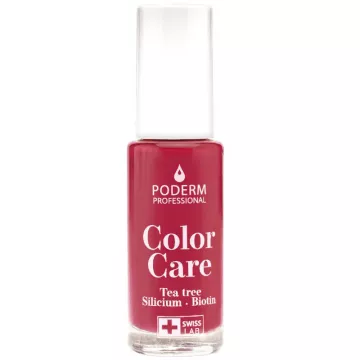
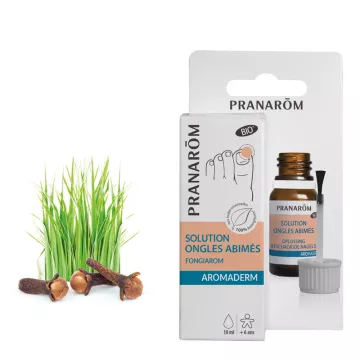
A fungicide is any substance capable of killing fungi or inhibiting their growth. In human medicine, fungicides—more commonly known as antifungals—are used to treat superficial fungal infections (skin fungal infections, nail fungus, oral or vaginal candidiasis) or deep fungal infections (in immunocompromised patients). Topical antifungal medications (creams, ovules, nail polish) are available over the counter for well-identified, mild infections; systemic forms (oral, intravenous) require a prescription. The dermatological care products are available in the store’s fungal infections and dermatology sections.
Antifungals work primarily by disrupting the synthesis of ergosterol, the lipid that forms the cell membrane of fungi—a substance absent from human cells, making it an ideal therapeutic target. Azoles (clotrimazole, miconazole—as topical creams) inhibit its synthesis, while polyenes (amphotericin B—hospital-grade) bind directly to ergosterol and create pores in the fungal membrane. Terbinafine, used as a cream and in tablets for onychomycosis, blocks squalene epoxidase in the ergosterol biosynthetic pathway.
The most common fungal infections treated with over-the-counter medications affect the skin (dermatophytoses—athlete’s foot, ringworm), the nails (candidiasis and onychomycosis), and the mucous membranes (vaginal candidiasis caused by Candida albicans). A prior medical diagnosis is recommended before any treatment, particularly for recurrent infections, onychomycosis (which often requires several months of treatment), and infections in individuals with diabetes or who are immunocompromised.
Among plants with antifungal activity, lavender essential oil (Lavandula angustifolia) has documented activity against Candida albicans and dermatophytes in vitro; it is used diluted to 2–3% in a vegetable oil for topical application to the skin. Propolis also exhibits antifungal activity against Candida, particularly when used orally (as a spray or mouthwash). Zinc, taken orally (10–15 mg/day) or in topical formulations (zinc pyrithione for seborrheic dermatitis and fungal dandruff), strengthens the skin barrier and exerts local antifungal activity. Recurrent superficial skin infections may also benefit from systemic immune support through vitamin D3 and probiotics, which strengthen mucosal resistance.
Preventing fungal infections relies on maintaining an intact skin and mucosal barrier: thorough drying after bathing (especially between the toes), wearing breathable shoes in damp public areas (swimming pools, locker rooms), changing into fresh cotton underwear daily, and minimizing risk factors—prolonged moisture, maceration, hyperglycemia in cases of diabetes, and long-term antibiotic therapy, which disrupts the microbiome and promotes the proliferation of Candida.
Resistance to antifungals is a growing phenomenon, particularly in Candida auris (a multidrug-resistant hospital-acquired pathogen) and certain strains of dermatophytes. It is promoted by underdosed, incomplete, or repeated antifungal treatments without a confirmed mycological diagnosis. For recurrent infections or those that do not respond to standard treatment, a medical consultation with a mycological specimen is required before renewing or changing the treatment.