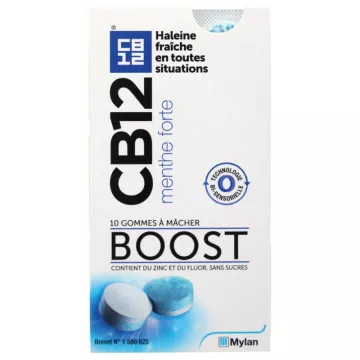
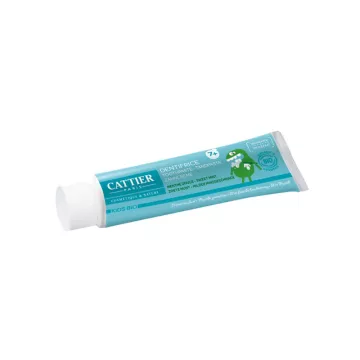
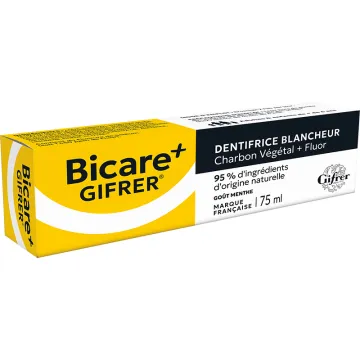
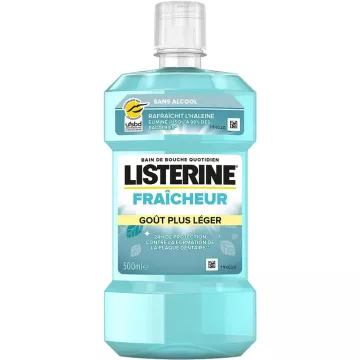
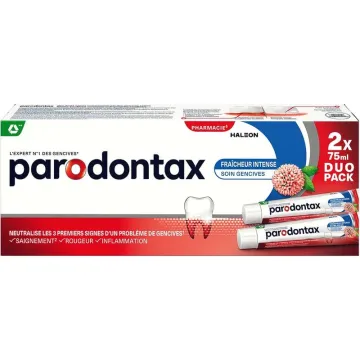
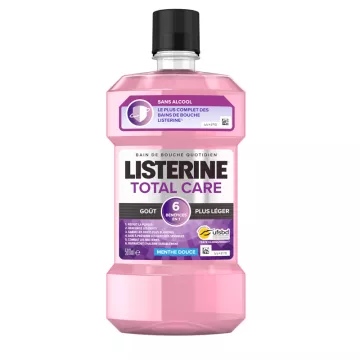
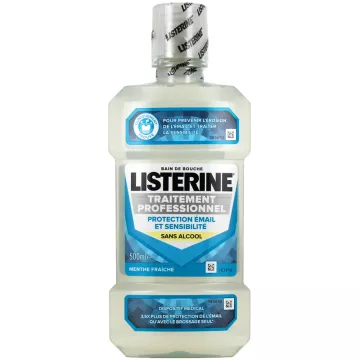
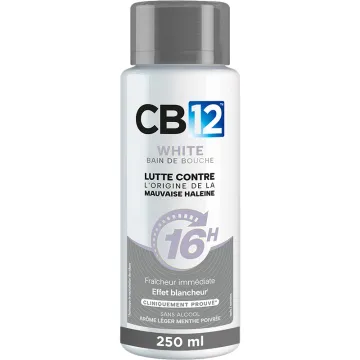
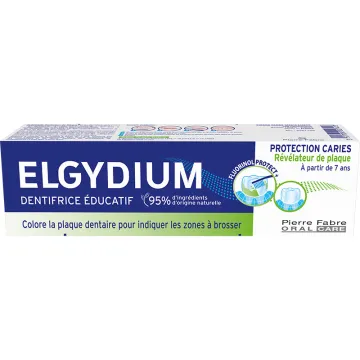
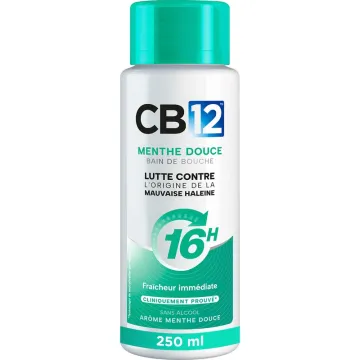
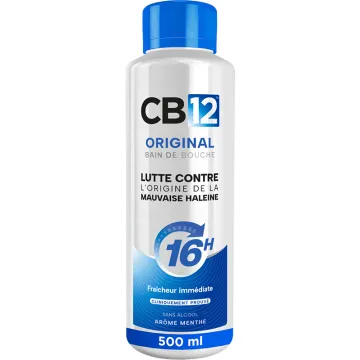
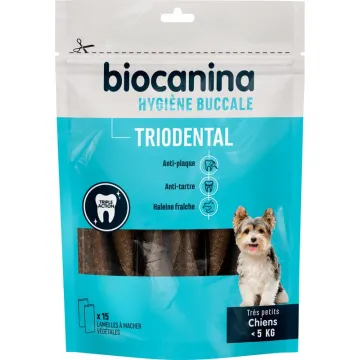
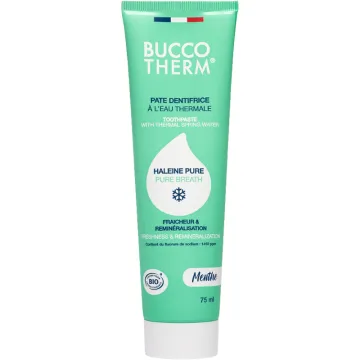
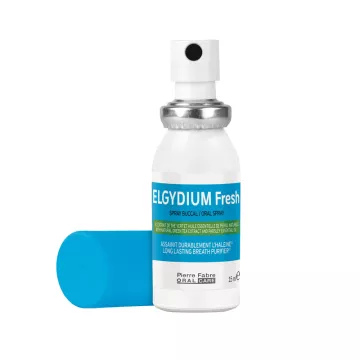
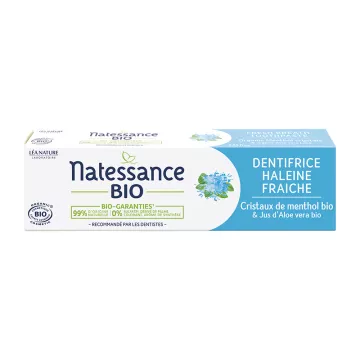
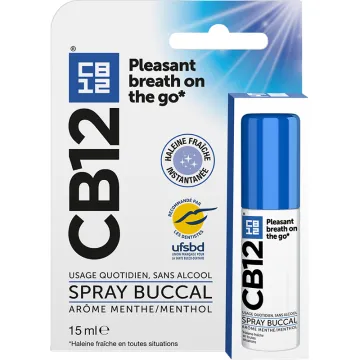
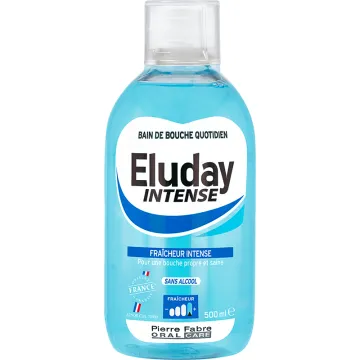
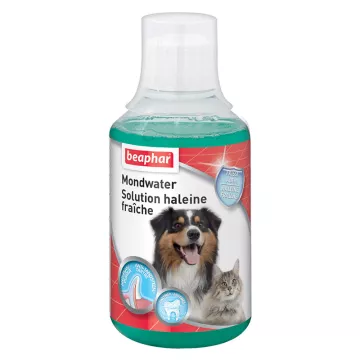
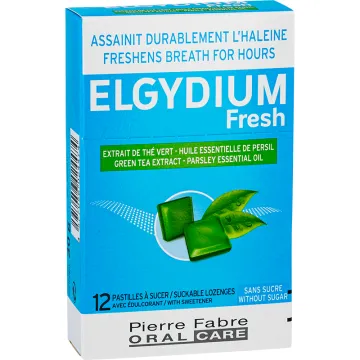
Long-lasting fresh breath doesn’t come from gum or sprays—those are just temporary cover-ups. What really works is neutralizing the anaerobic bacteria that produce the volatile sulfur compounds responsible for bad odors. These bacteria thrive in places where oxygen is scarce: the back of the tongue, between the teeth, and in gum pockets. Appropriateoral hygiene products and toothbrushing techniques are available in the store. To understand the mechanisms of halitosis and its medical causes, the bad breath page provides detailed information on these topics.
Tongue scraping is the simplest and most underrated practice: when done every morning, it reduces the odor-causing compounds produced overnight—when saliva is virtually absent and bacteria multiply freely—by 40 to 75 percent. Dental floss or interdental brushes are an essential complement—40% of tooth surfaces remain inaccessible to a toothbrush alone.
Several plants and natural products actually target the bacteria responsible for bad breath, going far beyond simply masking the odor. Parsley contains chlorophyll, a natural deodorizer that neutralizes residual sulfur compounds after a garlic-rich meal. Fresh mint stimulates saliva production and releases antibacterial essential oils. Basil, sage, and thyme have documented antiseptic properties against oral bacteria.
Baking soda used as a mouthwash (1 teaspoon in a glass of lukewarm water) alkalizes the oral pH, creating an environment hostile to bacteria that thrive in acidic conditions. Green tea, rich in catechins, reduces the bacterial load in the mouth and inhibits the production of VOCs—several clinical studies confirm its effectiveness against halitosis. Propolis mouth spray is also effective against the main bacteria involved in halitosis, including Porphyromonas gingivalis.
Tobacco is a two-fold problem: its chemicals irritate the mucous membranes and reduce saliva production, but it also masks gum bleeding through vasoconstriction—which can delay the diagnosis of underlying gingivitis or periodontitis. Quitting smoking improves breath within a few weeks and gradually restores normal blood flow to the gums.
Alcohol directly and persistently dries out the mouth—even after the smell of alcohol has dissipated, the residual dryness promotes bacterial growth for several hours. Many medications have the same effect by inhibiting the salivary glands: antihistamines, antidepressants, medications for high blood pressure (diuretics, beta-blockers), and antipsychotics. If a medication is suspected to be the cause, discussing it with your doctor may help identify a better-tolerated alternative.
When breath remains unpleasant despite rigorous oral hygiene, an underlying cause can almost always be identified. At the dentist’s office, a periodontal exam can detect gum pockets or an infection site. If the dental exam is normal, your primary care physician may refer you to a gastroenterologist (for acid reflux), an ENT specialist (for sinusitis or tonsillitis), or check your blood sugar and kidney function.