What is fibromyalgia, and how is it diagnosed?
Fibromyalgia is a chronic condition characterized by widespread musculoskeletal pain, persistent fatigue, sleep disturbances, and cognitive impairments—the “pain, fatigue, and brain fog” triad is its clinical hallmark. Arnaud, Ph.D. in Pharmacy, notes that fibromyalgia is a recognized medical condition requiring a diagnosis and specialized care—the supplements and comfort-enhancing products available in our pain relief line are intended only as complementary support.
- ACR 2010 Diagnostic Criteria: widespread pain for more than 3 months + high symptom score (fatigue, non-restorative sleep, cognitive impairments) + absence of an underlying condition explaining the symptoms—the diagnosis is clinical, with no specific biomarker
- Central sensitization: a central pathophysiological mechanism—the nervous system amplifies pain signals—allodynia (pain from light touch) and hyperalgesia (exaggerated pain) are its manifestations
- More common in women (7:1 ratio) — prevalence 2–4% of the general population
- Common triggers: physical or emotional trauma, viral infection, severe chronic stress — documented role of genetics
- Additional tests: aim to rule out differential diagnoses (rheumatoid arthritis, lupus, hypothyroidism, vitamin D deficiency)—there is no “positive” test for fibromyalgia
What medical treatments are recommended for fibromyalgia?
The treatment of fibromyalgia is multidisciplinary—no single therapy is sufficient. The recommendations of the French Society of Rheumatology favor a combined approach.
- Antidepressants (duloxetine, milnacipran, low-dose amitriptyline): proven efficacy for pain, sleep, and fatigue—regardless of the antidepressant effect
- Antiepileptic drugs (pregabalin, gabapentin): reduce central sensitization and associated neuropathic pain
- Physical therapy and adapted exercise: progressive physical activity is the best-documented intervention—walking, swimming, tai chi—starting at very low intensity and gradually increasing
- Cognitive-behavioral therapies (CBT): proven effectiveness in managing chronic pain and improving quality of life
- Avoid opioids: contraindicated in fibromyalgia (long-term exacerbation of central sensitization)
What supplements and herbs can support quality of life in fibromyalgia?
As a strict supplement to medical care and only after approval by the treating physician, certain natural active ingredients may help reduce the daily discomfort associated with chronic pain.
- Magnesium: a deficiency frequently documented in fibromyalgia—reduces neuromuscular hyperexcitability and improves sleep quality—300–400 mg/day of bisglycinate or malate
- Omega-3 (EPA/DHA): anti-inflammatory and neuroprotective properties — may reduce the intensity of widespread pain — to be discussed with a doctor (interactions with anticoagulants)
- Valerian: traditionally used for sleep disorders — may help improve the quality and depth of the non-restorative sleep characteristic of fibromyalgia
- B vitamins (B1, B6, B12): support the nervous system and energy metabolism — may help reduce associated chronic fatigue
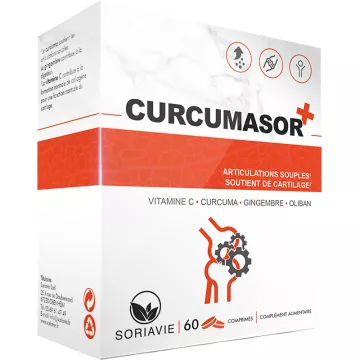
- Turmeric (curcumin): anti-inflammatory properties — may help modulate the inflammatory pathways involved in central sensitization — in a bioavailable form (with piperine or in liposomal form)
- Any supplementation should be discussed with a doctor—interactions with prescribed antidepressants and antiepileptic drugs must be checked
How can you improve your daily quality of life with fibromyalgia?
- Stress management: cardiac coherence, mindfulness meditation, gentle yoga—reduce hyperactivation of the sympathetic nervous system, which exacerbates pain
- Sleep hygiene: regularsleep schedule, cool and dark bedroom, avoid screens 1 hour before bedtime—non-restorative sleep is a major factor in maintaining symptoms
- Anti-inflammatory diet: Mediterranean diet (omega-3s, colorful vegetables, berries); limit refined sugars, alcohol, and caffeine—some patients identify specific trigger foods
- Pacing: an energy management technique—alternating activity and rest without exceeding one’s “energy budget”—prevents the boom-bust cycles that worsen fibromyalgia
- Support groups and patient organizations (FIBROMYALGIE FRANCE): a valuable complementary resource for coping strategies and emotional support