What is post-traumatic stress disorder (PTSD)?
Post-traumatic stress disorder (PTSD) is a psychiatric disorder that can develop after experiencing, witnessing, or learning about a traumatic event that threatens one’s life or physical well-being. It differs from acute stress reaction (< 1 month) in its persistence and lasting impact on functioning. PTSD requires treatment by a specialized healthcare professional. If you are in distress, 3114 (national hotline, 24/7) is available immediately. For acute trauma reactions, visit our emotional shock page. Explore our anti-stress product lines and our stress and sleep formulas to complement therapeutic care.
- DSM-5 Criteria for PTSD: exposure to a traumatic event (actual or threatened death, serious injury, sexual violence)—either firsthand, as a witness, upon learning of the event from a loved one, or through repeated exposure to details (healthcare providers, first responders, journalists)—symptoms persisting for > 1 month with significant functional impairment
- 4 symptom clusters (DSM-5): intrusive re-experiencing (flashbacks, nightmares, distress in response to trauma-related stimuli) — avoidance (of thoughts, people, places, or situations associated with the trauma) — cognitive and emotional disturbances (persistent negative beliefs, intense negative emotions, feelings of detachment, shame, guilt) — hyperarousal (hypervigilance, excessive startle responses, irritability, reckless behavior, sleep disturbances)
- Prevalence and risk factors: 7–8% of the general population will develop PTSD during their lifetime — not all traumas lead to PTSD (protective factors: strong social support network, early intervention) — risk factors: previous trauma, pre-existing anxiety disorder, lack of support, intensity and duration of the trauma, interpersonal trauma (violence, sexual assault)
- Neurobiology of PTSD: the amygdala is hyperactivated (exacerbated fear response) — the prefrontal cortex is hypoactive (impaired emotional regulation) — the hippocampus is impaired (disrupted contextual memory → non-contextualized traumatic memories → flashbacks) — cortisol levels often show an abnormal profile (low in the morning, dysregulation)
- PTSD in children: different manifestations — repetitive play reenacting the trauma — drawings and accounts of the event — behavioral regression — difficulty with separation — academic difficulties — consultation with a child psychiatrist or psychologist specializing in childhood trauma is essential
Standard-of-care treatments for PTSD
- EMDR (Eye Movement Desensitization and Reprocessing): the standard-of-care treatment validated by the WHO and the HAS for PTSD — bilateral eye movements while recalling the traumatic memory → desensitization and reprocessing — reduces the emotional intensity of the memory without erasing it — 8–12 sessions on average for a single trauma — find a certified EMDR therapist: emdr-france.org
- Trauma-Focused CBT (Prolonged Exposure Therapy — PE): repeated narrative exposures to the traumatic memory in a safe environment + gradual in vivo exposure to avoided situations — reduces the emotional burden of the memory through habituation — Cognitive Trauma Therapy (CT-T): restructuring of negative post-traumatic beliefs (“It’s my fault,” “I’m worthless”)—HAS-approved
- Somatic Experiencing (Peter Levine): working with the bodily sensations of trauma rather than the narrative — the body stores trauma in the form of residual tension and frozen defense reflexes — gradual release through micro-movements and regulation of the autonomic nervous system — particularly useful for traumas where verbalization is difficult
- Medications: SSRIs (sertraline, paroxetine—the only ones with marketing authorization for PTSD in France) — reduce amygdala reactivity and associated depressive symptoms — prazosin (for severe nightmares) — psychiatric prescription — medications do not treat PTSD on their own; they facilitate therapeutic work
- Timing of treatment: the earlier treatment begins (within weeks of the trauma), the better the prognosis — long-standing PTSD can also be treated effectively, recovery is possible at any time — do not cope alone with untreated PTSD → risk of self-medication (alcohol, substances) and comorbidities
Natural supplements as a therapeutic adjunct
- Omega-3 EPA: the best-documented natural supplements as an adjunct to PTSD treatment — reduce neuroinflammation and normalize the HHS axis response — studies show a reduction in PTSD symptoms and post-traumatic anxiety — EPA affects amygdala reactivity — 1–2 g EPA/day — to be started as early as the acute phase if possible
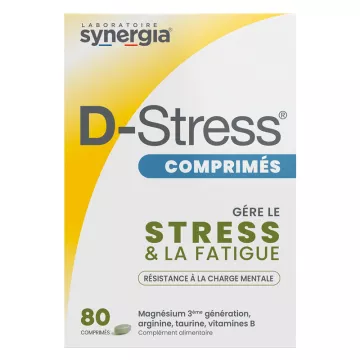
- Magnesium: regulates NMDA receptors involved in the consolidation of traumatic memories — potentiates GABA (acts as a brake on the hyperactivation of the fear circuit) — reduces hypervigilance and associated sleep disturbances — bisglycinate 300–400 mg/evening — an essential foundation for any natural treatment of PTSD
- B vitamins (B6, B12, B complex): cofactors in the synthesis of neurotransmitters depleted by post-traumatic stress (serotonin, dopamine, norepinephrine) — B6 + magnesium in combination to support serotonin — 4–8-week course
- Ashwagandha: reduces cortisol and normalizes the circadian sleep-wake rhythm, which is often disrupted in PTSD — improves sleep quality and reduces persistent anxiety — 300–600 mg of KSM-66 extract in the evening — as a supplement to therapeutic treatment, under the guidance of your doctor — explore our serenity and well-being formulas
- Mindfulness meditation: practice with caution in active PTSD (may trigger flashbacks) — under the guidance of a trauma-trained therapist — the trauma-adapted MBSR program improves emotional regulation skills — trauma-sensitive yoga has been documented in studies on complex PTSD
Support, resources, and guidance in France
- Social network and loved ones: support from those around you is a major protective factor — listen without judgment, without forcing the person to verbalize their feelings — do not minimize the experience (“that’s in the past, move on”) — Respect the need for space while remaining available — Offer practical help (accompanying the person to medical appointments)
- Specialized resources in France: France Victimes: 116 006 (European number, toll-free) — EMDR France: emdr-france.org (directory of certified therapists) — Psycom: psycom.org (PTSD guide) — AFVT (French Association of Victims of Terrorism) — Doctors Without Borders — medical-psychological emergency response teams (CUMP) following mass incidents
- Emergencies: 3114 — national suicide prevention hotline, available 24 hours a day — SAMU 15 in case of a medical emergency — do not remain alone if you are in a state of acute distress
- MonPsy: partial reimbursement for 8 sessions with a psychologist per year (referral from a primary care physician is required) — psychologists trained in EMDR or trauma-focused CBT should be prioritized — CMPPs (Medical-Psychological-Educational Centers) for children and adolescents — CMPs (Medical-Psychological Centers), which are free for adults with a medical referral
- Support groups: victim support organizations — support groups led by professionals — sharing experiences with peers who have gone through similar situations can reduce the isolation and shame often associated with PTSD