What is the facial contour, and why does it sag with age?
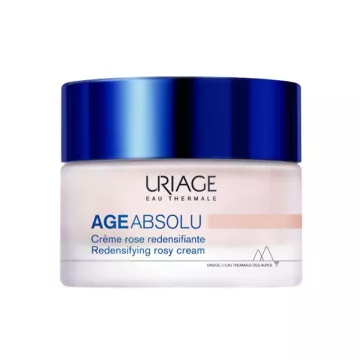
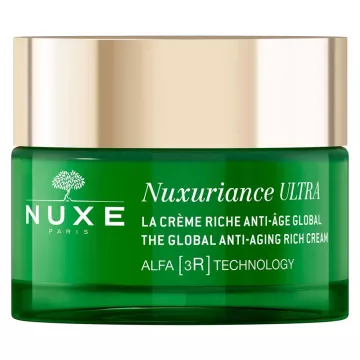
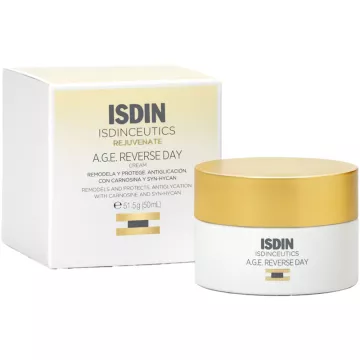
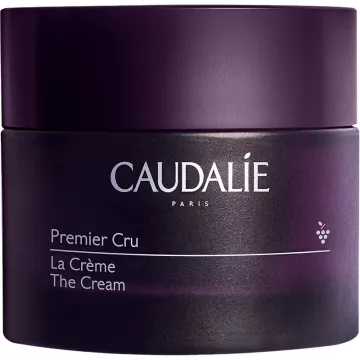
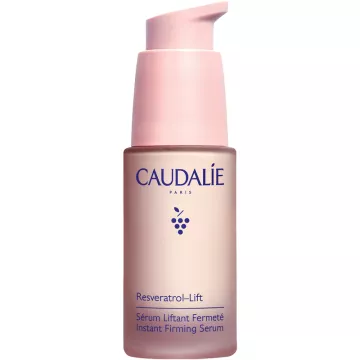
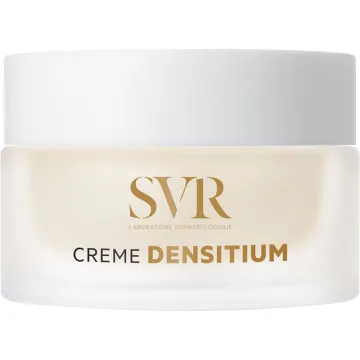
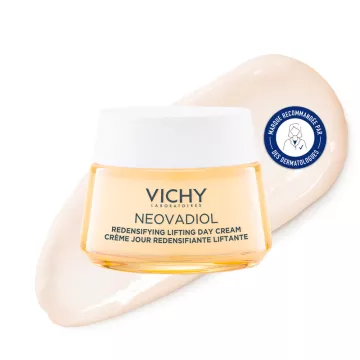
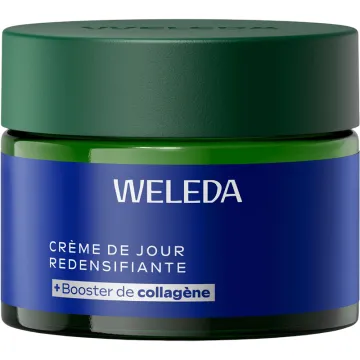
The facial contour refers to the outer outline of theface —from the forehead to the chin, including the cheeks and jawline. Its definition is a perceived marker of youth and skin firmness. As we age, several factors combine to make this contour less defined: volume loss (diminishment of deep fat and bone tissue), skin laxity (loss of collagen and elastin), and muscle sagging all contribute to the “drooping” appearance of the facial contour. Anti-aging and firming skincare products are available in the store.
- Loss of collagen and elastin: starting at age 25, collagen production decreases by about 1% per year—by age 50, 25% of the skin’s collagen is lost—elastin breaks down and loses its ability to contract—the skin becomes looser and the facial contour loses its definition
- Photoaging (helioderma): a major accelerating factor—UV rays (UVA and UVB) directly degrade collagen and elastin fibers via matrix metalloproteinases (MMPs)—daily sun protection with SPF 30 to 50+ is the most scientifically documented anti-aging measure
- Loss of deep fat pads: the subcutaneous “fat pads” that support the cheeks shift downward due to gravity — hollowing of the cheeks and formation of a more pronounced nasolabial fold
- Modifiable aggravating factors: smoking (stimulates MMPs + reduces microcirculation) — high-glycemic-index diet (glycation of skin proteins) — lack of sleep — chronic stress — sedentary lifestyle
Which cosmetic active ingredients preserve and firm the facial contour?
Several well-documented active ingredients target the mechanisms of skin sagging. Consistent and regular application over several weeks to months is essential to see visible results—anti-aging results are never immediate with cosmetics.
- Cosmetic retinol: the best-documented anti-aging active ingredient — stimulates fibroblasts to produce more collagen — accelerates cell turnover — use only at night; photosensitizing; start with a low concentration; contraindicated during pregnancy and breastfeeding
- Tightening and signalingpeptides: protein fragments that “signal” fibroblasts to produce collagen—immediate-action tightening peptides (transient optical lifting effect) vs. long-term bioactive peptides (Matrixyl, Argireline) — excellent tolerance profile, compatible with all skin types
- Hyaluronic acid: water retention in the dermis and epidermis — plumping and volumizing effect — visually improves cheek contour and facial definition — high- and low-molecular-weight forms combined for multi-level action
- Vitamin C: a cofactor in collagen synthesis — a powerful antioxidant against oxidative stress — improves radiance and evens out skin tone — should be used alternately with retinol (not simultaneously for sensitive skin)
- Dietary supplements: oral hydrolyzed collagen (studies on improved skin elasticity with 2.5 to 10 g/day over 8 to 12 weeks—encouraging results) — Vitamin C, essential for its absorption — Oral hyaluronic acid — Topical hyaluronic acid used in synergy
Complementary techniques to redefine the facial contour
- Facial massages and drainage: Gua sha massage (using quartz or jade) stimulates microcirculation and lymphatic drainage — reduces water retention responsible for puffy cheeks — when performed daily, it improves radiance and can visually refine the facial contour — technique: firm, gliding movements from the chin toward the temples, following the contour of the face
- Facial exercises: targeting the facial muscles (risorius, neck muscles, masseter) — regular exercise of the underlying muscles can contribute to a more toned contour — modest but real results documented over 12 to 20 weeks of daily practice — complementary to topical treatments
- Non-invasive medical technologies: radiofrequency (heat in the deep dermis—collagen stimulation—gradual results over 3 to 6 months) — HIFU (High-Intensity Focused Ultrasound / Ultherapy—contraction of the SMAS, the facial support tissue—documented non-surgical lifting effect)—infrared LED (photobiomodulation—fibroblast stimulation)—these procedures are performed by an aesthetic physician or dermatologist
- Daily sun protection: SPF 30 to 50+ year-round — the only proven way to prevent helioderma and UV-induced degradation of elastic fibers — incorporate into your morning routine before going outside, even on cloudy days