Emotional soothing refers to the ability to regulate the intensity of a disruptive emotion—anger, fear, sudden sadness, or an anxiety-induced outburst—in order to regain an inner state of calm sufficient to resume the normal course of life. It differs from chronic emotional management (long-term work on patterns) in that it addresses an immediate need: putting out the emotional fire of the moment. Physiologically, emotional soothing results from the shift from the sympathetic nervous system (alert mode) to the parasympathetic nervous system (recovery mode), which is activated by slow breathing, reassuring physical contact, warmth, or certain anxiolytic agents. Regular meditation and relaxation lower the threshold for emotional reactivity over the long term, thereby reducing the frequency of outbursts that require emergency calming.
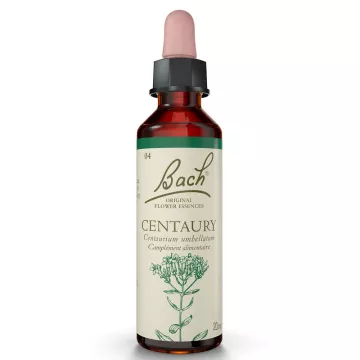
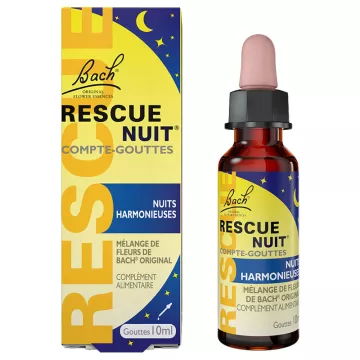
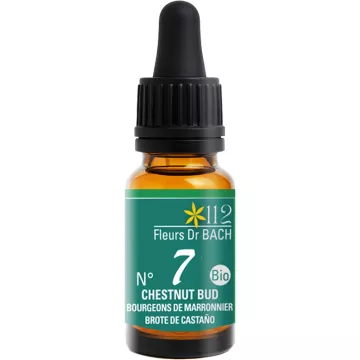
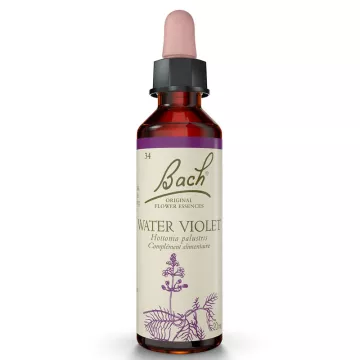
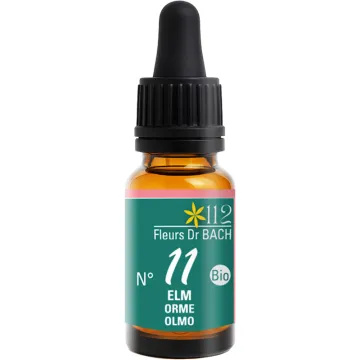
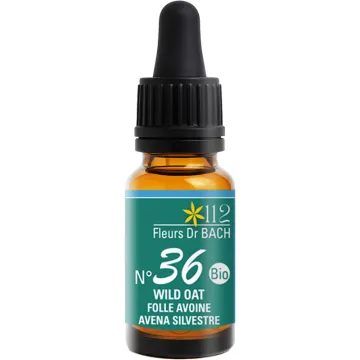
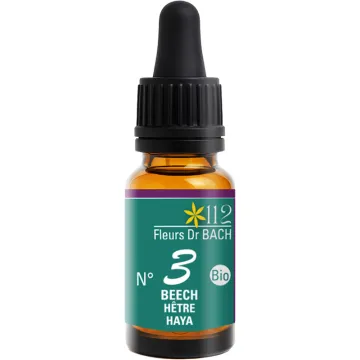
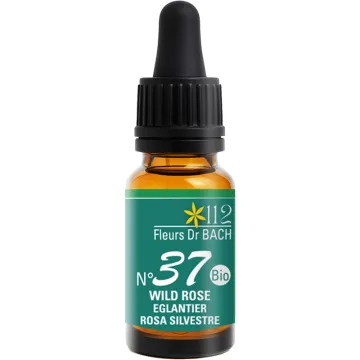
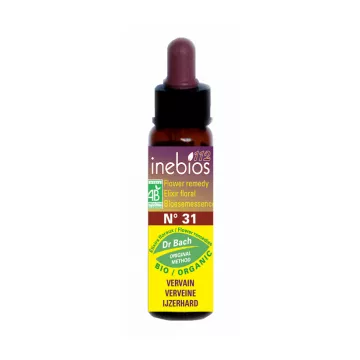
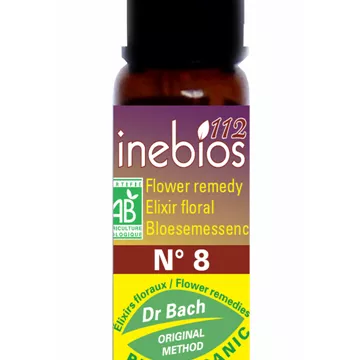
Cardiac coherence (5 breaths per minute—inhale for 5 seconds, exhale for 5 seconds—for 5 minutes) is the most well-documented technique for inducing emotional calm within minutes: it activates the vagus nerve, stimulates the parasympathetic nervous system, and reduces cortisol. The 4-7-8 technique (inhale for 4 seconds, hold for 7 seconds, exhale for 8 seconds) is particularly effective for acute anxiety episodes. The STOP technique (Stop, Take a Breath, Observe, Proceed), derived from mindfulness, helps create a space between the emotion and the reaction. Contact with nature (a 20-minute walk outdoors) measurably reduces activity in the amygdala. For emotional emergencies, Rescue Remedy (a combination of 5 Bach Flowers—Cherry Plum, Clematis, Impatiens, Rock Rose, and Agrimony) is available in drops, spray, or lozenges for use during acute emotional crises.
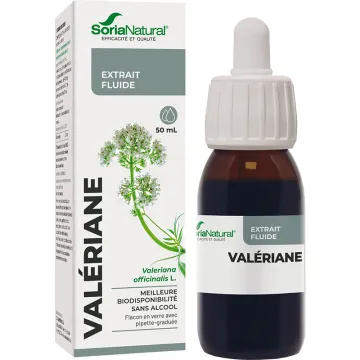
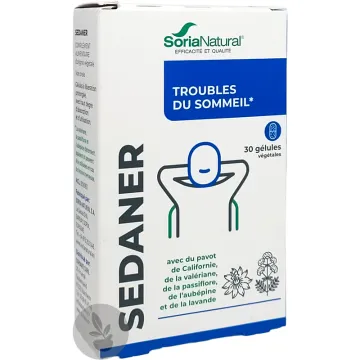
For lasting emotional calm, several natural active ingredients act on the neurochemical systems involved in emotional reactivity. Magnesium bisglycinate (300 mg/day) reduces neuromuscular and emotional hyperexcitability—a chronic deficiency of this mineral is one of the most common causes of excessive emotional reactivity and irritability. Valerian (EMA: well-established use—valerenic acid) exerts a GABAergic anxiolytic and mild sedative effect—ideal for periods of emotional stress and difficulty falling asleep linked to unresolved emotions. Omega-3 EPA-DHA (1 to 3 g/day) modulate neurological inflammation and improve long-term emotional regulation. Griffonia (5-HTP) supports the balance of serotonin, the neurotransmitter associated with serenity — Absolute contraindication with SSRIs, SNRIs, tramadol, and St. John’s wort. These approaches complement behavioral therapies—they do not replace medical or psychological care in cases of established emotional disorders.