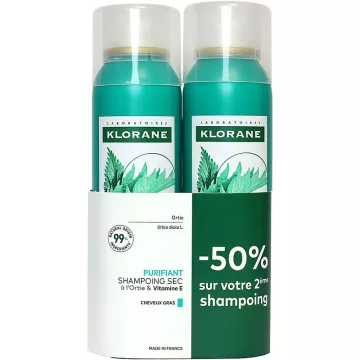
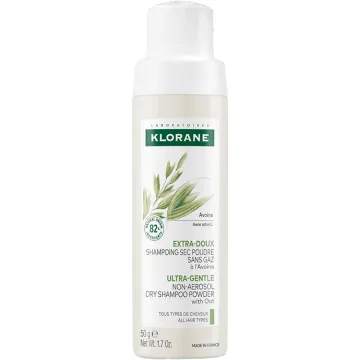
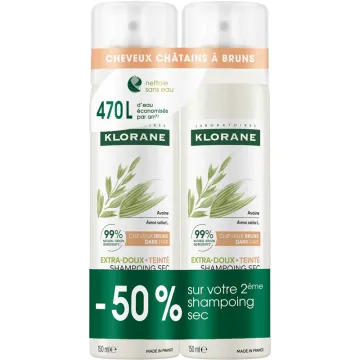
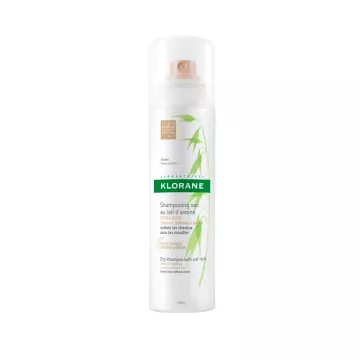
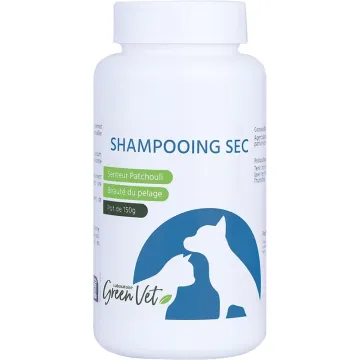
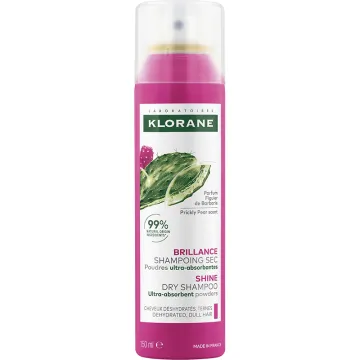
Dry shampoo is a hair care product designed to refresh hair without water. It absorbs excess oil and impurities using absorbent powders such as cornstarch, rice starch, or clay. These ingredients neutralize oils and restore a clean, voluminous look to the roots. Particularly useful for busy schedules, travel, or for spacing out washes, it comes in spray or powder form. It’s a practical ally between regular shampoo washes, though it’s not a substitute for them. Dry shampoo fits into a modern hair care routine, complementing traditional washing.
Dry shampoo offers several practical benefits:
It also helps a blowout last longer and pairs well with a solid shampoo as part of a minimalist routine.
Proper application prevents unsightly white residue. Shake the bottle before use to thoroughly mix the ingredients. Section your hair to reach the roots. Spray the product 20–30 cm from the scalp, focusing on the oiliest areas. Let it sit for 2 to 5 minutes so the powder can absorb the sebum. Then gently massage the scalp with your fingertips to distribute the product. Finally, brush or comb thoroughly to remove any residue and achieve a clean, voluminous finish. For curly hair, apply only to the roots to avoid drying out the curls. Maintaining the correct spraying distance is essential for even distribution without a powdery finish.
Dry shampoo should be used in moderation. For most people, once or twice a week is enough to space out regular washes. Excessive use leads to a buildup of residue on the scalp, which can cause itching and discomfort. It is not a substitute for washing: it’s a quick fix between shampoos, but it does not thoroughly cleanse the scalp of dead skin cells, pollutants, and styling product residue. Regular washing with a mild shampoo and conditioner remains essential for a healthy scalp. The proper way to use it is to incorporate it occasionally, without making it a permanent substitute for washing with water.
Dry shampoo has a few limitations you should be aware of. It can leave white or powdery residue if applied incorrectly or used in excessive amounts, which is particularly noticeable on dark hair. Excessive use leads to buildup on the scalp, which can cause itching or irritation. Its effectiveness is limited: it masks the feeling of greasy hair without actually cleansing the hair shaft of pollutants and residue. Finally, using it too often can dry out the scalp and hair. For oily hair, it’s a quick fix but doesn’t address the root cause of excess sebum. When used correctly and in moderation, it remains a practical solution; when misused, however, it can actually throw the scalp out of balance.
Several factors guide your choice. First, your hair type: a volumizing formula for fine hair, and a gentler, more hydrating formula for curly or dry hair to prevent dryness. Next, hair color: some dry shampoos are tinted to blend better with dark or colored hair and prevent a white residue. Ingredients: opt for formulas made with natural powders, free of controversial ingredients. For colored hair, choose a sulfate-free product that’s suitable for your hair type. Check the ingredients and test it on a small area to find the product that best suits your needs and hair color.
You can make your own dry shampoo at home using simple ingredients.Cornstarch effectively absorbs excess sebum. Unsweetened cocoa powder is suitable for dark hair to prevent white residue. Colloidal oatmeal absorbs oil while soothing the scalp. A basic recipe combines 1/4 cup of cornstarch, optionally 1/4 cup of cocoa powder for dark hair, and 5 to 10 drops of essential oil (lavender, peppermint). Apply the powder to the roots with a brush, massage it in, let it sit for a few minutes, then brush it out. Baking soda, in very small amounts, can be a quick fix but is alkaline and should be avoided for regular use. These alternatives should be used sparingly and brushed out thoroughly.
Dry shampoo may cause allergies or irritation in people with sensitive scalps or who are allergic to certain ingredients (itching, redness). It is recommended to perform a patch test on a small area 24 hours before first use. It has no proven effectiveness against hair loss: by spacing out washes, it merely reduces the frequency of washing without addressing the underlying cause of hair loss, which requires a dermatologist’s evaluation. From an environmental perspective, aerosol versions have an impact due to propellants and packaging: opt for powder formats, recyclable packaging, and natural, biodegradable ingredients for more sustainable use. For hair extensions, apply it to the natural roots, avoiding the attachment bands, and brush gently without pulling.