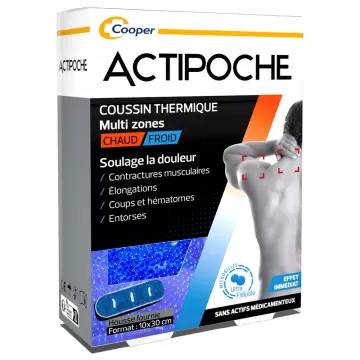
What is a heating pad, and how do you choose between dry and moist heat?
A heat pad is a reusable thermotherapy device—to be distinguished from a heating patch (single-use, portable, iron oxidation). Its reusability and adjustable temperature make it the go-to device for at-home thermotherapy sessions. Our joint pain and self-care product line offers complementary solutions.
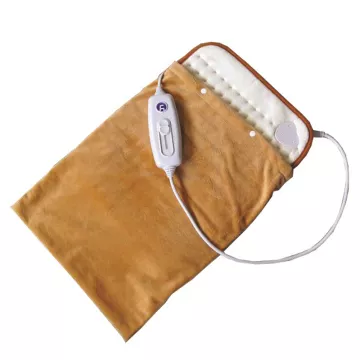
- Dry heat (electric): adjustable constant temperature—long sessions possible—automatic safety shut-off—ideal for chronic lower back and upper back pain requiring repeated thermotherapy
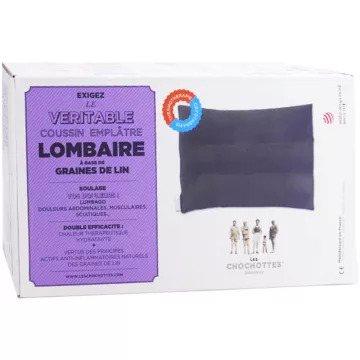
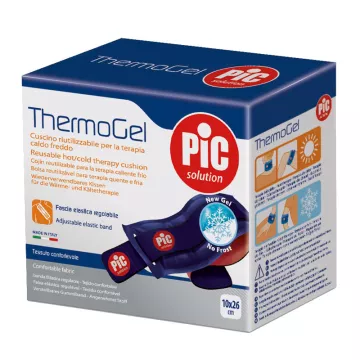
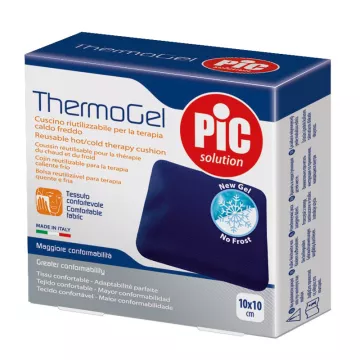
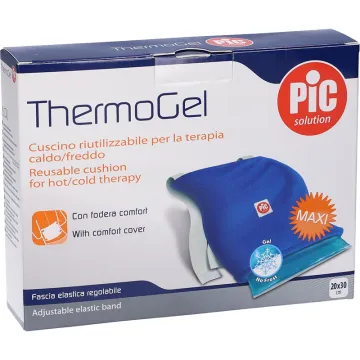
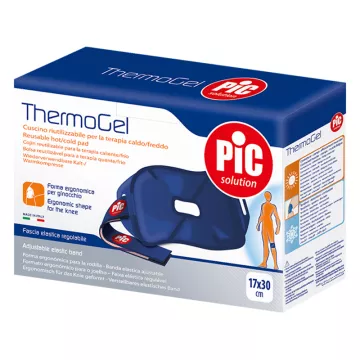
- Moist heat (microwaveable, seeds, gel): penetrates deeper into the tissues — gentler heat — particularly effective for tight muscles and stiff joints — limited duration (15–30 min of active heat)
- Anatomical shapes: cervical (wrapping around the trapezius muscles and neck), lumbar (conforming to the curve of the back), knee, shoulder—choose the shape appropriate for the area being treated
- Heat pad vs. heating patch: heat pad = targeted at-home sessions (20 min, intense heat) — heating patch = continuous thermotherapy for 8–12 hours on the go — the two are complementary
For which types of pain should you use a heat pad?
Heat therapy using a pad is recommended for chronic pain and muscle spasms—never on a recent acute inflammatory injury (< 48 hours).
- Osteoarthritis and chronic joint pain: Apply heat before moving to prepare the cartilage and periarticular muscles—this improves mobility and reduces morning stiffness
- Lower back pain and upper back muscle spasms: apply to the lower back for 15–20 minutes, 2–3 times a day—before physical therapy to relax the paravertebral muscles
- Torticollis and neck tension: wraparound neck pillow—complements the natural remedies on our torticollis page
- Menstrual cramps: place the cushion on the lower abdomen—effectiveness comparable to ibuprofen in some studies for moderate dysmenorrhea
- Morning stiffness (rheumatism, fibromyalgia): 15–20-minute session upon waking before getting out of bed — helps with the first movements of the day
Heating pad vs. cold compress: when to use one or the other?
Heat and cold act on opposing mechanisms — confusing the two can worsen pain.
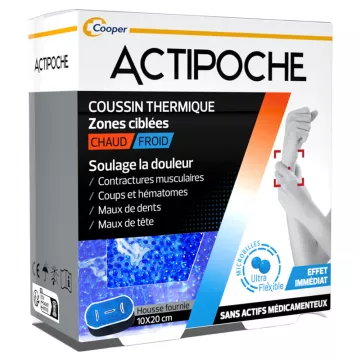
- Heating pad (heat): chronic pain, muscle spasms, stiffness, osteoarthritis, preparation for movement—vasodilation + tissue oxygenation + muscle relaxation
- Cold compress or ice cubes: acute injury < 48 hours (sprain, contusion, strain) — vasoconstriction + reduced swelling + analgesic effect — 15 minutes, 4–6 times per day
- Mnemonic rule: acute = cold, chronic = heat — applying heat to a recent sprain worsens inflammation and swelling
- Certain conditions can tolerate alternating use of both (cryotherapy + thermotherapy): post-exercise muscle pain, athletic recovery — alternate 10 minutes of cold followed by 10 minutes of heat
- Arthritis with an acute inflammatory flare-up (joint is hot and red): cold is preferable — heat is contraindicated during the active inflammatory phase
How do you use a heating pad, and what precautions should you take?
- Optimal duration: 15–20 minutes per session—any longer increases the risk of skin burns and thermal adaptation (loss of effectiveness)—repeat 2–3 times a day
- Never apply directly to bare skin: Place a thin cloth between the pad and the skin—this protects against burns and distributes heat evenly
- Check the temperature before application: the wrist is more sensitive than the palm—always test on a less sensitive area (back, knee) first
- Do not use at night with electric models that do not have a guaranteed automatic shut-off feature—risk of burns from prolonged contact while sleeping
- Contraindications: damaged or burned skin, active eczema—diabetes with peripheral neuropathy (reduced skin sensitivity)—severe circulatory disorders