Choosing the right colors—whether for makeup or hair color—is essential for enhancing your natural beauty. It all starts with your skin tone. Fair skin tones are brightened by soft colors (pale pink, beige), medium skin tones by warm tones (golden, bronze), and dark skin tones by vibrant colors (burgundy, emerald). This principle of harmony applies equally to makeup and hair color. The goal isn’t to follow a rigid rule, but to find shades that complement your skin tone to bring out your face’s radiance. Understanding a few color principles allows you to create flattering combinations, from your complexion to your hair.
Beyond the visible color of the skin, undertone is the key factor in choosing colors. There are three main categories:
A simple tip: look at the color of the veins on your wrist (greenish for warm, bluish for cool). This undertone guides your choice of both foundation and hair color.
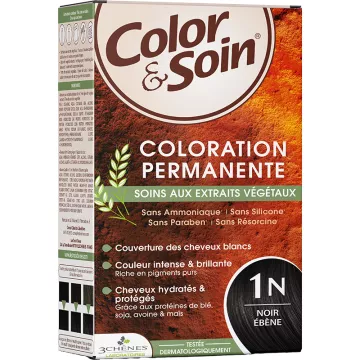
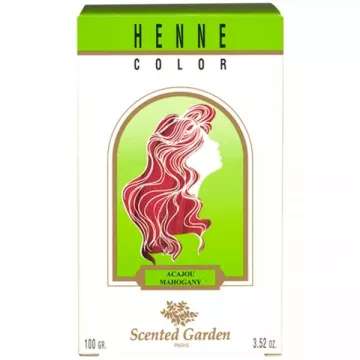
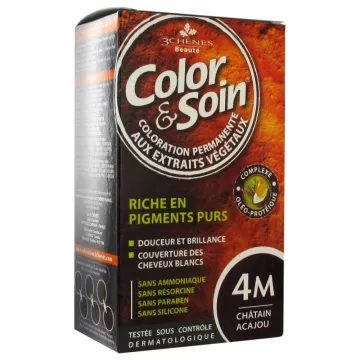
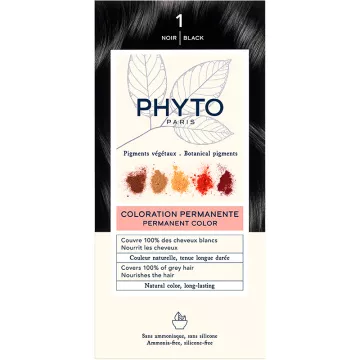
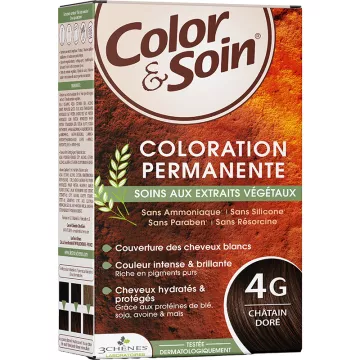
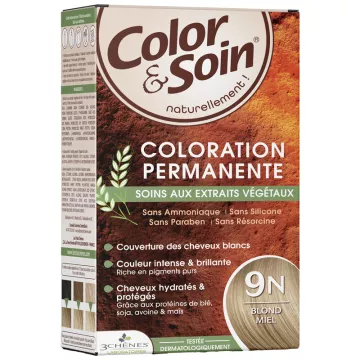
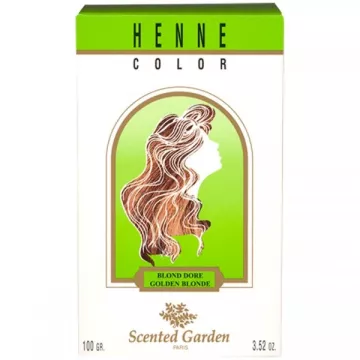
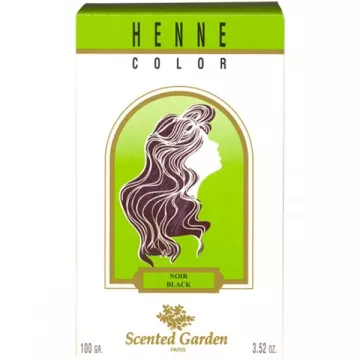
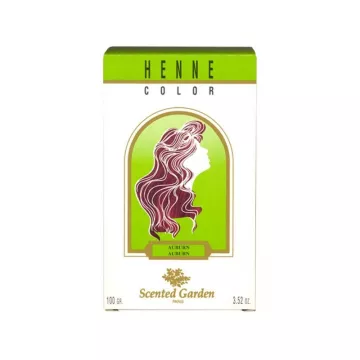
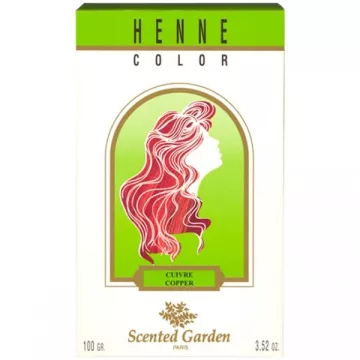
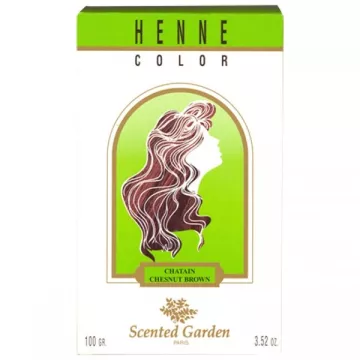
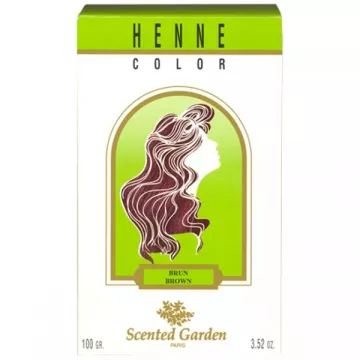
Choose a hair color that harmonizes with your skin tone, eye color, and personal style. People with cool undertones can experiment with platinum, bluish black, or ash tones, while those with warm undertones look best in golden, coppery, or auburn shades. Beyond aesthetics,maintenance is key: certain shades—especially those farthest from your natural color—require frequent touch-ups and specific care. Natural henna hair coloring offers a gentle alternative to enhance your shade without damaging the hair shaft. For a more dramatic change, traditional hair dye expands the palette. Matching your hair color to your skin tone creates an overall harmony that brightens the face.
Contouring and highlighting rely entirely on the interplay of light and dark colors to sculpt the face. Dark shades create shadows that slim and define (under the cheekbones, the sides of the nose), while light shades draw light to the areas you want to highlight (the tops of the cheekbones, the bridge of the nose, the Cupid’s bow). The key to a successful result lies in blending: choose shades close to your natural skin tone—neither too sharp nor too contrasting—for a natural, subtle effect rather than a dramatic one. When done well, this interplay of light and shadow harmoniously reshapes the contours of the face. A well-chosen concealer completes this sculpting process by evening out the base before applying color.
Color-correcting is based on the principle of complementary colors: one shade neutralizes the opposite color on the color wheel. Thus, green concealers reduce redness, orange or peach tones camouflage bluish dark circles, and yellow concealers lighten purple spots and discoloration. For a harmonious result, apply these products in a thin layer under your foundation or concealer—never on top of them. The secret is moderation: a small amount applied to specific areas is enough; using too much creates a “mask-like” effect. This technique evens out the complexion without overloading it, by working intelligently with colors rather than piling on concealing products, for skin that looks natural and radiant.
Frequent use of hair dyes can damage the hair shaft, especially with products containing oxidizing agents likeammonia or peroxide. These ingredients open the cuticle and can dry out the hair, altering its natural texture over time. To minimize damage, there are several options: choose hair dyes enriched with nourishing agents, opt for ammonia-free formulas, or switch to plant-based dyes that coat the hair shaft without damaging it. Aftercare is just as important: a sulfate-free shampoo for color-treated hair, regular moisturizing treatments, and heat protection help preserve both the color and the health of the hair shaft. Spacing out color treatments also allows the hair to rest between applications.
Semi-permanent colors offer a gentler way to change your hair color. Generally free of peroxide and ammonia, they deposit color on the hair’s surface without penetrating deep into the cuticle, allowing you to change your look without altering the hair’s internal structure. Another advantage: they fade gradually, without a noticeable regrowth line, allowing you to vary your colors more frequently and experiment without a long-term commitment. They’re particularly well-suited for those who want to refresh their shade, darken it slightly, or test a new hue before making a more drastic change. On the other hand, they do not lighten the hair and do not last as long as permanent hair color. This balance between gentleness and flexibility makes them a popular choice for maintaining your hair color while being gentle on the hair shaft.
Colors play a decisive role in creating a fresh, youthful appearance. Bright, luminous shades give a healthy glow: a pink or peach blush mimics the natural radiance of the cheeks and brightens the complexion. Conversely, colors that are too dark or too bold can make features appear harsh. The choice of lipstick also contributes to this balance: light, glossy shades add volume to thin lips, while matte and dark shades define full lips. Seasonal trends (pastels in spring, rich tones in fall) invite you to experiment, but the key is to adapt these colors to your skin tone and personal style. When chosen well, colors enhance everything from your complexion to your hair, creating a luminous, harmonious overall look.