The clove —the dried bud of the clove tree (Syzygium aromaticum)—is much more than just a spice. Its whole, dried cloves contain 15–20% eugenol, one of the most powerful antiseptic compounds in the plant kingdom. In herbal medicine, a clear distinction is made between cloves used in infusions or tinctures —accessible and pre-measured forms—andessential oil, which is much more concentrated and can cause skin irritation. Explore our oral care and herbal medicine line.
Cloves vs. Clove Essential Oil: Two Very Different Products?
Same plant, but completely different levels of potency and uses.
- Whole cloves: 15–20% eugenol content—infusions, mother tinctures, direct oral applications—controllable dosage, well-suited for daily use
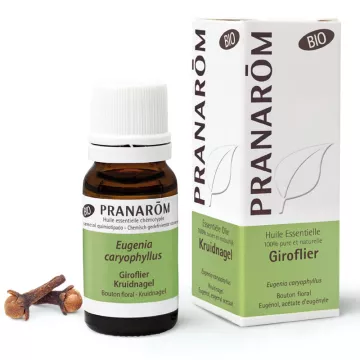
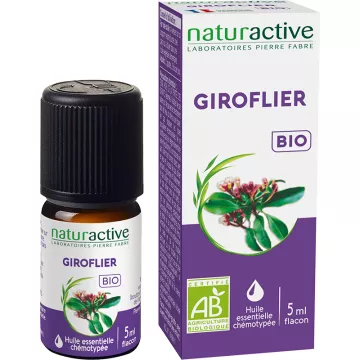
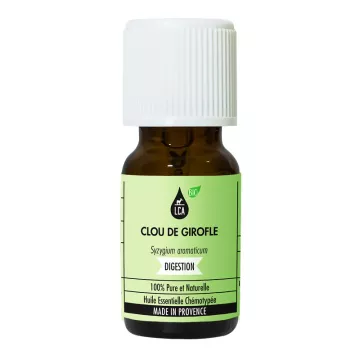
- Clove essential oil (flower buds): 70–90% eugenol — highly concentrated, dermocaustic, use with great caution — see our clove page for essential oil protocols
- To start with: whole cloves or mother tincture are the safest and most accessible forms—reserve the essential oil for occasional and targeted uses
- Clove powder: oxidizes rapidly after grinding—choose whole cloves and grind as needed to preserve the active eugenol
The most well-documented traditional use—and the easiest to incorporate into daily life.
- Occasional toothache: Gently bite down on a clove next to the painful tooth—eugenol is gradually released onto the mucous membranes—relief within 5–10 minutes
- Bad breath: Suck on a clove after a meal—eugenol neutralizes the sulfur compounds responsible for bad breath
- Mouth rinse: 3–4 cloves in 200 mL of boiling water, steep for 10 minutes—use as a mouthwash after it has cooled—has a cleansing effect on oral flora
- Irritated gums: 1 clove steeped in 100 mL of water, cooled — gargle gently twice a day
Clove infusion is one of the most potent digestive stimulants in traditional medicine.
- Slow digestion and post-meal bloating: 2–3 cloves in 250 mL, steep for 10 minutes — 1 cup after heavy meals
- Stomach heaviness: classic combination of cloves + ginger + cinnamon —a warming, digestive, and spicy infusion
- Clove mother tincture: concentrated hydroalcoholic extract — 20–30 drops in a glass of water, after meals — more targeted action than the herbal tea for recurring issues
- Ulcers, gastritis, or gastroesophageal reflux: eugenol irritates weakened digestive mucous membranes — not recommended in these situations
Cloves and supporting the body’s natural defenses in winter?
Its eugenol has been shown to be effective against many pathogens—use as a supportive measure, not as a treatment.
- Daily winter infusion: 2–3 cloves + 1 cinnamon stick + a few slices of fresh ginger —a warming, spicy evening drink, 3–4 times a week during the winter
- Low-dose eugenol (in an infusion) is well tolerated by the mucous membranes—the effect remains preventive and supportive, not curative
- Maximum treatment duration: 3–4 weeks — take a break before resuming
A traditional use that should be approached with caution and under appropriate supervision.
- Eugenol has been documented to be effective against several intestinal parasites in traditional use—should be combined with other plants (black walnut, mugwort) under supervision
- Clove tea alone is not sufficient for a complete antiparasitic treatment—consult a naturopath or doctor for an appropriate protocol
- Medical advice is essential before any antiparasitic treatment in children
Precautions?
- Pregnant and breastfeeding women: not recommended—eugenol may have a uterotonic effect
- Anticoagulants: documented interaction—inform your doctor
- Gastric and duodenal ulcers and gastritis: contraindicated (irritates the mucous membrane)
- The essential oil is dermocaustic: never apply undiluted to the skin—see our clove page
- Treatment duration: 2–4 weeks maximum, followed by a one-week break before resuming, if necessary