Common ivy (Hedera helix L.) is a perennial climbing plant in the Araliaceae family, common in Europe and Asia. In herbal medicine and cosmetics, its leaves are used, as they are rich in triterpene saponins (hederacoside C, alpha-hederine), flavonoids, and polyphenols. These compounds account for its two main areas of application: the recognized medical use in syrups for treating productive coughs and the cosmetic use in slimming and drainage treatments. This should be distinguished from the generic ivy page. Since fresh leaves are toxic when ingested, only standardized pharmaceutical extracts are used.
Ivy leaves (Hederae folium) are the subject of an EMA monograph recognizing their “well-established use ” as an expectorant in the treatment of productive, mucus-producing coughs. Saponins help thin bronchial secretions. Syrups containing standardized ivy extract (over-the-counter medications) are among the most commonly prescribed herbal respiratory medications. For episodes of acute bronchitis with congestion, they can complement respiratory tract management. A cough lasting longer than 7 days, accompanied by fever or shortness of breath, requires a medical consultation.
In cosmetics, ivy extract is a key active ingredient in products targeting cellulite and body contouring:
Ivy extract is traditionally valued for its decongestant cosmetic effect and should be incorporated into a comprehensive approach to weight management that includes physical activity and a balanced diet.
To relieve heavy legs, ivy extract is incorporated into cosmetic treatments with decongesting and toning effects. Applied as a cool gel to the calves, moving upward from the ankles toward the knees, it provides a sensation of lightness that is especially appreciated at the end of the day or during hot weather. Massaging with upward strokes complements the cosmetic drainage effect. Combine with simple measures: elevating the legs, taking a cool shower on the calves, walking regularly, and wearing medical compression stockings if recommended by a doctor. Protecting the skin barrier with appropriate moisturization completes this care regimen.
Ivy extract is used in certain balms and massage oils designed to soothe strained muscles. For relief after exercise or in cases of muscle soreness, mix cosmetic ivy extract with a neutral vegetable oil (sweet almond, arnica) and massage the affected areas using circular motions. The massage itself helps promote relaxation and relieve tension, in addition to the active ingredient used. These preparations are for external use only and should never be applied to broken skin. A patch test on the inner elbow for 48 hours is recommended due to the potential irritation caused by ivy saponins on sensitive skin. Avoid the eye area and mucous membranes.
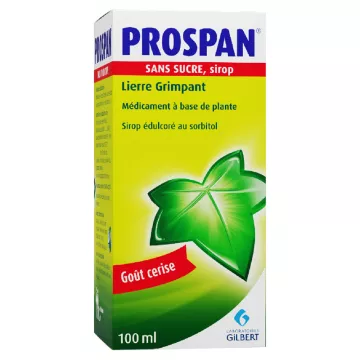
English ivy comes in several forms depending on its intended use. Standardized leaf extract syrup (Prospan and others) is the standard treatment for productive coughs, available at pharmacies. Capsules containing dry extract standardized to hederacoside C offer a pharmaceutical alternative for respiratory health. In cosmetics, slimming creams and gels with ivy extract are available at drugstores. Massage balms and leg gels round out the cosmetic offerings. Some purifying shampoos contain ivy extract to soothe the scalp. Leading brands: Prospan, Boiron, Lehning, Naturactive (respiratory health), Weleda, Cattier, Somatoline (slimming cosmetics). Choose standardized extracts from controlled cultivation.
Climbing ivy requires strict precautions due to its natural toxicity. Fresh leaves should never be consumed or applied as is: they contain saponins and falcarinol, which can irritate the digestive system and the skin. Only standardized pharmaceutical or cosmetic extracts are safe. Ivy berries are toxic and must never be ingested (risk of digestive and neurological disorders). Pregnant or breastfeeding women should avoid ivy as a precaution, as there are insufficient safety studies. Young children should only be given ivy syrup under medical supervision (pediatric formulations with appropriate dosages are available). A 48-hour patch test on the inner elbow is mandatory before any prolonged topical use, as ivy is a known contact allergen. In case of accidental ingestion of leaves or berries, contact a poison control center.
Several criteria help identify a reliable product. For respiratory uses, opt for syrups and extracts standardized to hederacoside C—pharmaceutical-grade products with precise dosages. The Bio AB or Ecocert label guarantees pesticide-free cultivation for cosmetic extracts. Standardization for active ingredients (saponins) must be specified for pharmaceutical extracts. For cosmetic slimming products, check the complete INCI list and choose formulations that combine ivy with other recognized draining active ingredients.Traceable origin (primarily Europe) and the absence of harsh synthetic fragrances are indicators of quality. Appropriate packaging (opaque bottle, airtight tube) preserves the stability of the active ingredients. Avoid non-standardized artisanal products due to the toxicological risk posed by raw leaves.