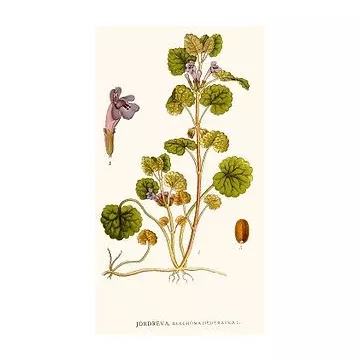
Ivy (Hedera helix L.) is a climbing plant in the Araliaceae family that has been used in herbal medicine since ancient times. Its leaves contain triterpenic saponins (hederacoside C, alpha-hederine), flavonoids, and polyphenols, which make it a leading active ingredient for respiratory health. Its primary application remains in respiratory health, particularly in syrups for treating productive coughs, supplemented by its use in cosmetic products with draining properties. For a detailed overview focused on slimming cosmetics, see also the page on climbing ivy. Since fresh leaves are toxic when ingested, only standardized pharmaceutical extracts are used safely.
Ivy is one of the few herbal respiratory remedies with recognized medical use. The EMA recognizes ivy leaves (Hederae folium) as having a well-established use as an expectorant in the treatment of productive coughs:
For episodes of bronchitis with congestion, these syrups support treatment.
Beyond the syrup, ivy is part of a holistic approach to respiratory comfort during the cold season. Capsules containing a dry extract standardized for hederacoside C offer a dosage form alternative to syrup for those who prefer this format. Combining it with other traditional respiratory herbs (thyme, eucalyptus, white horehound) enhances support for bronchial comfort. Staying well-hydrated and humidifying the air in your home effectively complement the expectorant action. In cases of high fever, shortness of breath, a cough lasting longer than a week, or colored sputum, seek medical attention immediately; ivy should never be used as a substitute for medical advice for severe respiratory conditions.
For external use, ivy is found in certain balms and oils designed to soothe strained muscles. For relief after exercise, mix a few drops of cosmetic ivy extract with a neutral vegetable oil (sweet almond, arnica) and massage the affected areas in circular motions. The massage itself helps release tension and promotes a sense of relaxation. These preparations are for strictly external use only; never apply them to broken skin or mucous membranes. It is recommended to maintain the skin barrier through a gentle skincare routine. A 48-hour patch test on the inner elbow is essential due to the allergenic potential of saponins.
In cosmetics, ivy extract is a valued active ingredient in products targeting cellulite and providing relief for heavy legs. It is found in slimming creams and gels applied with circular massage motions to the thighs, hips, and abdomen, as well as in cooling leg gels that provide a sensation of lightness. It is traditionally combined with other draining plants such as fucus or caffeine in anti-cellulite treatments. Ivy extract is valued for its decongesting cosmetic effect and should be incorporated into a comprehensive approach that includes physical activity and a balanced diet. Some purifying shampoos use it to soothe the scalp and regulate sebum production.
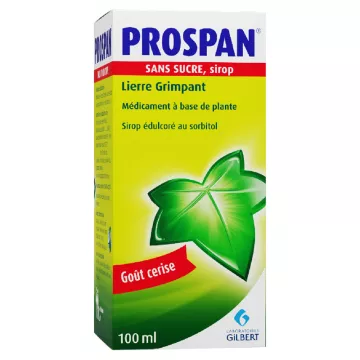
Ivy is available in various forms depending on the intended use. Standardized leaf extract syrup (Prospan and others) remains the go-to medication for productive coughs and is available over the counter at pharmacies. Capsules containing a dry extract standardized to hederacoside C offer an alternative for respiratory health. In cosmetics, slimming creams and gels, as well as leg gels, are available at drugstores. Massage balms sometimes contain ivy extract. Some purifying shampoos use it for the scalp. Leading brands: Prospan, Boiron, Lehning, Naturactive (respiratory health), Weleda, Cattier, Somatoline (cosmetics). Always choose standardized extracts from controlled crops.
Ivy requires strict precautions. Fresh leaves must never be consumed or applied as is: they contain saponins and falcarinol, which can irritate the digestive system and the skin. Only standardized extracts are safe. Ivy berries are toxic and must never be ingested (digestive and neurological disorders). Pregnant or breastfeeding women should avoid ivy as a precaution, as safety studies are lacking. Children under 6 years of age should only be given syrup under medical supervision (appropriate pediatric formulations are available). A 48-hour patch test on the inner elbow is mandatory before any prolonged topical use, as ivy is a known contact allergen. In case of accidental ingestion of leaves or berries, contact a poison control center immediately.
Several criteria help identify a reliable product. For respiratory uses, choose syrups and extracts standardized to pharmaceutical-grade hederacoside C, with precise dosing instructions. The Bio AB or Ecocert certification guarantees pesticide-free cultivation. Standardization for saponins or hederacoside C must be specified to ensure a consistent dosage. For cosmetic use, check the complete INCI list and choose formulations free of parabens and harsh chemical additives.Traceable origin (primarily Europe) is a mark of quality. Appropriate packaging (opaque bottle, airtight tube) preserves the stability of the active ingredients. It is essential to avoid homemade preparations made from raw leaves due to the risk of toxicity.