Constipation in Children: What Is It?
Constipation in children refers to a decrease in the frequency of bowel movements or the passage of hard, dry, and painful stools. In children over 1 year of age, the diagnosis is based on the presence of at least two of the following criteria for one month: fewer than 3 bowel movements per week, more than one episode of painful or hard stools, very bulky stools, voluntary stool retention, or encopresis (overflow incontinence).
Constipation is very common, affecting about 10 to 15 percent of children at some point during their childhood. It is most often functional (without a serious medical cause), related to lifestyle, diet, or psycho-behavioral factors. Early intervention prevents the condition from progressing to chronic constipation, which can sometimes be difficult to treat. Additional resources are available for constipation and infant constipation in general.
What are the main causes?
Several factors can contribute to constipation in children:
- Insufficient fiber intake: a diet low in fruits, vegetables, whole grains, and legumes
- Insufficient hydration, particularly in children who do not drink enough on their own
- Lack of physical activity: a sedentary lifestyle, prolonged screen time, urban living
- A difficulttoilet-training experience leading to intentional withholding
- School-related retention: children who are afraid to use the restroom at school
- Changes in routine: the start of the school year, travel, vacations, moving
- Stress, anxiety, significant family events
- Previousanal fissure that has led to fear of bowel movements (vicious cycle)
- Restrictive diets or emerging eating disorders
- Medications: certain cough suppressants, antihistamines, iron supplements
- Rare medical causes: hypothyroidism, residual cow’s milk protein allergy, celiac disease, digestive malformations
Identifying the primary trigger guides treatment. Simple functional constipation generally responds well to lifestyle and dietary measures. For digestive difficulties in general, specific resources are available.
How can you relieve it on a daily basis?
Management relies on simple but consistent lifestyle and dietary measures:
- Gradually increasing fiber intake
- Adequate hydration throughout the day
- Regular physical activity according to recommendations (at least 60 minutes per day for children, according to the WHO)
- A regular bathroom routine, ideally after meals (gastrocolic reflex)
- Physiological position on the toilet: use a footstool to raise the feet (a flexed posture that promotes bowel movements)
- Allowsufficient time: do not rush the child; allow 5 to 10 minutes
- Gentleabdominal massage in case of discomfort, in a clockwise direction
- A relaxed atmosphere around the toilet (no pressure, no judgment)
- Non-food rewards for young children who are learning (sticker book, encouragement)
Gradual improvement may take several weeks: patience is key. To improve digestion in general, specific resources are available.
Which foods should you prioritize?
Diet plays a central role. Several foods support healthy digestion:
- Fruits rich in fiber and sorbitol: plums, prunes, pears, apples (with skin), kiwis, oranges, apricots, figs
- Green vegetables: spinach, broccoli, green beans, zucchini, peas, assorted lettuces
- Legumes: lentils, chickpeas, white beans, fava beans (well-cooked)
- Whole grains: whole-grain or semi-whole-grain bread, brown rice, whole-grain pasta, rolled oats
- Seeds: ground flaxseed, chia, psyllium (added to yogurt or fruit compotes, for children ages 3 and up)
- Yogurts and fermented milk products containing natural cultures
- High-qualityvegetable oils (canola, walnut, olive) with every meal
Traditional laxative fruits are particularly helpful: prune compote in the morning (50 to 100 g depending on age), diluted prune juice (60–120 ml depending on age), and very ripe pears as a snack. Conversely, limit the following in excess: white rice, very ripe bananas, overcooked carrots, potatoes, ultra-processed foods, simple sugars, and sodas. Specific resources are available for introducing solid foods andfor baby nutrition in general.
How much fluid should you provide?
Adequate hydration is essential for regular bowel movements. Recommended intake varies by age:
- 1 to 3 years: about 1 L/day (water and beverages other than milk)
- 4 to 8 years: about 1.2 to 1.5 L/day
- Ages 9 to 13: 1.5 to 2 L per day
- Teens: 2 L/day
Still water remains the best choice. Mineral waters rich in magnesium (Hépar, Contrex) can be offered occasionally in cases of constipation, particularly in the morning. 100% pure fruit juices in moderate amounts (no more than 1 glass per day) provide fiber and fluids. Limit: sugary sodas, energy drinks, commercially processed juices with added sugars (which promote digestive inflammation), and strong tea, which can be astringent. For magnesium in general, specific resources are available.
Stress, Sleep, and Activity: What Role Do They Play?
Several aspects of lifestyle directly influence bowel regularity:
- Regular physical activity: at least 60 minutes a day according to the WHO for children, ideally outdoors. Walking, biking, outdoor games, team or individual sports
- Stress management: Life changes (back-to-school, moving, separations) can disrupt bowel movements. Listening, conversation, quiet play, breathing exercises, meditation for children, and reading can help
- Quality sleep: 10 to 13 hours for school-age children, 8 to 10 hours for adolescents. Chronic sleep deprivation disrupts digestive motility
- Predictable routine: regular meal and bedtime schedules, establishing a routine for using the restroom
- Reduced screen time: less sedentary behavior, more physical activity
- Open communication about the issue to defuse the situation and prevent the child from avoiding it out of shame
Persistent constipation with no obvious explanation may indicate underlying stress that should be explored with the child. Specific resources are available regarding stress and sleep in children in general.
When to Seek Medical Advice and What Treatments Are Available?
Several situations warrant a medical consultation:
- Constipation lasting longer than 2 to 3 weeks despite lifestyle and dietary changes
- Severe or persistent abdominal pain
- Blood in the stool (bright red or dark red)
- Accompanying vomiting, marked abdominal distension
- Signs of dehydration: dry mouth, lack of tears, infrequent or dark urine
- Stagnant or loss of weight, growth retardation
- Visible anal fissure, perianal sores
- Encopresis (involuntary bowel movements) in a child who is already toilet-trained
- Family history of digestive disorders
- Chronic, recurrent constipation since childhood
- Suspected significant stress
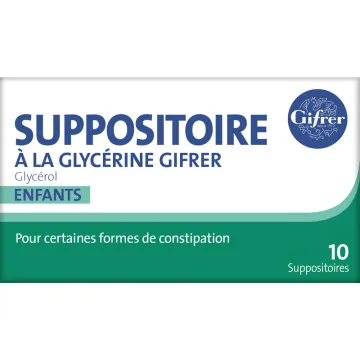
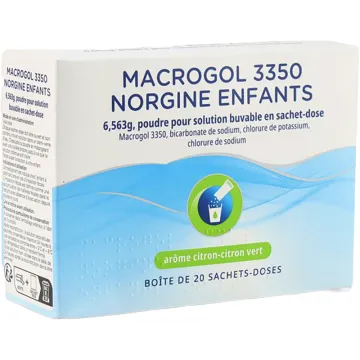
Laxatives for children must be prescribed by a doctor. Pediatric macrogol (PEG) is the gold-standard laxative for functional constipation in children: it is well-tolerated, non-irritating, and non-habit-forming, and can be used for long-term treatment with a prescription. Certain mild herbal laxatives (mallow, marshmallow) may be recommended for occasional self-medication under a pharmacist’s guidance. For mallow in general, specific resources are available.
Stimulant laxatives (senna, bisacodyl, picosulfate) should be avoided for self-medication in children due to the risk of gastrointestinal irritation and dependence. Probiotics can be a useful supplement for a 2- to 4-week course of treatment, as advised by a pharmacist. Your pharmacist remains a valuable resource for providing guidance on daily care and supporting initial steps, in addition to regular pediatric follow-up. Specific resources are available for probiotics in general.