What is chapping, and why does the skin crack?
A chapped area is a painful crack in the skin or mucous membrane that occurs when the stratum corneum becomes too dry and rigid to withstand movement or pressure. Unlike simple skin dryness, a chapped area involves a physical break in the epidermal barrier—exposing the deeper layers and nerve endings, which is why it hurts. The most commonly affected areas are the lips (which lack sebaceous glands), the hands (due to frequent washing), the heels (due to repeated mechanical pressure), and the corners of the mouth. The healing treatments and products for wounds and burns available in the store round out the care regimen.
The skin becomes chapped when two conditions are present: insufficient hydration (dehydrated stratum corneum = loss of elasticity) and mechanical or environmental stress (cold, wind, friction, pressure). Winter cold reduces peripheral blood circulation and slows sebum production, exacerbating dryness. The dry air from indoor heating (humidity often below 20–30% in winter) further dries out the epidermis.
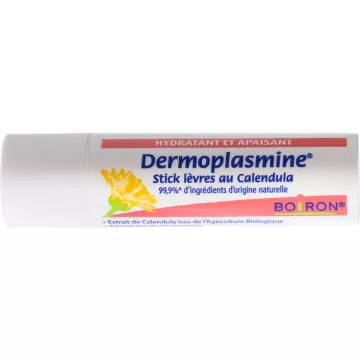
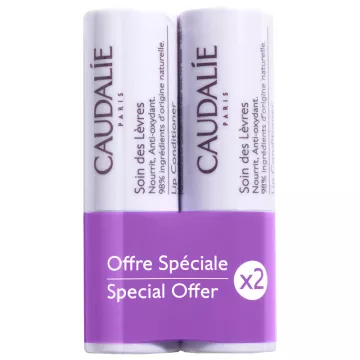
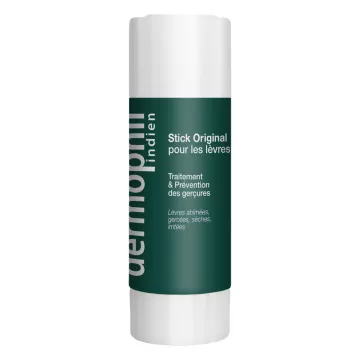
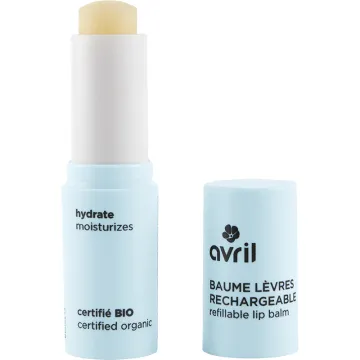
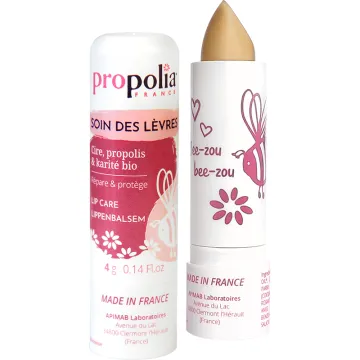
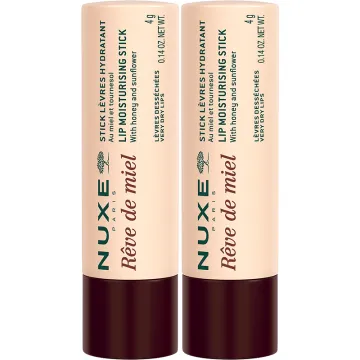
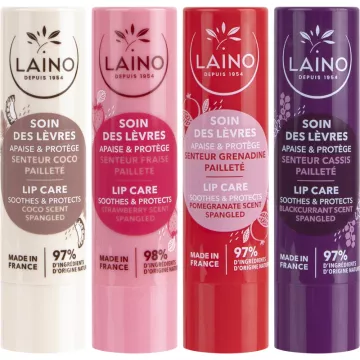
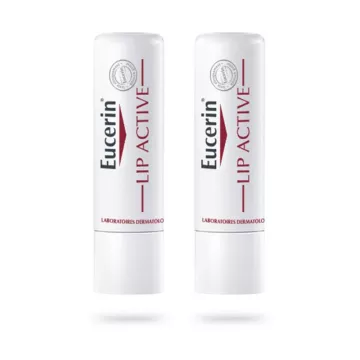
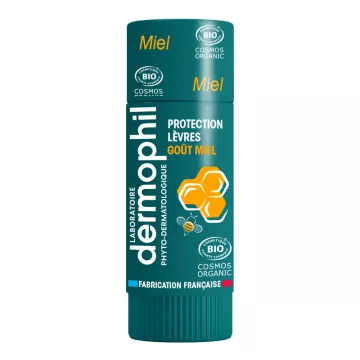
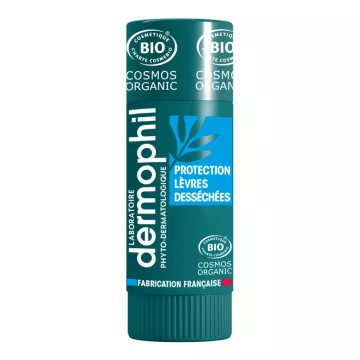
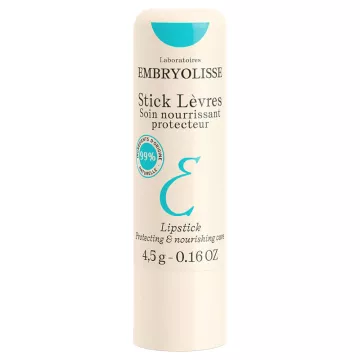
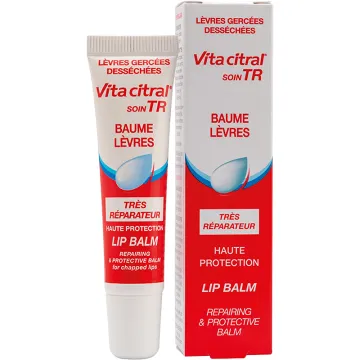
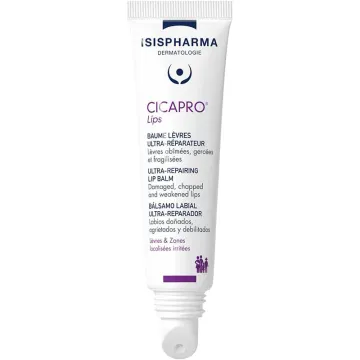
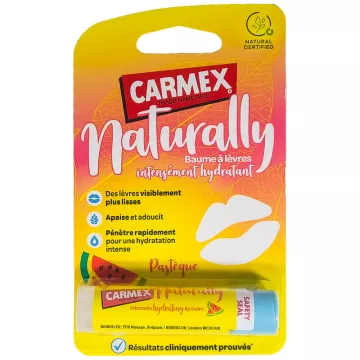
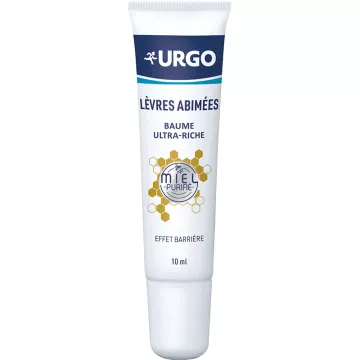
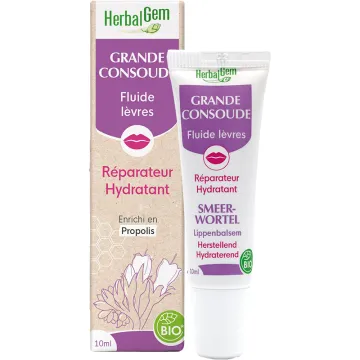
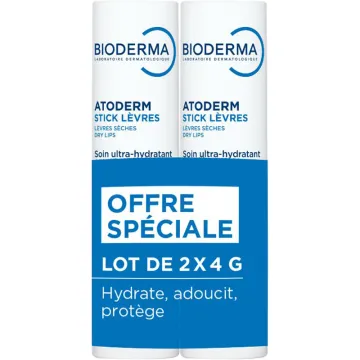
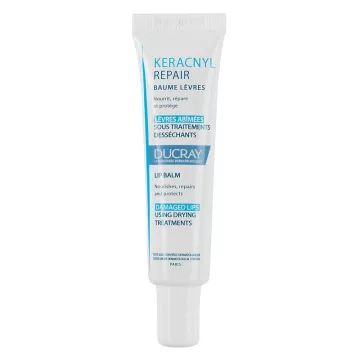
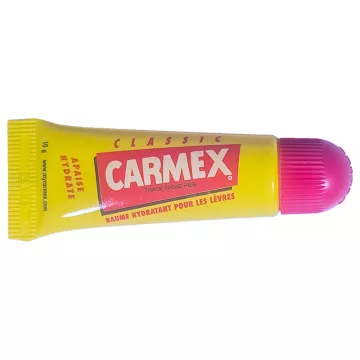
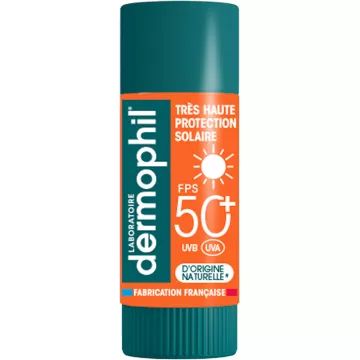
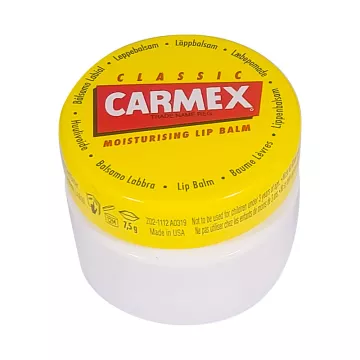
- Chapped lips: mucous membrane lacking sebaceous glands or melanin—very vulnerable—cold, wind, UV rays, repeated licking (enzymatic saliva causes irritation)—see also dry lips and lip balm
- Chapped hands: repeated handwashing (destroyed hydrolipidic film)—wearing gloves (trapped moisture followed by sudden evaporation)—frequent use of alcohol-based disinfectants—exposure to cold
- Chapped heels: mechanical pressure + hyperkeratosis (thickening of the stratum corneum) — worsens if left untreated, leading to deep, bleeding cracks — predisposing factors: diabetes, psoriasis, hypothyroidism
- Cracks at the corners of the mouth (angular cheilitis): cracks at the corners of the mouth — often due to a combination of factors (candidiasis + vitamin B2 or iron deficiency) — persistent and recurrent if the underlying cause is not treated
What treatments can quickly heal a chapped area?
Treatment for a chapped area involves two simultaneous actions: restoring the damaged skin barrier and supporting cellular repair. Dexpanthenol (the active form of provitamin B5) is the gold-standard healing agent for skin and mucous membranes: it stimulates keratinocyte proliferation, accelerates re-epithelialization, and has anti-inflammatory properties—it is the active ingredient in Bépanthène and equivalent repair creams. Petrolatum provides maximum occlusion, protecting the fissure from external irritants while maintaining a moist environment conducive to healing.
- Basic protocol: gently clean the area—apply a thick layer of dexpanthenol cream or petroleum jelly—cover if possible (hydrocolloid dressing for heels, cotton gloves at night for hands)—reapply 3 to 4 times a day—nighttime is the most effective time for repair
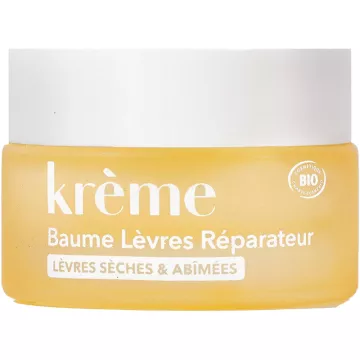
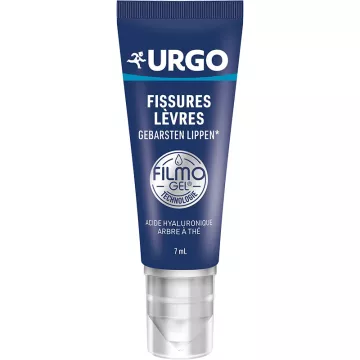
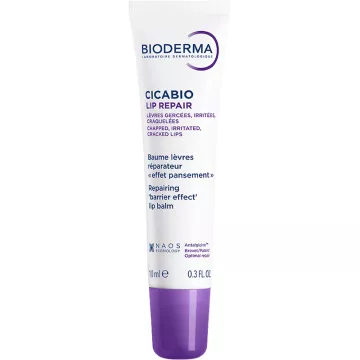
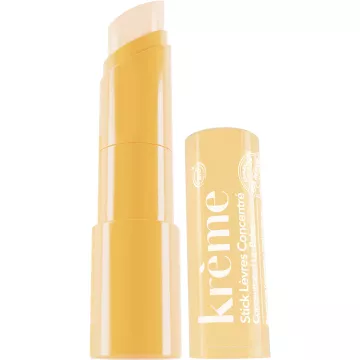
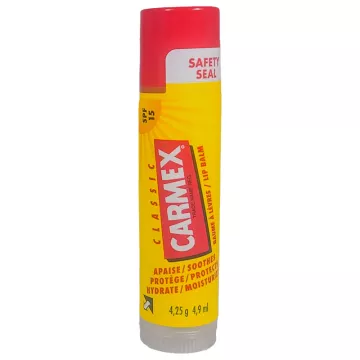
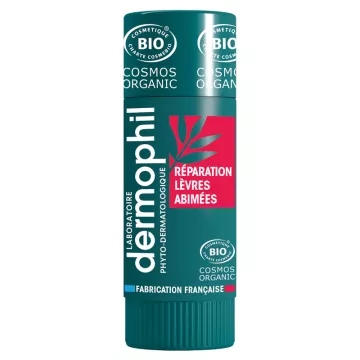
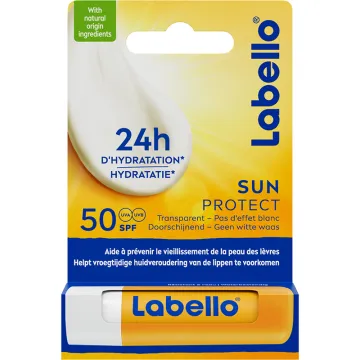
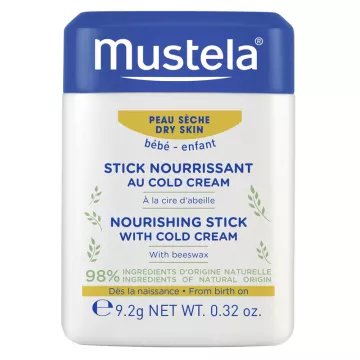
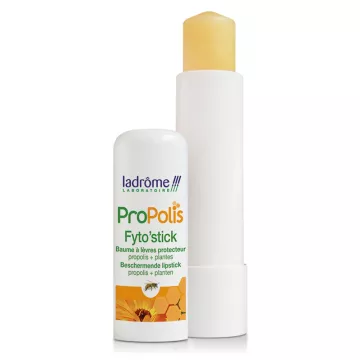
- Chapped lips: concentrated lip balm with dexpanthenol or lanolin—apply a thick layer in the evening—use a protective lip balm during the day—do not lick
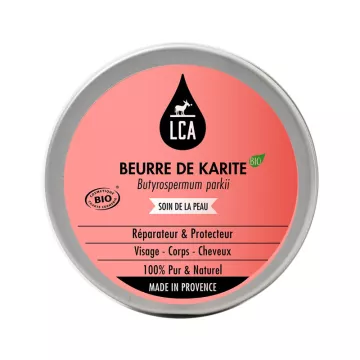
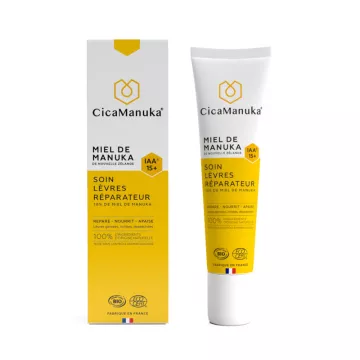
- Complementary natural remedies: Manuka honey (MGO ≥ 250) — natural antibacterial and humectant — apply to the crack for 10 minutes — virgin coconut oil — light occlusive film + lauric and capric fatty acids with antimicrobial properties — pure aloe vera gel — soothes and heals superficial cracks
- Diet and Supplements: Vitamin E (maintains cell membrane integrity) — omega-3s from fatty fish (anti-inflammatory, reduce systemic skin dryness) — vitamins A, B2, and C — zinc (a cofactor in wound healing)
How can you prevent chapped skin and prevent it from recurring?
Preventing chapped skin relies on regularly moisturizing the skin before dryness progresses to the point of cracking. The rule is simple: apply a rich emollient before the skin becomes dry—not after. In winter, increasing indoor humidity with a humidifier (target 40–60%) effectively protects the skin and mucous membranes. Wearing gloves outdoors protects the hands from wind and cold. Avoid excessive washing with harsh soaps and replace them with ultra-moisturizing bars or soap-free cleansers to preserve the hydrolipidic film.
- Cosmetic products to avoid that can aggravate the condition: long-lasting lipsticks without moisturizing ingredients (which draw moisture from the lips), camphor and eucalyptus in balms (irritants), and alcohol in hand care products (repeated use of hand sanitizers = work-related chapping)
- Seasonal chapped skin: Start your preventive routine before winter—beginning in October, apply a rich body moisturizer after showering, a nourishing lip balm morning and night, and a protective hand cream after each time you wash your hands
When does chapped skin become a medical emergency?
Most chapped skin heals within 5 to 10 days with proper care. However, certain signs warrant a medical consultation: a crack that bleeds heavily or does not heal after 2 weeks, signs of bacterial infection (extensive redness, warmth, pus, fever), recurrent chapped lips despite treatment (check for an underlying cause: diabetes, psoriasis, nutritional deficiency), persistent angular cheilitis (patch test for contact allergy, assessment for deficiencies).
- Infection to watch for: an unprotected crack is a gateway for bacteria (Staphylococcus aureus) and yeasts (Candida)—increasing pain, swelling, or pus require a medical consultation— infected wounds require specific treatment
- Risk factors: diabetes (impaired wound healing—any crack that does not heal should be reported to a doctor), immunosuppression, older adults (slowed cell turnover)
- For the treatment of fiss ures and superficial wounds, the dedicated product line is available in the store