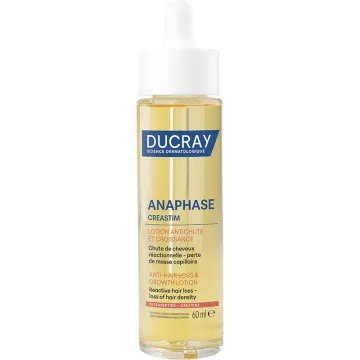
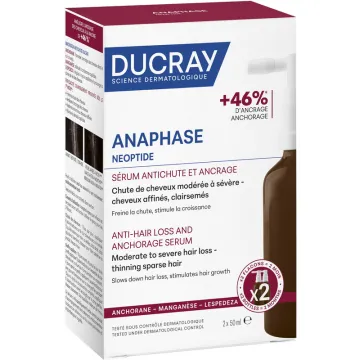
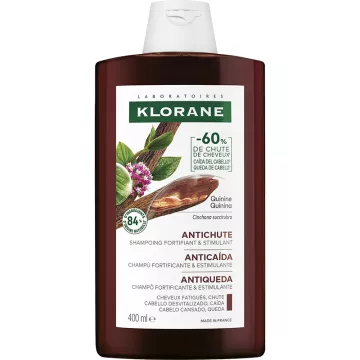
What is hair fragility, and how does it manifest itself?
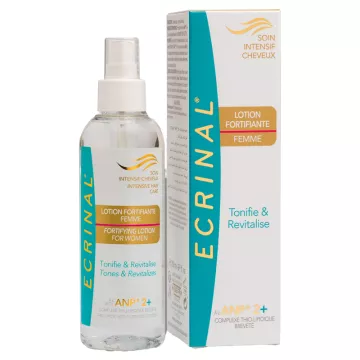
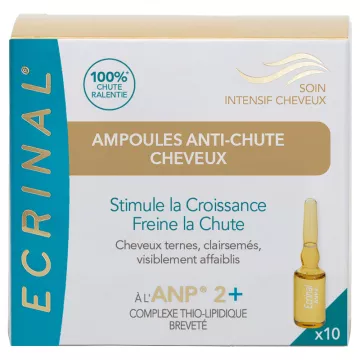
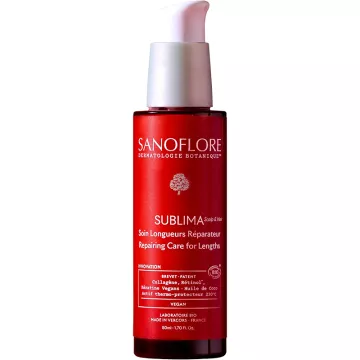
Hair fragility refers to a deterioration of the hair shaft’s internal structure that makes hair prone to breakage, frizz, and split ends. The hair fiber is composed of keratin (a fibrous protein), intercellular lipids, and a protective outer cuticle—when these three components are compromised, the hair loses its elasticity and mechanical strength. Strengthening hair care products are available in thehair care line, and hair oils are available in the hair oil line at the store.
- Signs of fragility: dull, lifeless hair—breakage midway down the length—split ends—rough texture to the touch (raised cuticle)—loss of volume and elasticity—see treatments for damaged hair
- Structural causes: chemical treatments (coloring, bleaching, perms, straightening) — alter the disulfide bonds in keratin and oxidize melanin — excessive heat (hair dryers > 180 °C, straightening irons, curling irons) — irreversibly denatures keratin at temperatures above 230 °C — exposure to UV rays, chlorinated water, and seawater (photooxidation and drying)
- Nutritional causes: protein deficiencies (keratin = 90% protein) — biotin (vitamin B8) deficiency, zinc, iron, and vitamin B5 (pantothenic acid) — strict low-calorie diets — chronic stress (cortisol impairs follicular blood flow)
What active ingredients and topical treatments can strengthen fragile hair?
- Hydrolyzed keratin: a structural protein of the hair shaft—used in masks, conditioner, or serum — fills gaps in the cuticle and smooths the surface — improves elasticity and reduces breakage — use with a sulfate-free product to avoid immediately washing away the treatment
- Argan oil: unsaturated fatty acids (omega-9, linoleic) and vitamin E—restores intercellular lipids in the hair cortex—use as a pre-shampoo mask (15 to 30 min) or as a finishing serum on the ends—non-comedogenic, lightweight, suitable for all hair types
- Coconut oil: lauric acid that penetrates the hair shaft (unlike most oils) — reduces protein loss during washing (Rele & Mohile study) — as a pre-shampoo mask for 30 minutes to 1 hour — use sparingly on fine hair
- Shea butter: unsaponifiables (vitamins A and E) and fatty acids — forms an occlusive film that locks moisture into the hair fiber — ideal for thick and very dry hair — use as a rich mask once a week
- Plant proteins (soy, wheat, silk): in a conditioner or leave-in mask — temporary repair of the hair’s surface — combine with a moisturizer to avoid excessive stiffness (protein overload)
What diet and hair care routine can help prevent brittleness?
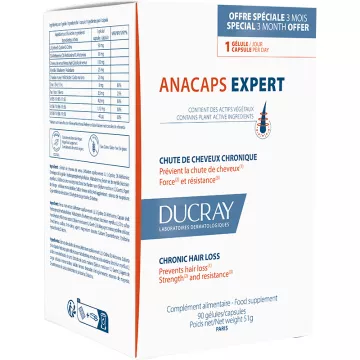
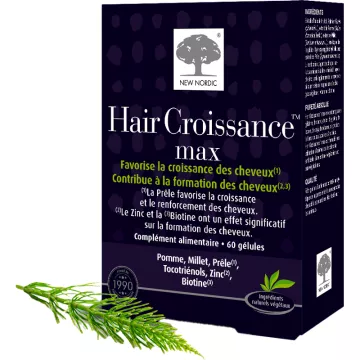
- Zinc: a cofactor in keratinization and hair protein synthesis—deficiency is associated with brittle hair and increased hair loss—sources (oysters, red meat, legumes)—supplementation: 10 to 15 mg/day
- Vitamin B5 (pantothenic acid): supports keratinogenesis and hair fiber strength — found in yeast, organ meats, and legumes — available as a dietary supplement or topical treatment (dexpanthenol)
- Omega-3 EPA-DHA: maintains membrane fluidity in hair follicle cells — reduces peri-follicular inflammation — eat fatty fish twice a week or take a supplement of 2 to 3 g/day
- Preventive routine: Use a heat protectant before using any heated styling tools—air-dry or blow-dry at a low temperature (< 60 °C)—detangle damp hair with a wide-tooth comb (from the ends toward the roots) — trim split ends every 6 to 8 weeks — use a sulfate-free shampoo on fragile lengths — see treatments for brittle hair